Malaysia's government has issued a fresh appeal for the nation to preserve humanitarian principles while engaging with complex legal questions surrounding the Rohingya population living within its borders, particularly as public discourse and media coverage of the community have grown increasingly prominent in recent months.
The call for equilibrium between statutory obligations and compassionate treatment comes amid a backdrop of heightened public attention and increasingly polarized sentiment regarding Rohingya residents in Malaysia. Officials acknowledge that managing a displaced population of international significance requires navigating the delicate intersection of rule of law and fundamental human values—a tension that has become more apparent as societal views have shifted.
The Rohingya crisis represents one of the region's most significant humanitarian challenges. Myanmar's military campaign in Rakhine State beginning in 2017 displaced nearly one million people, with substantial numbers seeking refuge across Southeast Asia. Malaysia has become one of the primary destinations, hosting one of the world's largest Rohingya populations outside refugee camps in Cox's Bazar, Bangladesh. This concentration has created substantial social, economic, and administrative pressures on Malaysian communities and institutions.
Government messaging now emphasizes that the nation's approach cannot be reduced to either pure enforcement mechanisms or unconditional acceptance. Rather, policymakers suggest that Malaysia's international standing and self-identity depend upon demonstrating that security considerations, border integrity, and resource allocation can coexist with recognition of human dignity and refugee protection principles. This framing attempts to address concerns from multiple constituencies—those prioritizing national security and labor market protection, alongside advocates for vulnerable populations.
The political context in Malaysia complicates this balancing act considerably. Economic anxieties among Malaysian citizens, particularly regarding employment competition and access to subsidized services, have fueled concerns about the Rohingya presence. Simultaneously, Malaysia has international legal commitments under the United Nations Convention Against Torture and customary international humanitarian law, despite not being a signatory to the 1951 Refugee Convention. These dual pressures—domestic and international—leave policymakers in an awkward position.
Public sentiment toward the Rohingya has shown volatility, influenced by media narratives, economic conditions, and political discourse. Recurring incidents involving Rohingya individuals have attracted significant media attention, sometimes amplifying fears about security or social cohesion. Conversely, reporting on conditions within Rohingya communities has highlighted desperate circumstances, including limited access to education, healthcare, and formal employment. This competing information environment means that public understanding remains fragmented and contestable.
The government's emphasis on compassion reflects awareness that unrestricted crackdowns or punitive policies carry reputational costs internationally and moral implications domestically. Malaysia presents itself as a moderate Muslim-majority nation committed to humanitarian values, a self-image that Rohingya policy directly affects. Deportations or aggressive enforcement actions generate condemnation from international human rights organizations and strain diplomatic relationships, particularly with countries and institutions Malaysia seeks to engage with globally.
Yet officials also recognize that unlimited tolerance creates genuine challenges. Undocumented Rohingya compete for informal employment opportunities, potentially depressing wages for marginal Malaysian workers. Educational infrastructure in areas with high Rohingya concentration faces strain. Law enforcement agencies worry about irregular status creating vulnerability to trafficking, radicalization, or criminal exploitation. These practical concerns shape policy options and constrain what purely humanitarian responses can achieve.
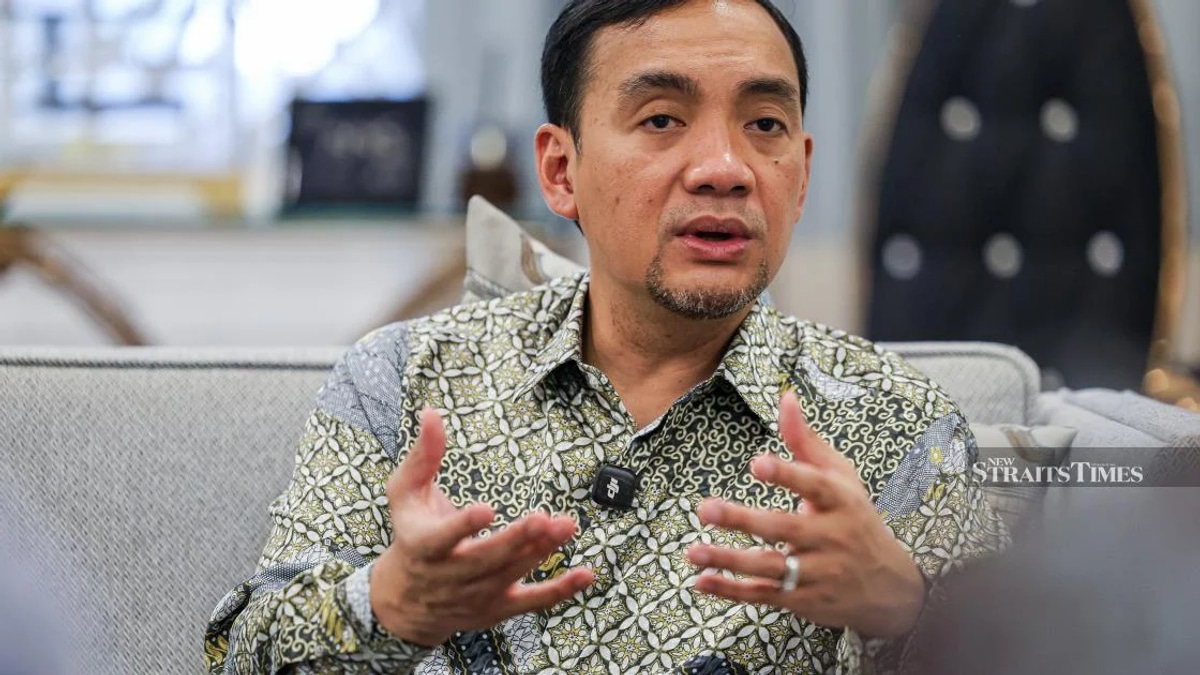
The minister's intervention suggests the government intends to shape public discourse around this issue, seeking to prevent further polarization while avoiding a perception of either neglecting Malaysian citizens' legitimate concerns or abandoning vulnerable refugees. This requires sophisticated communication that acknowledges competing values without appearing to dismiss either group's interests—a notoriously difficult political needle to thread.
Longer-term solutions remain elusive. Myanmar's political situation shows no signs of stabilizing, making repatriation unfeasible in the foreseeable future. Third-country resettlement programs, while aspirational, proceed glacially. Malaysia itself lacks the institutional capacity and financial resources to indefinitely manage a population of over 180,000 stateless people. This structural impasse means that temporary, ad hoc approaches will likely persist, leaving the Rohingya in a state of perpetual limbo and sustaining the political tensions the minister now seeks to moderate.
For Malaysian policymakers, the Rohingya question has become a proxy for broader questions about national identity, international obligation, and domestic capacity. Whether the government can genuinely maintain equilibrium between legal frameworks and humanitarian values, or whether these remain fundamentally irreconcilable, will shape both the lived reality of Rohingya in Malaysia and Malaysia's global standing as the region confronts its most intractable humanitarian challenge.