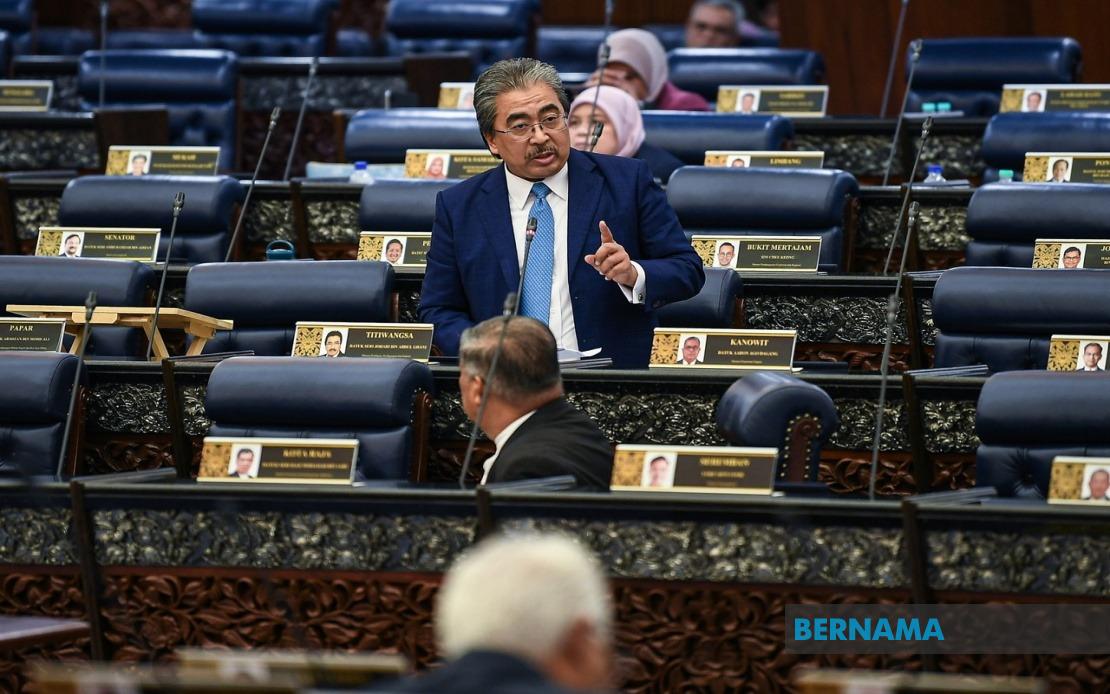
Malaysia is moving decisively to establish a framework for blocking imports produced through forced labour, marking a significant step toward compliance with international trade standards and responding to mounting pressure from the United States. Investment, Trade and Industry Minister Datuk Seri Johari Abdul Ghani announced the development during parliamentary proceedings, signalling that the government recognises the urgency of addressing this issue before facing potential economic consequences.
The Malaysian government has created an Inter-Agency Task Force on Forced Labour, anchored within the Ministry of Investment, Trade and Industry, tasked with studying and developing the necessary legal and operational mechanisms. This coordination reflects the complexity of the challenge, which spans multiple government functions including customs enforcement, border protection, and human resources oversight. The breadth of participation underscores how forced labour compliance cuts across traditional departmental boundaries.
Participating agencies in the task force include the Ministry of Finance, Ministry of Foreign Affairs, Ministry of Home Affairs, Ministry of Human Resources, and Ministry of Transport, alongside specialised bodies such as the Attorney-General's Chambers, Royal Malaysian Customs Department, Malaysian Border Control and Protection Agency, Royal Malaysian Police, Malaysian Investment Development Authority, and Malaysian External Trade Development Corporation. This comprehensive institutional approach suggests the government is treating forced labour enforcement as a priority requiring coordinated action across multiple enforcement and regulatory domains.
Currently, Malaysia operates without specific legislation or mechanisms to prevent the importation of goods manufactured using forced labour, a gap that has left the country vulnerable to international scrutiny. This legislative void places Malaysian traders at a disadvantage compared to countries with established safeguards, and exposes the nation to reputational and economic risks in an increasingly ethically-conscious global marketplace. The absence of such protections has become untenable given heightened awareness of labour exploitation in global supply chains.
The timing of this initiative is driven substantially by American trade pressure. The United States concluded preliminary investigations on June 2 covering 60 countries regarding their enforcement of forced labour import restrictions. Malaysia was identified among 54 nations lacking specific legal restrictions on goods produced under such conditions, distinguishing it from the six countries that possess legislation but fail to enforce it adequately. This classification places Malaysia in the larger category of countries requiring foundational legal architecture rather than mere enforcement improvements.
More pressingly, the US has indicated intentions to impose a 10 per cent indicative tariff on Malaysian goods after July 24 in response to forced labour concerns. This mechanism operates under Section 301 of American trade law, which permits the United States to take unilateral action against countries deemed to be engaging in unfair trade practices. For Malaysian exporters, particularly those in labour-intensive sectors, this potential tariff represents a tangible economic threat that could disrupt trade flows and elevate costs for American importers of Malaysian products.
The Section 301 investigation encompasses two separate but related tracks. The forced labour investigation is nearing completion, while a parallel investigation into market access issues remains ongoing. Johari confirmed that the forced labour component of the inquiry is almost finalised, explaining the imminence of the tariff announcement. The market access investigation, however, continues to develop and may yet generate additional trade friction if Malaysia is found wanting in opening its markets according to American expectations.
For Malaysian policymakers and business leaders, this scenario presents both risk and opportunity. The risk is immediate: a 10 per cent tariff on exports to the United States would increase costs for importers and potentially reduce demand for Malaysian goods, affecting employment and government revenues. However, implementing a robust forced labour import ban mechanism could serve as a preventative measure, potentially persuading the US to moderate or withdraw tariff threats if Malaysia demonstrates credible commitment to labour standards compliance.
The forced labour issue resonates particularly within Malaysia's manufacturing and agricultural sectors, where labour-intensive production dominates. These industries depend heavily on both domestic and migrant workers, making them vulnerable to exploitation claims. Implementation of stricter import controls could simultaneously create incentives for Malaysian producers to audit their own supply chains and labour practices, improving conditions for workers while enhancing the country's international reputation for responsible commerce.
The development also reflects a broader evolution in global trade governance. Labour standards, environmental protection, and human rights considerations increasingly shape trade relationships, moving beyond traditional tariff and quota disputes. For Malaysia and other Southeast Asian nations, adapting to this new trade paradigm requires not merely reactive compliance but proactive leadership in establishing credible enforcement mechanisms that convince international partners of genuine commitment.
Regional implications extend beyond Malaysia. Other Southeast Asian economies face similar scrutiny regarding labour practices and forced labour risks in their supply chains. Malaysia's approach to establishing mechanisms and coordinating across government agencies could serve as a reference point for neighbouring countries confronting identical challenges. The region's collective response to labour standards in trade will significantly influence its competitive positioning in the coming years.
The establishment of this task force represents a pragmatic acknowledgement that geopolitical and economic realities demand action. Rather than waiting for tariffs to be imposed, Malaysia is attempting to demonstrate proactive governance and willingness to align with international labour protection norms. Success will depend on whether the inter-agency mechanism produces enforceable legislation, adequate resources for implementation, and meaningful consequences for violations that convince both American authorities and international observers of its credibility.