Parliament has taken a significant step in professionalising Malaysia's social work sector with the tabling of the Social Work Profession Bill 2026, a development that industry leaders view as overdue recognition for thousands of practitioners working across government and non-government organisations nationwide. The Malaysian Association of Social Workers (MASW) has hailed the legislative move as a transformative moment for a profession that has long operated without formal statutory oversight or regulated standards, despite its critical role in supporting vulnerable populations and strengthening community resilience.
The timing of the bill reflects more than a decade of coordinated advocacy and technical work within the social work community. Development of the proposed legislation began in 2010, with the Malaysian Association of Social Workers working alongside social work educators, government practitioners, and non-government sector representatives to craft a framework that addresses both professional needs and public expectations. This extended gestation period underscores the complexity of establishing comprehensive regulatory mechanisms for a profession spanning multiple sectors and operational contexts.
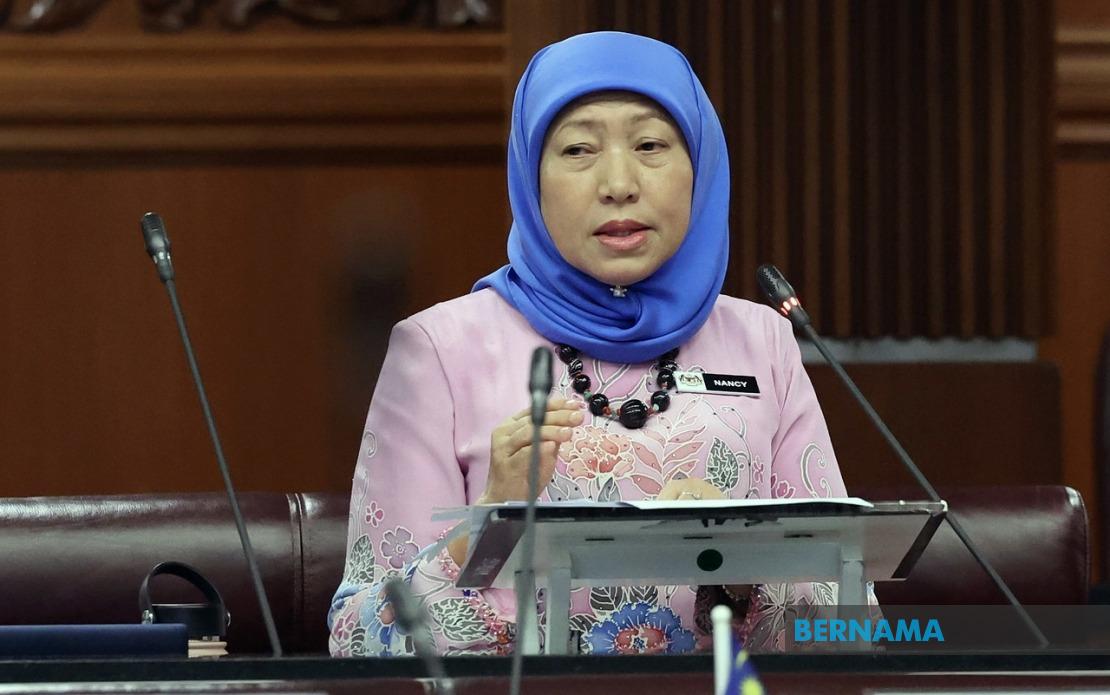
Women, Family and Community Development Minister Datuk Seri Nancy Shukri has emerged as a key champion of the initiative, with MASW acknowledging the ministry's consistent backing throughout the legislative development process. The bill's progression to Parliament reflects cabinet-level commitment to elevating social work as a recognised profession worthy of legal protection and professional standards. For Malaysian social workers, this represents validation that their expertise in addressing individual, family and community wellbeing warrants the same professional safeguards afforded to regulated professions such as medicine, law and nursing.
The legislative framework carries significance beyond Malaysia's borders. MASW has positioned the bill as an alignment mechanism with international best practices and regional commitments, specifically referencing the Ha Noi Declaration on Strengthening Social Work towards a Cohesive and Responsive ASEAN Community adopted in 2020. The bill also commits Malaysia to implementation of the Global Standards for Social Work Education and Training established jointly by the International Association of Schools of Social Work and the International Federation of Social Workers. This internationalisation element matters particularly for Southeast Asia, where social work capacity remains unevenly distributed across member states and where regional cooperation in addressing transnational social challenges continues to strengthen.
Dr Teoh Ai Hua, MASW president, has framed the bill as fundamentally about ensuring that Malaysia's approach to protecting the wellbeing and dignity of its citizens depends upon a competent, ethical and formally recognised social work workforce. This framing connects professional regulation to broader national objectives around social protection, positioning social workers not as peripheral service providers but as essential contributors to the nation's social infrastructure. The language used by MASW leadership suggests recognition that professionalisation serves public interest as much as it serves the profession itself.
Implementation of the legislation will depend substantially upon parliamentary support and engagement with the bill's substantive provisions. MASW honorary secretary Amy Bala has called upon Members of Parliament to approach deliberations constructively, suggesting that the association expects legislative scrutiny and refinement before final passage. This invitation to parliamentary engagement indicates that MASW views the tabling as the beginning of a legislative process rather than its conclusion, acknowledging that elected representatives may identify areas requiring strengthening or clarification.
Resource allocation will prove critical to the bill's practical effectiveness once enacted. Social work in Malaysia operates across diverse settings including child protection agencies, medical institutions, correctional facilities, community centres and non-government organisations. Ensuring consistent professional standards and ethical practices across these varied operational contexts will require adequate funding, training infrastructure, and regulatory capacity. Amy Bala's emphasis on adequate resources and transparency acknowledges that legislative recognition without corresponding investment would represent incomplete professionalisation.
The bill addresses a significant gap in Malaysia's regulatory framework. Unlike health professionals, engineers, architects and other regulated professions, social workers have historically lacked a statutory body with authority to set standards, assess qualifications, manage complaints and discipline practitioners. This regulatory vacuum has meant that professional standards have depended upon voluntary adherence to MASW guidelines rather than enforceable legal requirements. The new bill promises to change this equation by establishing formal accountability mechanisms.
For Malaysian social workers, professionalisation through legislation offers tangible benefits beyond symbolic recognition. Statutory regulation typically provides legal protection for practitioners exercising professional judgment within established ethical frameworks, clearer career pathways and salary expectations, and mechanisms for defending the profession against misuse of the social worker title by unqualified individuals. These practical advantages explain why MASW has invested substantial effort in advancing the legislation over more than a decade.
The regional context adds another dimension to the bill's significance. Social work capacity in Southeast Asia remains concentrated in certain countries and remains underdeveloped in others. Malaysia's move to formally professionalise its social work sector potentially influences neighbouring countries' approaches to the profession and may contribute to regional conversations about social work standards and cross-border collaboration. For Malaysian readers, the bill reflects both domestic commitment to social protection and participation in emerging regional frameworks for addressing social challenges.
Parliamentary approval of the bill would establish Malaysia among the growing number of countries with comprehensive social work legislation. Such legislation typically includes provisions for professional registration, continuing education requirements, ethical codes enforceable through disciplinary processes, and mechanisms ensuring public accountability. The bill therefore represents convergence between Malaysian regulatory thinking and international standards development in the social work field.
MASW's undertaking to support implementation once the bill receives parliamentary approval suggests that the profession's leadership recognises responsibilities extending beyond advocacy. Translating legislative provisions into effective practice requires professional body capacity to develop detailed standards, manage registration systems, conduct competency assessments and handle complaints. The association's readiness commitment indicates realistic understanding of the work required to make professionalisation meaningful.
Looking forward, the bill's passage would likely spur broader conversation within Malaysia about social work's role in addressing emerging social challenges including mental health, substance abuse, family violence and child protection. Formal professional recognition may enhance social work's influence in policy development and resource allocation decisions, potentially elevating the profession's voice in national conversations about social protection priorities and strategies. For Malaysians seeking social services, professionalisation should ultimately translate to higher standards of practice and stronger ethical accountability among practitioners serving their communities.

