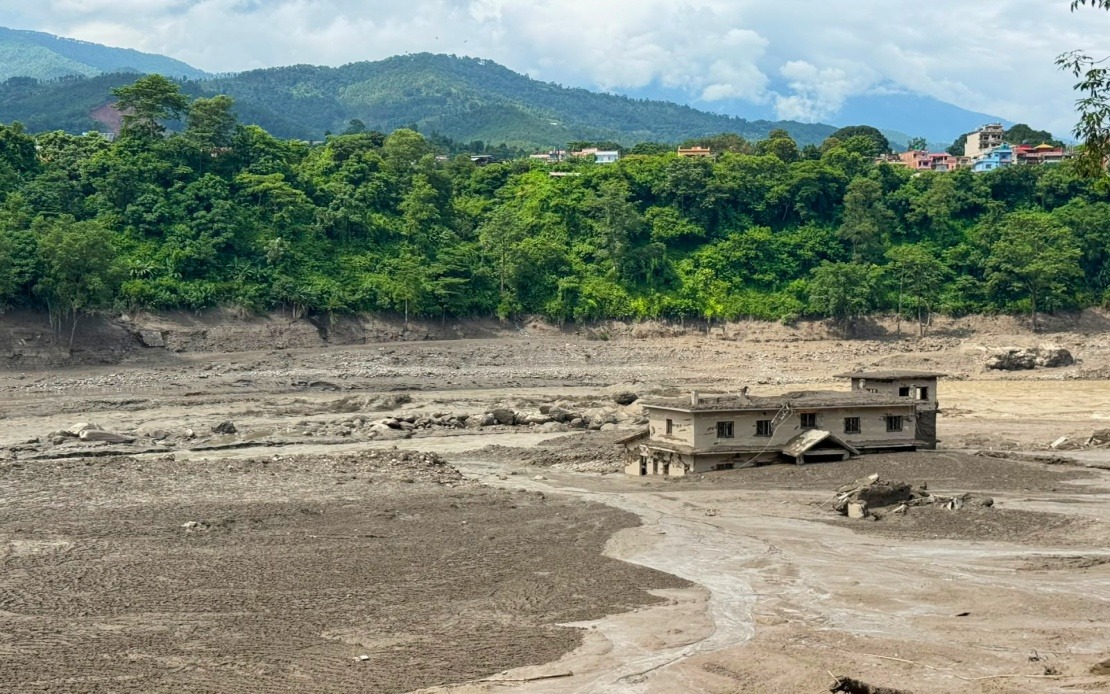
Prime Minister Datuk Seri Anwar Ibrahim has expressed grave concern following devastating flash floods in Rasuwa district, Nepal, with particular urgency surrounding 54 Malaysian nationals who remain beyond reach of authorities. The government has confirmed that search and coordination efforts are underway across multiple diplomatic channels to account for and extract the missing citizens from the affected region.
The Malaysian Embassy in Kathmandu is spearheading contact attempts with Nepalese authorities and local agencies on the ground. In a significant operational deployment, staff from the Malaysian High Commission in Dhaka, Bangladesh, have been mobilised to supplement coordination efforts and provide additional logistical support to the mission. This multi-country deployment underscores the severity with which the Malaysian government is treating the situation and reflects the complexity of conducting search operations in a disaster zone with severely compromised infrastructure.
Anwar highlighted that the Foreign Ministry had informed him of the communication blackout affecting the 54 Malaysians, prompting the executive decision to treat the matter as a priority concern. The Prime Minister has committed the MADANI Government to maintaining close surveillance of developments and deploying all available resources to safeguard the welfare of affected nationals. His public acknowledgment of the crisis and personal intervention signal the political significance placed on managing this transnational emergency.
The catastrophic event originated from intense rainfall combined with glacier instability along the Bhote Koshi River, which straddles the Nepal-Tibet border region. The dual cause of the disaster—heavy precipitation and glacial landslides—indicates the vulnerability of high-altitude settlements to compound natural hazards increasingly triggered by environmental stress. The resulting infrastructure collapse has severely hampered rescue coordination and movement of survivors, creating a time-sensitive situation for missing persons.
Communication infrastructure in the affected Rasuwa district has been devastated, rendering traditional contact methods unusable for most residents and visitors. Simultaneously, the primary highway connecting the disaster zone to Kathmandu has been rendered impassable, effectively isolating survivors and complicating evacuation logistics. This physical and technological isolation explains why Malaysia's Foreign Ministry has resorted to indirect coordination through Nepal's national authorities rather than direct contact with Malaysian citizens.
For Malaysian citizens caught in disaster zones abroad, the response from Kuala Lumpur demonstrates the protocols engaged when nationals face life-threatening situations beyond Malaysia's territorial jurisdiction. The involvement of multiple diplomatic posts indicates that Malaysia treats such crises as requiring coordinated regional response architecture rather than isolated embassy action. The deployment of Bangladesh-based personnel suggests that established ASEAN diplomatic networks are being leveraged to enhance operational capability.
Anwar's appeal for collective prayer reflects both the humanitarian gravity of the situation and Malaysia's Muslim-majority society's customary response to national crises. The invocation of "Insya-Allah" in his official statement grounds the government's technical efforts within a cultural and spiritual context that resonates with domestic public sentiment. This framing also establishes a narrative in which governmental action and collective faith work in concert toward positive resolution.
The incident carries broader implications for Malaysian tourism and travel patterns to Nepal, particularly among adventure tourists and trekkers attracted to the Himalayan region. The Rasuwa district, positioned along historic trade and trekking routes, may attract Malaysian visitors during certain seasons. The disaster highlights vulnerabilities in high-altitude tourism destinations and may prompt Malaysia's Foreign Ministry to issue updated travel advisories for Nepal and similar mountainous regions.
From a regional perspective, this episode demonstrates the interdependence of South Asian nations in managing transnational humanitarian crises. Nepal's disaster response capacity depends significantly on international coordination and external resources, while Malaysia's ability to assist its citizens relies on effective partnership with Nepalese authorities. The incident reinforces why ASEAN nations maintain diplomatic infrastructure across South Asia despite the geographical distance.
The search operation's success will depend partly on whether communication can be restored sufficiently to allow missing persons to signal their location, and partly on whether Nepalese rescue teams can access the isolated zone. Malaysian authorities are essentially dependent on Nepal's domestic emergency response capacity while providing diplomatic pressure and logistical support from Kathmandu. This dependency relationship is typical for Malaysian citizens experiencing crises in developing nations with limited infrastructure.
The government's continued commitment to monitor developments indicates an expectation that the situation may evolve over coming days as rescue operations progress. Initial contact with some of the 54 missing Malaysians could lead to rapid updates on their status, while others may remain isolated for extended periods depending on terrain accessibility and rescue prioritisation. Malaysia's strategic positioning of diplomatic personnel across Bangladesh and Nepal suggests preparation for a potentially prolonged operation.
As information emerges from the disaster zone, Malaysian officials will balance transparency with operational security considerations. Public communication about the search effort must simultaneously manage domestic expectations, support rescue operations, and maintain diplomatic coordination with Nepalese authorities. The Prime Minister's direct involvement ensures that foreign policy considerations surrounding this humanitarian crisis will be handled at the highest governmental levels.

