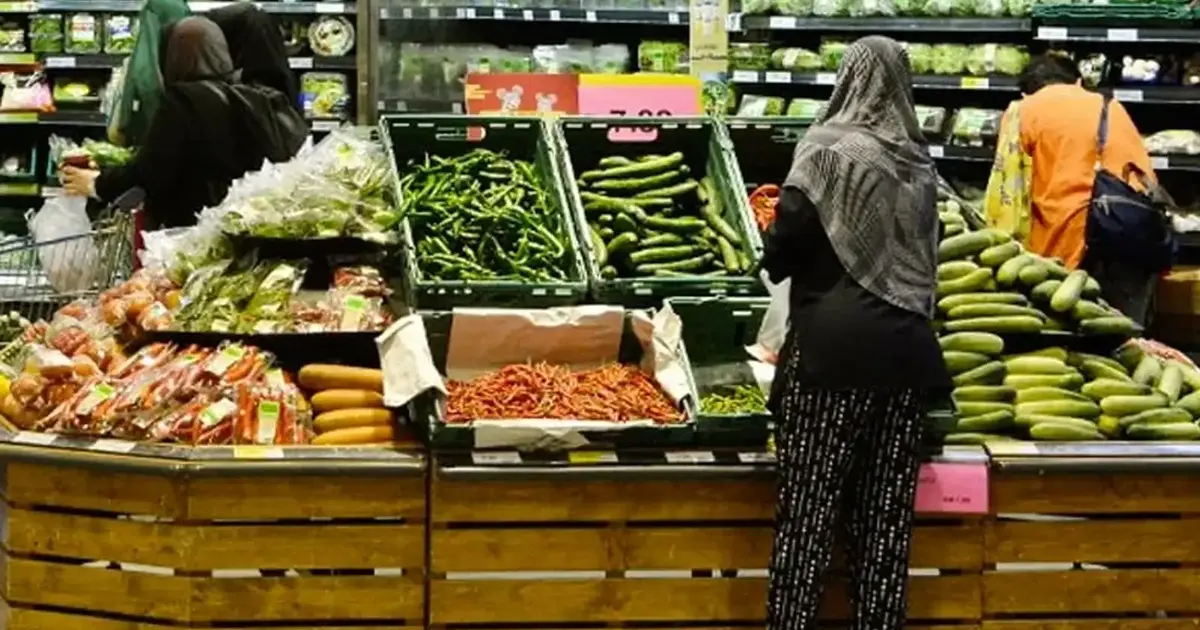
Deputy Prime Minister Ahmad Zahid Hamidi has flagged a potential expansion of the SARA aid scheme to encompass fresh vegetables and fruits, addressing mounting public concern over food affordability across Malaysia. The proposal represents a significant shift in the government's approach to managing household expenses and will be forwarded to the National Action Council on Cost of Living for formal assessment.
The Strategic Resource Allocation for Assistance (SARA) programme currently targets essential food items and basic necessities, with an emphasis on protecting lower-income households from price volatility. By extending the subsidy mechanism to fresh produce—a staple of Malaysian diets and a growing budget item for families—the administration aims to deliver more comprehensive relief at the point where citizens feel price pressures most acutely. Fresh vegetables and fruits have experienced notable price fluctuations in recent months, driven by supply chain disruptions, seasonal variations, and input cost inflation.
The timing of this proposal reflects broader economic anxieties within the nation. Malaysia's inflation rate, particularly in food categories, has prompted sustained calls from civil society and opposition lawmakers for stronger government intervention. Citizens in urban and rural areas alike have reported that weekly grocery bills have become increasingly burdensome, prompting households to adjust dietary habits or reduce spending on nutritious items. Vegetables and fruits, despite their critical role in balanced nutrition, are often the first casualties when budgets tighten, creating potential public health consequences.
Ahmad Zahid's announcement underscores the ruling coalition's commitment to the cost-of-living agenda, which has become a central pillar of government messaging ahead of state elections and potential parliamentary votes. The SARA scheme, launched in recent years, has already become a recognisable welfare intervention, with citizens aware of which items qualify for assistance. Expanding its scope to fresh produce would elevate the programme's visibility and demonstrate tangible policy responsiveness to household economic stress.
Implementing such an expansion would present significant logistical challenges for the administration. The fresh produce supply chain differs substantially from processed food distribution networks. Vegetables and fruits have shorter shelf lives, require temperature-controlled handling, and originate from thousands of smallholder farmers, agro-businesses, and importers across Malaysia and neighbouring countries. Any subsidy mechanism would need to balance price support for consumers with fair compensation for farmers and traders, lest it trigger unintended market distortions or discourage domestic agricultural investment.
The proposal also invites scrutiny regarding budgetary sustainability and fiscal prioritisation. With Malaysia's fiscal space constrained by existing commitments and debt servicing obligations, policymakers must weigh the cost of expanded subsidies against other spending priorities such as education, infrastructure, or health services. Regional governments and local councils may also question how such support would be administered and funded at their level, particularly in states where food production is a significant economic sector.
From a regional perspective, Malaysia's consideration of expanded food subsidies echoes similar pressures in neighbouring economies. Indonesia, Thailand, and the Philippines have all grappled with subsidy expansion debates as inflation eroded household purchasing power. However, Malaysia's relatively stronger fiscal position provides more room for targeted interventions compared to some peers, though sustainability concerns remain valid over the medium term.
The National Action Council on Cost of Living, tasked with evaluating Ahmad Zahid's proposal, comprises representatives from various ministries, state governments, and economic agencies. Their assessment will likely focus on implementation feasibility, estimated budgetary implications, the optimal list of qualifying produce items, and the mechanism for subsidy delivery—whether through direct vouchers, point-of-sale discounts, or farmer support schemes. Public consultation may also inform the council's deliberations, as the proposal touches on both consumer welfare and agricultural sector health.
For Malaysian consumers, particularly lower and middle-income households, the expansion of SARA to fresh produce represents a concrete policy response to food affordability anxieties. However, the actual impact will depend on implementation details and the breadth of items covered. A narrowly targeted subsidy—covering only selected vegetables or fruits, or operating only in specific regions—would provide limited relief, whereas a comprehensive approach might drive meaningful household savings over time.
Agricultural stakeholders, including farmer associations and agribusiness representatives, will scrutinise how subsidies are structured. If subsidies are applied at the retail level without corresponding support for producers, farmers may face margin compression and reduced incentive to increase output or maintain quality. Conversely, farmer-focused schemes could drive production but might not translate proportionally into consumer price reductions if intermediaries capture much of the benefit.
The proposal also intersects with Malaysia's broader food security and nutrition strategies. By reducing the real cost of vegetables and fruits, the government could theoretically improve dietary diversity and public health outcomes among cost-conscious households. However, subsidy effectiveness depends on actual consumption patterns; if consumers substitute subsidised produce for other items rather than increasing overall vegetable and fruit intake, nutritional gains may not materialise.
The timeline for the National Action Council's decision remains unclear, though Ahmad Zahid's public announcement suggests the matter enjoys sufficient political priority for timely consideration. Should the proposal advance, a pilot programme in selected areas might precede nationwide rollout, allowing officials to stress-test logistics and refine the subsidy mechanism based on real-world experience.
Ultimately, the proposal reflects a government seeking to demonstrate economic responsiveness amid persistent household cost pressures. Whether SARA's expansion to fresh produce delivers meaningful relief, fiscal sustainability, and agricultural sector health will depend critically on how officials design and execute the scheme, a test of both political will and administrative capacity.

