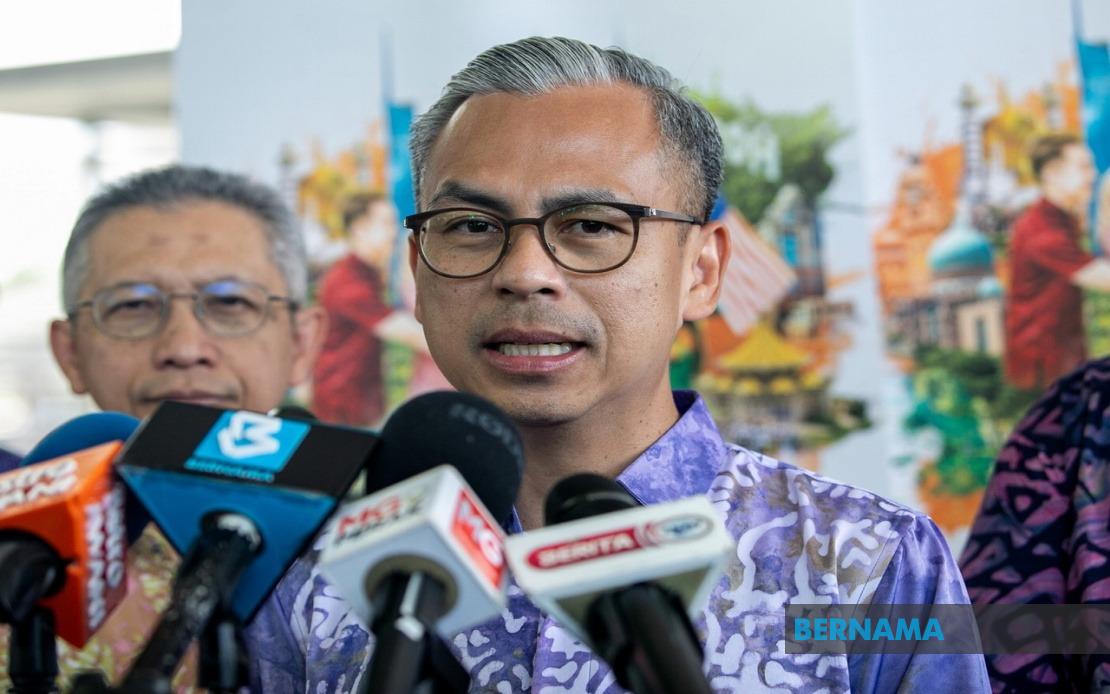
Communications Minister Datuk Seri Fahmi Fadzil has framed the official theme for Malaysia's 2026 National Day and Malaysia Day celebrations as a direct statement of the MADANI Government's governing philosophy. Launched in Ipoh at the Sultan Azlan Shah Ministry of Health Training Institute in Tanjung Rambutan on July 19, the theme 'Malaysia MADANI: Kesejahteraan Dinikmati' (Malaysia MADANI: Shared Prosperity) signals an administration intent on moving beyond traditional measures of economic growth to encompass broader indicators of national wellbeing.
The minister articulated a vision that extends well beyond gross domestic product figures or headline growth rates. Instead, the government is positioning itself as focused on quality of life improvements, creating genuine equal opportunities across all communities, and ensuring that the benefits derived from development initiatives are distributed fairly across the nation's diverse population. This framing suggests a deliberate pivot toward addressing persistent regional disparities and socioeconomic gaps that have long characterised Malaysia's development trajectory.
Fahmi emphasised that the central commitment underlying this theme is guaranteeing no Malaysian gets left behind regardless of ethnicity, religious affiliation, geographical location, or socioeconomic background. This articulation addresses one of the longstanding critiques of Malaysia's development model—that growth has sometimes concentrated benefits among specific groups or regions while leaving others relatively marginalised. By placing inclusivity at the thematic heart of the national celebrations, the government is signalling this concern is central to its policy agenda.
Prime Minister Datuk Seri Anwar Ibrahim's presence at the official launch ceremony, alongside National Unity Minister Datuk Aaron Ago Dagang and Perak Menteri Besar Datuk Seri Saarani Mohamad, underscores the theme's importance across the federal and state levels of administration. The event's location in Perak, a state that has experienced relative economic stagnation compared to wealthier peninsular counterparts, was itself symbolically significant—a practical demonstration of the government's commitment to visibility and engagement in all regions.
The minister connected the shared prosperity concept explicitly to Malaysia's defining characteristic as a multicultural, multireligious nation. He argued that the country's diversity, rather than being a potential source of fragmentation, has historically generated the mutual respect, cultural harmony, and social cohesion that distinguishes Malaysia regionally. This framing suggests the government views inclusive development not merely as a policy choice but as intrinsically linked to maintaining the social fabric that holds the nation together.
Fahmi articulated a shared national responsibility for preserving Malaysia's legacy of unity and harmony. He positioned the maintenance of these qualities as essential not only for domestic stability but for upholding Malaysia's international standing and reputation. This formulation ties internal inclusive development to Malaysia's external diplomatic positioning—suggesting that a genuinely prosperous and unified nation strengthens its influence and credibility in regional affairs.
The campaign framework supporting this theme incorporates several practical initiatives designed to translate the abstract principle of shared prosperity into tangible community engagement. The 'One House, One Jalur Gemilang' campaign invites individual households to display the Malaysian flag, creating a visual manifestation of national unity across geographical and social boundaries. This grassroots approach contrasts with top-down commemoration models and encourages citizen participation in expressing national identity.
Complementing the household campaign is the Kembara Merdeka Jalur Gemilang convoy programme, which will physically traverse the nation to bring the national celebrations into communities that might otherwise have limited access to major public events. For rural areas and less developed regions, such mobile campaigns provide direct government engagement and acknowledgment of their place within the national community. This approach demonstrates effort to ensure the theme's messaging reaches populations across the entire socioeconomic and geographical spectrum.
The government has established the Merdeka 360 portal as a centralised information hub for the celebrations, supported by social media outreach through the Information Department's channels. This multi-platform distribution strategy recognises Malaysia's varied digital adoption rates and media consumption patterns. Older and rural populations may rely on traditional information sources, whilst younger urban demographics engage through social media—requiring coordinated communication efforts to ensure message consistency and broad reach.
The theme's emphasis on shared prosperity arrives at a moment when Malaysia confronts persistent questions about wealth distribution and regional inequality. Economic disparities between federal territories and peripheral states, urban-rural gaps, and sectoral imbalances in opportunity access have generated social tensions. By centralising inclusive development in the national narrative, the government positions itself as acknowledging these challenges and committed to structural approaches rather than symbolic gestures alone.
For Southeast Asian observers, Malaysia's emphasis on inclusive prosperity development reflects broader regional conversations about post-pandemic recovery and equitable growth models. As ASEAN nations navigate transitions toward higher-income status, questions about who benefits from development have become increasingly salient. Malaysia's articulation of shared prosperity as a governing principle provides a case study in how governments attempt to balance growth objectives with distributional equity.
The practical outcomes of this thematic commitment will ultimately determine whether 2026's celebrations represent genuine policy reorientation or rhetorical positioning. Key indicators will include budget allocation patterns toward underperforming regions, policy initiatives targeting disadvantaged communities, and measurable improvements in income distribution metrics. The coming months will reveal whether the government's inclusive development language translates into concrete resource allocation and structural reforms.

