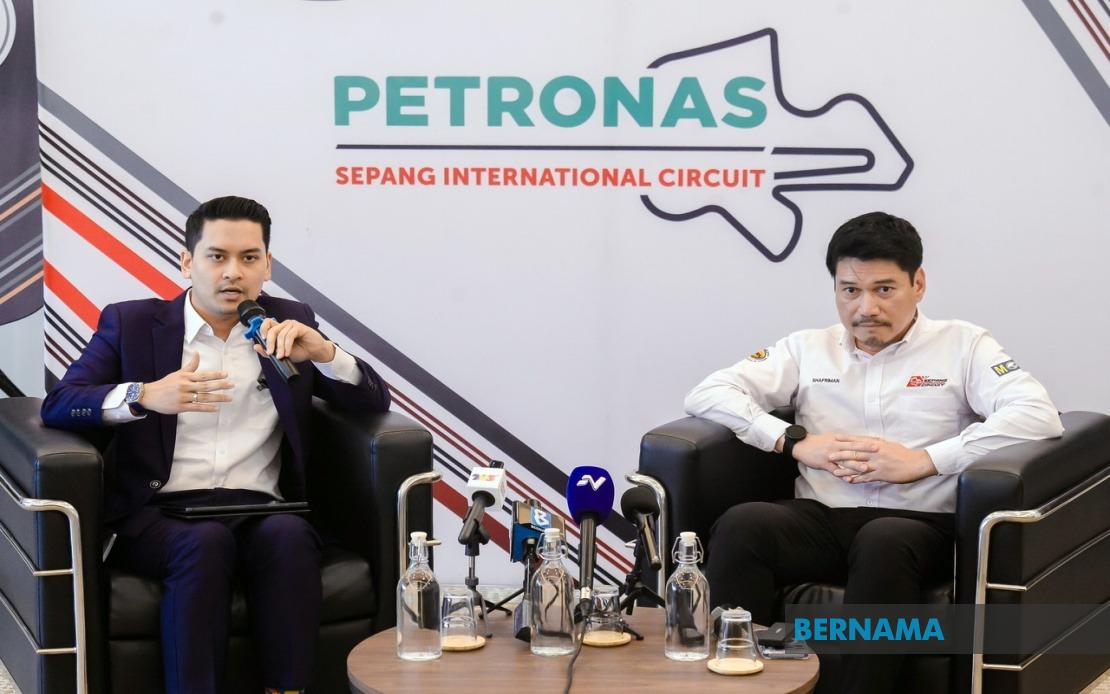
Malaysia has secured its position as a world-class motorsport destination by extending its Motorcycle Grand Prix contract for another five years, with the agreement set to commence in 2026 and run until 2031. Youth and Sports Minister Dr Mohammed Taufiq Johari announced the Cabinet-approved renewal at the Sepang International Circuit, describing the decision as a strategic investment rather than a simple sporting event renewal. The extension builds on the current arrangement, which began in 2024 and concludes at the end of this year, providing continuity for one of Asia's most prestigious racing events.
The government's commitment to retaining the MotoGP reflects broader strategic thinking about Malaysia's role in the global motorsport ecosystem. Rather than viewing the event merely as an international spectacle, policymakers increasingly recognize the competition as a catalyst for economic development and industrial capacity-building. Dr Taufiq emphasized that maintaining Malaysia's competitive position in the motorsport landscape requires sustained investment and long-term planning, particularly as other countries continue investing heavily in hosting major racing events. The five-year extension provides the stability needed for infrastructure planning and promotional activities aligned with Malaysia's tourism and sports development objectives.
The economic dimensions of hosting MotoGP are substantial and extend well beyond spectator spending. According to an impact assessment of the 2024 edition, the event generated approximately RM694 million in overall economic benefits for the country. Beyond direct revenue, the race created more than 4,400 employment opportunities across multiple sectors, ranging from hospitality and transportation to retail and professional services. Notably, the return on investment reached approximately 6.3 times the government's outlay, a multiplier effect that demonstrates the event's value in stimulating broader economic activity throughout the Malaysian economy.
The MotoGP's benefits ripple through various sectors integral to Malaysia's service economy. Tourism operators, hotel chains, transportation companies, and small-to-medium enterprises throughout Selangor and surrounding regions directly capitalize on the influx of international visitors, media personnel, and logistics professionals. The hospitality sector experiences concentrated demand during the race weekend, while transportation networks handle significantly elevated traffic volumes. These knock-on effects create secondary opportunities in food services, retail commerce, and entertainment venues that service both international guests and domestic spectators traveling to Sepang for the event.
Beyond immediate economic returns, the MotoGP contract renewal supports Malaysia's long-term ambitions in developing indigenous motorsport talent and technical expertise. The Malaysian Motorsport Development programme has established a structured pathway for identifying and nurturing young racing talent, producing riders such as Hakim Danish and Qabil Irfan who have gained international recognition and competitive success. The continued hosting of the world's premier two-wheeled racing series provides aspiring Malaysian riders with exposure to cutting-edge technology, professional mentorship, and a local competitive infrastructure that might otherwise require costly overseas relocation. This talent pipeline strengthens Malaysia's reputation as a serious player in global motorsport circles.
The Sepang International Circuit has evolved into a flagship venue since Malaysia transitioned from hosting MotoGP at other locations. The country first welcomed the championship in 1991, but the sport remained nomadic until the circuit's inauguration in 1999 established a permanent home. Over more than two decades, SIC has hosted countless international racing events beyond MotoGP, including other motorcycle championships, automotive competitions, and entertainment programming. The facility's expertise in managing large-scale sporting events, combined with its supporting infrastructure and experienced workforce, positions it competitively against other potential host venues globally.
The contract extension also reflects confidence in Malaysia's ability to maintain high standards of event organization and safety management. International motorsport governing bodies prioritize venues with demonstrated capability to execute flawless logistics, maintain competitive courses, and provide appropriate security for participants, officials, and spectators. Malaysia's track record at Sepang, accumulated through years of successful race hosting, provides assurance that the country can continue meeting these exacting standards throughout the extended contract period. This reputation becomes increasingly valuable as newer venues compete for premium sporting events and associated prestige.
From a Southeast Asian perspective, Malaysia's MotoGP contract renewal underscores the region's growing prominence in global sports infrastructure and tourism. While Thailand and Indonesia have pursued hosting arrangements for various international sporting competitions, Malaysia has established particular dominance in motorsport events. The five-year extension reinforces this regional leadership position and potentially influences how other ASEAN nations invest in sports infrastructure and event hosting capabilities. The economic and reputational benefits demonstrated by the MotoGP contract provide compelling examples for regional policymakers considering similar major sporting event investments.
The government's decision to pursue the contract extension also signals confidence in Malaysia's post-pandemic recovery and tourism sector resilience. Following the global pandemic's disruption to international travel and event hosting, the decision to commit resources toward securing a major international event through 2031 reflects optimism about sustained recovery in aviation, hospitality, and cross-border visitor flows. This confidence extends to planning assumptions about Malaysia's competitive positioning relative to other international tourism destinations and event venues competing for the same markets and audiences.
Looking forward, the extended MotoGP contract positions Malaysia to capitalize on anticipated growth in global motorsport interest, particularly in Asian markets. Increasing wealth in Southeast Asia, combined with rising interest in motorcycle culture and automotive sports, creates favorable demographic and market conditions for motorsport events. Malaysia's continued hosting of MotoGP allows the country to benefit from this expanding regional enthusiasm while maintaining infrastructure investments aligned with long-term sporting and tourism strategies. The contract extension essentially locks in Malaysia's participation in what many analysts project as growth periods for motorsport participation and viewership across Asia.

