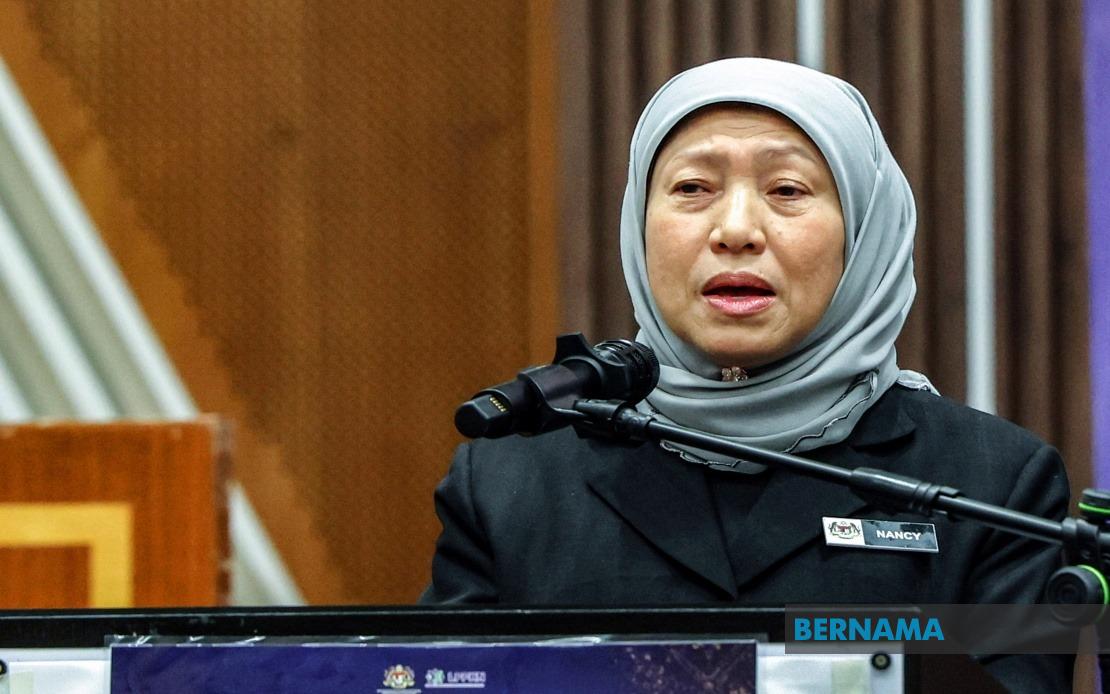
The Malaysian government is embarking on an ambitious 18-month research initiative designed to reshape how the nation approaches men's development and social wellbeing. Minister Datuk Seri Nancy Shukri announced the launch of the National Gentleman Study this month, positioning it as a cornerstone of the broader National Gentleman Initiative that seeks to cultivate resilient, accountable men capable of strengthening families and contributing positively to national progress.
The study reflects a fundamental recalibration of how policymakers in Putrajaya conceptualise male empowerment. Rather than confining the discussion to traditional domains such as employment and leadership advancement, the initiative encompasses psychological resilience, emotional intelligence, mental health stability, and the capacity to manage life's obligations with honour and integrity. This expanded framework acknowledges that empowerment for men must extend into the realm of personal development and emotional maturity, areas often sidelined in conventional gender discourse.
Central to this philosophy is the principle that genuine masculine strength derives not from dominance or control, but from the wisdom to lead collaboratively, the willingness to share household and familial responsibilities equitably, and the recognition of women as co-equal partners in constructing stable, prosperous families. Minister Shukri articulated this vision clearly, emphasising that the concept of a gentleman must be reframed away from patriarchal stereotypes toward a model grounded in mutual respect, appreciation, and universal human dignity.
The research initiative has been structured around a Public-Private-People Partnership, or 4P framework, creating a comprehensive consultation process to harvest perspectives, lived experiences, and concrete recommendations from diverse stakeholders. This methodology ensures that the study captures input from business leaders, civil society organisations, community groups, and affected individuals, generating rich qualitative and quantitative data to inform future policy and programme design. The findings will serve as the evidentiary foundation for implementing men-focused initiatives across Malaysia.
The urgency underlying this initiative becomes apparent when examining the social and health data that prompted the government's action. Male suicide rates in Malaysia stand at nearly three times the female rate, a striking disparity that signals profound psychological distress within significant male populations. The 2023 National Health and Morbidity Survey revealed that 4.6 per cent of Malaysians aged 16 and above contend with depression, representing a substantial mental health burden that extends across genders but demands gender-sensitive responses.
Economic pressures have created additional stresses within male-headed households and family units. Bank Negara Malaysia's data shows household debt has reached 84.3 per cent of gross domestic product, a ratio indicating widespread financial strain that threatens family stability and individual wellbeing. This economic precarity intersects with cultural and legal obligations, creating particular pressures on men who serve as primary earners or face maintenance obligations following separation and divorce.
Family breakdown statistics underscore the interconnected nature of these challenges. Malaysia recorded 60,457 divorce cases in 2024, representing a 4.1 per cent increase from the previous year. Ministry analysis identifies three principal drivers of family dissolution: financial stress arising from economic hardship, inability to meet spousal and child maintenance responsibilities, and accumulated domestic tension stemming from unresolved conflict. These factors illustrate how economic vulnerability, emotional dysregulation, and relationship dysfunction reinforce one another, creating cascading family crises.
A particularly troubling dimension emerges from Royal Malaysia Police statistics covering January through December 2025, which indicate that men comprised 95 per cent of recorded domestic violence perpetrators. This statistic presents a profound paradox: while men face elevated rates of suicide, depression, and economic hardship, they simultaneously commit the overwhelming majority of intimate partner violence and family abuse incidents. This paradox demands careful analytical attention and sensitive policy responses that simultaneously address male vulnerability without excusing male perpetration of harm.
For Malaysia and the broader Southeast Asian region, this study arrives at a pivotal moment when societies grapple with evolving gender dynamics, economic transformation, and shifting family structures. The initiative signals official recognition that gender equality and social wellbeing require interventions that address male struggles and responsibilities with equal sophistication and resources directed toward women's empowerment. This both-and approach reflects international best practice rather than zero-sum competition between men's and women's advocacy.
The research will likely generate findings relevant to neighbouring economies facing similar demographic pressures, mental health challenges, and family instability. Malaysia's willingness to conduct rigorous examination of men's empowerment creates potential for meaningful regional dialogue and knowledge-sharing on effective policy models. The study's focus on emotional intelligence, relationship skills, and responsible fatherhood may yield transferable insights for other nations navigating comparable social transitions.
The National Gentleman Study also responds implicitly to debates about masculinity that have intensified globally. By deliberately grounding men's empowerment in values of integrity, collaboration, and respect rather than competition and domination, Malaysian policymakers position the initiative as an alternative to both traditional patriarchal models and reactive masculinity movements that reject gender equality. This measured, values-driven approach offers a template for constructive engagement with male development in diverse cultural and religious contexts.
As the research unfolds over the coming year and a half, its success will depend substantially on honest engagement from male participants willing to discuss vulnerabilities, emotional struggles, and relationship challenges without defensiveness. The government's challenge extends to creating safe institutional spaces where men feel enabled to articulate pain and difficulties without shame, while simultaneously maintaining clear boundaries around accountability for harmful behaviour. The ultimate measure of this initiative's effectiveness will emerge in subsequent years through measurable improvements in male mental health outcomes, reduced domestic violence, stronger family stability, and more equitable gender relations.

