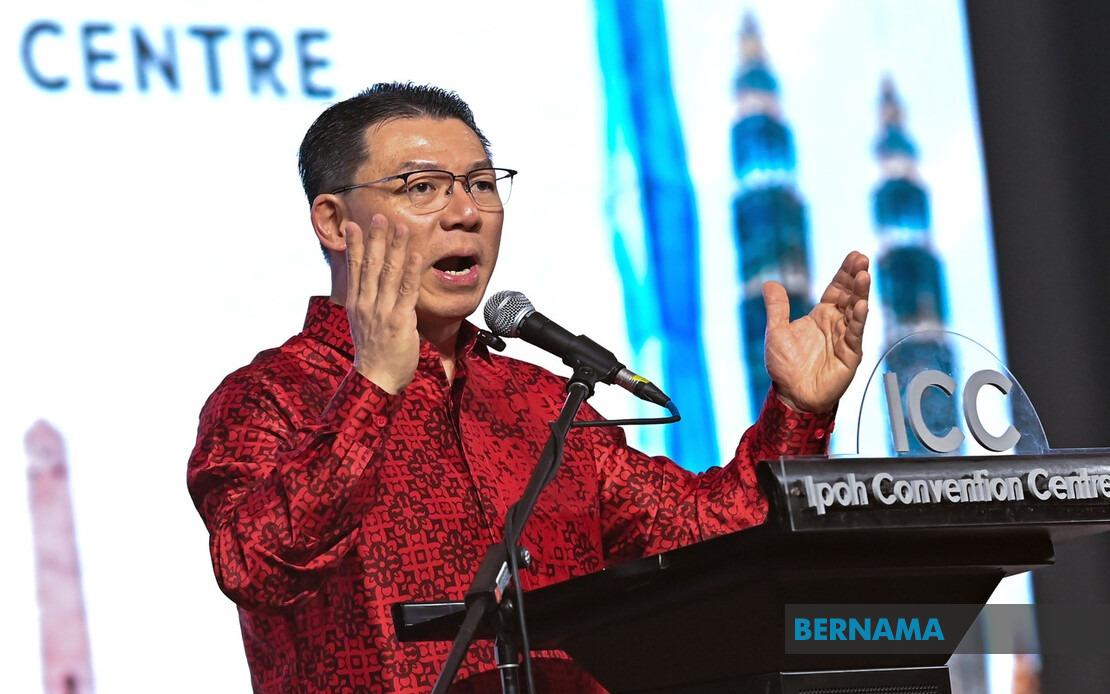
The Malaysian government has unveiled an ambitious framework to transform public spaces across the nation, drawing on global expertise to establish domestic standards that will reshape urban environments. Housing and Local Government Minister Nga Kor Ming announced the MY Public Space initiative during the 2026 National Landscape Day Celebration in Melaka, which was officiated by Prime Minister Datuk Seri Anwar Ibrahim. This comprehensive programme represents a significant shift towards ensuring that parks, recreational areas, and public gathering spaces meet rigorous criteria for quality, inclusivity, accessibility, and resilience—hallmarks increasingly important as Malaysian cities grapple with rapid urbanisation and changing community needs.
The initiative emerges from a partnership between the Ministry of Housing and Local Government (KPKT) through its National Landscape Department and UN-Habitat, the United Nations programme for human settlements. This collaboration anchors the effort in internationally proven methodologies while permitting customisation to suit Malaysia's unique cultural, climatic, and developmental contexts. By aligning with global best practices rather than developing standards in isolation, Malaysia positions itself to benefit from decades of accumulated urban design knowledge whilst contributing its own innovations to an evolving dialogue about what constitutes liveable public spaces in tropical, multicultural societies.
The MY Public Space framework operates across four interconnected pillars that provide both immediate action and long-term institutional capacity. First, the initiative will establish a national recognition system aligned with the Rosa Sinensis Award, creating incentives for municipalities and developers to meet elevated standards. Second, a MY Public Space Toolkit pilot project will test practical implementation approaches before wider rollout. Third, the programme strengthens management practices across existing public spaces, recognising that quality depends not merely on design but on sustained maintenance and community engagement. Finally, the toolkit will be integrated into national landscape development guidelines and policies, embedding these standards into official practice rather than leaving them as aspirational ideals.
These structured components address a persistent challenge in Malaysian urban development: the gap between initial design excellence and long-term stewardship. Many cities struggle to maintain public spaces once constructed, allowing quality to deteriorate through inadequate funding, unclear responsibility, or lack of coordinated management systems. By building institutional frameworks and policy anchors from the outset, the initiative increases the likelihood that newly developed spaces will remain functional and welcoming for years to come. This institutional approach reflects lessons learned from more established public space programmes globally, where consistency in management standards often proves as important as architectural design.
A central pillar of the broader strategy involves the MADANI Parks programme, which targets creating 1,000 recreational parks nationwide by 2035. Progress has already exceeded expectations: between 2024 and 2025, the government completed 217 MADANI Recreational Parks across the country, substantially surpassing the original target of 100 parks annually. In Melaka alone, ten of these parks have been developed, with three additional facilities planned for Ayer Keroh and Masjid Tanah during the current year. This acceleration suggests genuine momentum behind the programme, though sustaining delivery across all states will require consistent funding, skilled workforce availability, and coordinated planning among multiple municipal authorities with varying capacities.
For ordinary Malaysians, the significance of this nationwide parks initiative extends beyond recreational amenity. Access to quality green spaces directly correlates with public health outcomes, mental wellbeing, and social cohesion. In densely developed urban areas where many Malaysians reside, public parks often provide the only accessible outdoor environment for exercise, relaxation, and community gathering. The commitment to creating parks across all communities, rather than concentrating facilities in affluent areas, addresses equity concerns that have historically shaped urban development. Whether the execution will genuinely serve marginalised communities, however, depends on decisions about location, design accessibility, and programming that will unfold in coming years.
The initiative's connection to Malaysia's presidency of the UN-Habitat Assembly positions domestic public space improvement within a broader international sustainability agenda. Malaysia has committed to accelerating achievement of the Sustainable Development Goals through enhanced cooperation and action. Public spaces directly support multiple SDGs: SDG 3 on health through green infrastructure and recreation opportunities; SDG 11 on sustainable cities through improved urban environments; SDG 13 on climate action through tree cover and stormwater management. By demonstrating how public space development can serve multiple sustainability objectives simultaneously, Malaysia contributes to global conversations about how middle-income countries can achieve development goals whilst managing resource constraints.
Beyond direct public benefit, the government envisions the landscape industry itself as an economic engine. Malaysia recorded RM534.3 million in landscape product exports during 2025 to destinations including Singapore, Japan, Australia, and the United States, demonstrating existing international competitiveness. The target is to expand the landscape industry's contribution to national GDP to RM40 billion by 2035—a substantial increase reflecting both domestic investment and export growth. To realise this ambition, the KPKT through the National Landscape Department is developing the Malaysian Landscape Industry Blueprint, a strategic guide addressing workforce development, industry standards, green technology innovation, value chain strengthening, and international competitiveness enhancement.
This economic dimension reflects a sophisticated understanding that public space development and commercial opportunity can reinforce each other. As Malaysia develops more parks and public spaces to international standards, demand grows for high-quality landscape design services, construction expertise, and maintenance capabilities. Domestic firms positioned to meet these standards can capture growing regional demand from neighbouring countries pursuing similar urban development goals. Singapore, for instance, has long maintained rigorous landscape standards and faces capacity constraints; Thailand and Indonesia are increasingly investing in public space improvements. Malaysian expertise, honed through executing the MY Public Space and MADANI Parks programmes, becomes an exportable service.
The workforce development challenge, however, cannot be understated. Implementing 1,000 parks by 2035 whilst simultaneously professionalising the landscape industry requires training thousands of workers in design, construction, horticulture, and maintenance. Current educational institutions may lack capacity to produce graduates at the required scale and quality level. International partnerships, apprenticeship schemes, and industry investment in training will all prove necessary. The Malaysia Landscape Industry Blueprint's focus on workforce capacity building acknowledges this constraint, but successful execution depends on coordinating efforts across education ministries, industry associations, and employers—a complex coordination challenge.
For Southeast Asian observers, the MY Public Space initiative represents one model for how rapidly urbanising middle-income countries can pursue quality-of-life improvements whilst building competitive industries. Malaysia's combination of international partnership with domestic customisation, integration of public benefit with economic development, and establishment of measurable targets with institutional mechanisms offers lessons applicable across the region. Whether the programme ultimately succeeds in creating truly inclusive, well-managed public spaces accessible to all communities will depend on subsequent implementation decisions about resource allocation, design democracy, and management accountability. The announcement establishes an ambitious framework; realising it requires sustained commitment and careful attention to execution across multiple levels of government and the private sector over the next decade.

