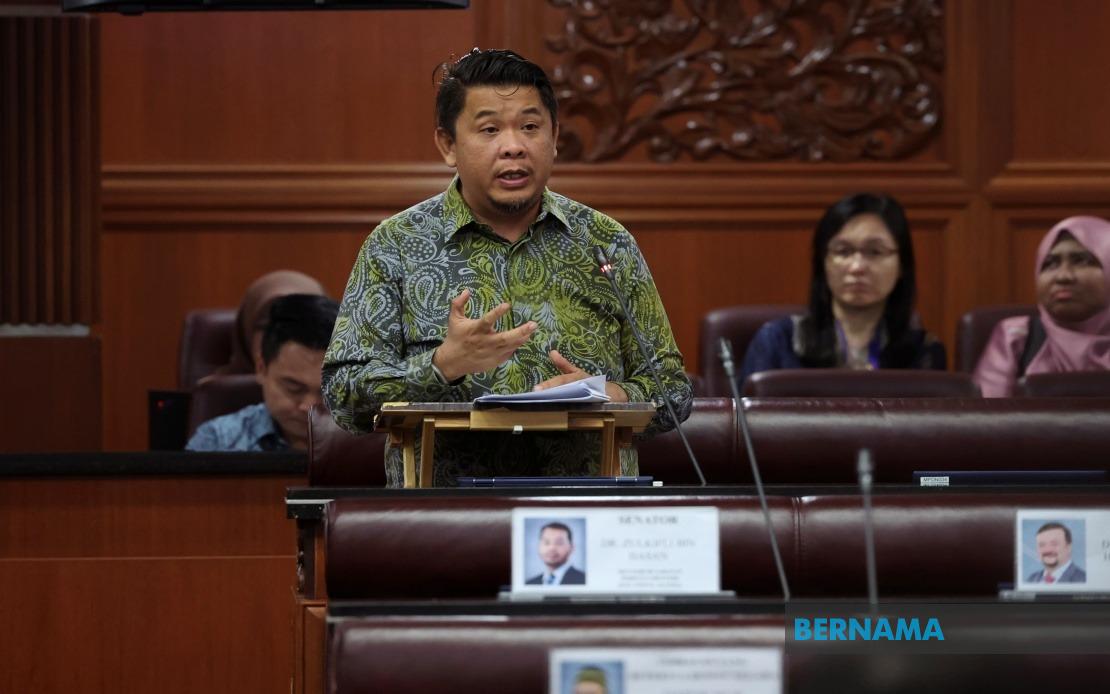
Malaysia's Cabinet has ordered the United Nations High Commissioner for Refugees to temporarily cease all registration activities, marking a significant shift in how the country manages its refugee population. Deputy Foreign Minister Datuk Lukanisman Awang Sauni announced the decision during parliamentary proceedings on July 23, emphasising that the suspension will permit the government to reorganise its refugee management infrastructure through the introduction of a new Refugee Registration Document (DPP) programme. This restructuring represents an attempt by Kuala Lumpur to centralise refugee data and administrative procedures under direct government authority rather than relying on international agency systems.
The government's rationale for the temporary halt centres on establishing greater administrative control and operational transparency. By implementing the DPP programme, Malaysian officials argue that the country will be able to maintain more comprehensive and organised records of refugee populations, enabling more effective coordination between various state institutions responsible for immigration, security, and social welfare. The initiative also aims to strengthen identity verification processes and enhance monitoring capabilities across all registered individuals, preventing potential exploitation of registration loopholes by undocumented migrants seeking entry to the country.
This policy shift reflects Malaysia's longstanding position that the burden of refugee management disproportionately falls on nations like itself that have not ratified the 1951 Refugee Convention. The country hosts one of Southeast Asia's largest refugee populations, with hundreds of thousands of individuals from Myanmar, Syria, Palestine, and other conflict zones residing within its borders. By asserting greater administrative control through the DPP framework, Malaysia is signalling its intention to establish clearer boundaries around who qualifies for refugee status and under what circumstances.
The suspension also carries implications for the Rohingya population specifically, who represent one of Malaysia's most vulnerable refugee communities. Many Rohingya individuals lack formal documentation or recognition from Myanmar, their country of origin, placing them in precarious legal positions. The temporary registration halt effectively freezes new applications and complicates the situation for unregistered Rohingya seeking official status, though the government maintains that the new DPP system will eventually accommodate eligible individuals through a more rigorous vetting process.
Lukanisman emphasised that the DPP programme's implementation will involve extensive collaboration with enforcement agencies at multiple levels. This multi-agency approach aims to ensure that registration decisions incorporate security considerations and verify that applicants genuinely meet refugee criteria rather than being economic migrants seeking informal entry. The government appears particularly concerned about preventing the infiltration of individuals who may pose security risks or who lack legitimate claims to protected status.
Beyond unilateral domestic measures, Malaysia continues pursuing regional and multilateral solutions to the refugee crisis affecting Southeast Asia. Lukanisman reaffirmed that the government is engaging with Myanmar and other ASEAN member states to develop coordinated responses to root causes of displacement, particularly concerning the Rohingya situation. These diplomatic efforts represent an acknowledgment that no single nation can effectively resolve refugee flows without international cooperation and pressure on source countries to address internal conflicts and persecution.
A practical consequence of the registration suspension involves the estimated 5,000 Myanmar nationals currently detained in immigration detention facilities. The government has secured Myanmar's agreement to accept repatriation of these individuals, with transfers scheduled to occur via naval vessels subject to resolution of administrative procedures. This arrangement suggests that Malaysia is preparing to reduce its detention population through managed returns, though the sustainability and humanitarian implications of such repatriations remain subjects of international scrutiny.
The DPP programme represents a deliberate assertion of national sovereignty over refugee management, reflecting frustration with international frameworks that Malaysia views as placing disproportionate responsibility on developing nations with limited resources. By centralising data collection and decision-making, Kuala Lumpur aims to make refugee administration more compatible with its domestic security apparatus and labour market regulations. The system will theoretically allow officials to monitor refugee populations more closely and prevent informal economic activities that might exploit vulnerable individuals.
For other Southeast Asian nations facing similar refugee pressures, Malaysia's approach offers a template for state-led management systems that prioritise national interests and security considerations. However, the registration suspension also raises concerns among humanitarian organisations regarding potential gaps in services and protection for vulnerable populations during the transition period. The government's insistence on implementing the DPP before resuming UNHCR registrations underscores its determination to establish new operational parameters rather than simply reverting to previous arrangements.
The timing of this policy initiative occurs against a backdrop of broader regional discussions about migration management, asylum burden-sharing, and the capacities of lower-income countries to accommodate large refugee populations. Malaysia's decision to restructure its refugee administration system through the DPP programme reflects evolving thinking about how states can balance humanitarian obligations with national security concerns and fiscal sustainability. The success of this new framework will likely influence approaches adopted by neighbouring countries grappling with comparable challenges in managing refugee populations and preventing irregular migration.

