Malaysia's Education Ministry has nearly completed its recruitment drive for preschool educators, with 99.8 per cent of designated teaching posts now filled as of July 1. This achievement represents a significant step towards ensuring consistent access to early childhood education across the country, with 10,478 teachers now in position to support the nation's youngest learners. The high fill rate demonstrates the ministry's commitment to addressing workforce challenges in the early education sector, an area that has traditionally struggled with staffing constraints in developing nations across Southeast Asia.
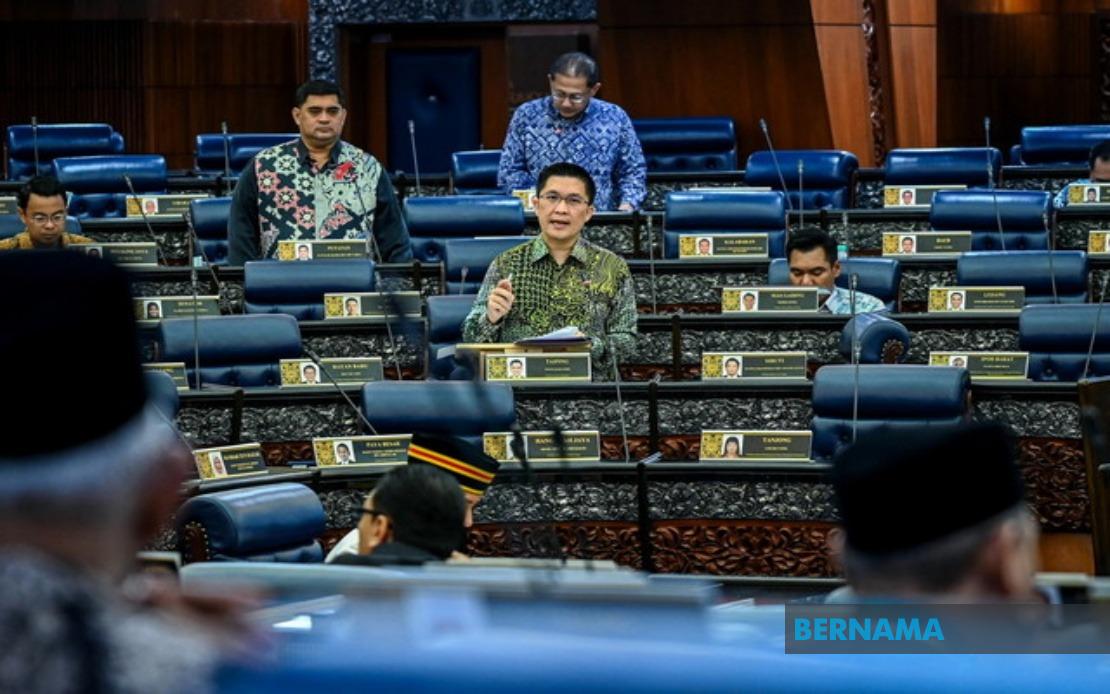
Deputy Minister Wong Kah Woh disclosed these figures during parliamentary proceedings, emphasizing that the recruitment effort has been both substantial and sustained. Between 2023 and 2025 alone, the ministry deployed 1,202 new preschool teachers, reflecting a deliberate strategy to build teaching capacity ahead of anticipated growth in student enrolment. Rather than conducting mass recruitment exercises, Wong indicated that the ministry intends to continue filling positions gradually and methodically, allowing time for proper integration and ensuring that new teachers receive adequate support during their transition into Malaysian preschools.
The expansion of the teaching workforce forms part of a broader modernization agenda within Malaysia's early childhood education system. Wong emphasized that simply hiring more teachers was insufficient without corresponding improvements in professional standards. Consequently, the ministry has invested in strengthening both pre-service training for prospective educators and in-service professional development for those already in the classroom. These programmes are specifically designed to align teacher competencies with contemporary early childhood education standards, ensuring that the expanded workforce can deliver learning experiences meeting international benchmarks.
Current operational capacity reveals the scale of Malaysia's preschool infrastructure. As of May 31, the ministry operated 10,491 preschool classes nationwide, collectively serving 217,026 pupils. This substantial network demonstrates that preschool education in Malaysia has evolved from a peripheral service to a core component of the education system. The numbers also highlight the ongoing challenge of meeting demand, particularly in rapidly urbanizing regions where population growth has outpaced facility development. For Southeast Asian observers, Malaysia's experience offers insights into scaling early childhood provision while maintaining quality standards.
The ministry's approach to expanding access emphasizes strategic location selection rather than ad-hoc development. Wong explained that decisions regarding where to open new classes and establish expanded facilities are grounded in comprehensive needs assessments. These evaluations consider the number of children within eligible age groups in specific localities and documented community demand for preschool services. This evidence-based methodology helps prevent wasteful investments in underutilized facilities while ensuring that resources reach populations with the greatest need, particularly in underserved rural and suburban areas.
Looking ahead, the ministry has articulated an ambitious expansion timeline that will shape early education access for years to come. Wong announced plans to open 300 additional preschool classes during the following academic year. This incremental approach, while modest compared to total existing capacity, reflects realistic constraints on government funding and teacher training throughput. More significantly, the ministry is targeting the establishment of 1,040 new classes over a five-year period, a commitment that would increase Malaysia's preschool infrastructure by approximately 10 per cent. Such expansion would substantially enhance the proportion of eligible children able to access government-provided early education.
The five-year expansion plan carries particular significance for Malaysian families currently unable to access preschool provision. While many urban and suburban communities benefit from established preschool networks, remote and newly developed areas frequently lack comparable facilities. The ministry's commitment to phased growth acknowledges both the genuine demand for expansion and the practical limitations of rapid scaling. For policymakers across the region facing similar challenges, Malaysia's measured approach demonstrates how countries can pursue universal access without overextending institutional capacity.
For children aged six years who have not previously attended preschool, the ministry is pursuing a multifaceted strategy to improve access and smooth the transition to formal schooling. Rather than relying solely on government classroom expansion, Wong indicated that the ministry is actively collaborating with State Education Departments, the Community Development Department (KEMAS), and other relevant agencies. This inter-agency cooperation reflects recognition that preschool access depends on more than simply opening additional MOE-operated facilities. Private providers, community organizations, and state-level actors all contribute to the early childhood education ecosystem, and coordination across these actors can accelerate progress toward universal access.
The recruitment and expansion initiatives must be contextualized within broader regional trends in early childhood education. Southeast Asia has witnessed growing recognition of the developmental benefits of quality preschool programmes, with multiple governments establishing targets for universal access. Malaysia's achievement of near-complete teacher recruitment positions the country competitively within this regional movement. However, the gap between having qualified teachers and ensuring that every eligible child benefits from quality preschool education remains substantial, particularly in economically disadvantaged communities where families may lack awareness of available programmes or face transportation and affordability barriers.
Quality assurance mechanisms will determine whether the expansion delivers genuine educational benefit or merely creates additional classroom spaces. Wong's emphasis on strengthened training programmes suggests that the ministry recognizes this risk. The investment in pre-service and in-service training should ideally address not only technical pedagogical skills but also culturally responsive teaching, early literacy and numeracy development, and the recognition and support of children with developmental delays or special needs. For Malaysian families and for the broader early childhood education community, the success of the five-year expansion will ultimately be measured not by facility numbers but by the developmental outcomes achieved by participating children.
The political commitment to preschool expansion also reflects changing national priorities regarding early investment in human capital development. Extending access to government-provided early education carries implications for maternal workforce participation, gender equity, and socioeconomic mobility. Families—particularly low-income households—that currently forgo preschool enrolment due to cost or availability constraints may benefit substantially from expanded government provision. For Malaysian policymakers, the current expansion effort represents both a response to immediate demand and an investment in long-term economic competitiveness and social cohesion, positioning early childhood education as a cornerstone of national development strategy.

