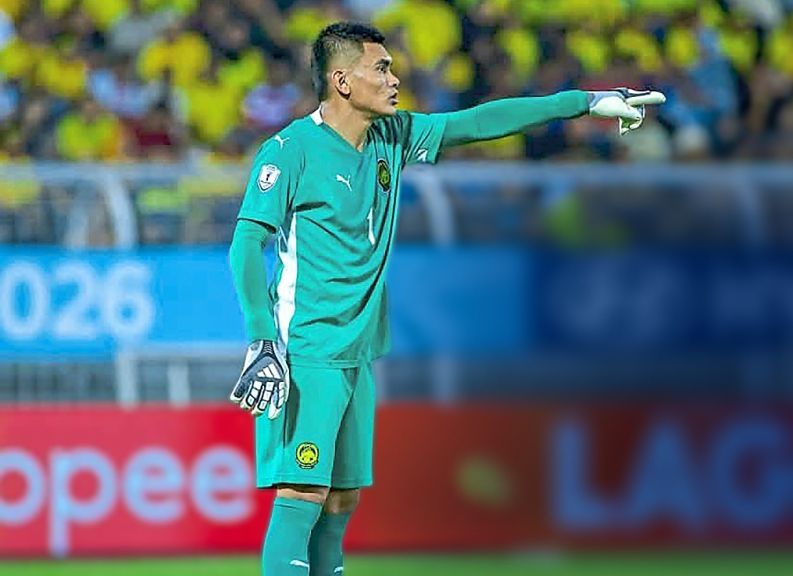
Malaysia's campaign in the Hyundai AFF Cup suffered a severe setback on Sunday when they succumbed to a two-goal defeat against Vietnam in the opening leg of their semi-final matchup at the Cheras Football Stadium. The loss, which came in front of their home support, leaves Harimau Malaya facing an enormous challenge when they travel to Hanoi for the second leg fixture at MyDinh Stadium. Interim coach Tan Cheng Hoe's side will need to overturn the deficit and produce one of the tournament's most memorable comebacks to advance to the final against the defending champions.
The Malaysian outfit encountered trouble from the outset, losing key defender Rodney Celvin Akwensivie to injury in the 15th minute. The centreback's early departure forced Tan Cheng Hoe to introduce young replacement Aysar Hadi Sapri, disrupting the team's defensive shape and concentration at a critical juncture. This substitution set a concerning pattern for the evening, as Malaysia appeared to struggle with both the physical and tactical demands of facing a Vietnam side that came into the match as tournament favorites and holders of the Southeast Asian regional crown.
Despite the setback, Malaysia generated genuine scoring opportunities during the opening period that suggested they could frustrate their opponents. Their most promising moment arrived in the 34th minute when two chances materialized within three seconds of each other. Leftback Faris Danish Asrul delivered a tightly-struck cross along the ground that captain and forward Paulo Josue managed to reach, but Vietnam's goalkeeper Patrick Le Giang produced a crucial save to deny the Malaysian striker. The rebound fell invitingly to midfielder Daryl Sham George, who squandered the opportunity by sending his attempt high over the crossbar into the stands, a moment that would prove costly as the game progressed.
Vietnam capitalized on Malaysia's wastefulness before the interval when they found the opening goal through unmarked forward Xuan Son. Wingback Truong Tien Anh delivered a pinpoint cross from the flank that went unchallenged, allowing Xuan Son to power home a header that gave the visitors a crucial advantage heading into the break. The goal epitomized Malaysia's defensive vulnerabilities and set the tone for a second half in which the home side desperately sought to salvage something from an increasingly one-sided contest.
Tan Cheng Hoe's tactical adjustments in the second half showed he recognized the need for a different approach. Malaysia dominated possession for significant periods and attempted to impose their game through sustained attacking moves, while Vietnam adopted a more conservative strategy built around quick transitions and dangerous counter-attacks that repeatedly caught the Malaysian defense off guard. The battle for midfield control became the decisive factor as Vietnam's experience and defensive discipline proved too much for their regional rivals.
A dramatic moment unfolded in the 60th minute when referee Rustam Lutfullin from Uzbekistan issued a red card to Patrick Le Giang for allegedly handling the ball outside his penalty area. However, the decision was immediately reviewed through the video assistant referee system, which revealed that the goalkeeper had not used his hands as initially thought. This reversal meant Vietnam retained their numerical advantage and preserved their one-goal lead during a period when Malaysia was pressing hard for an equalizer.
In search of additional creativity and momentum, Tan Cheng Hoe made further substitutions by introducing winger Haqimi Azim Rosli and midfielder Ibrahim Manusi, who was earning his maiden international cap. These changes represented an attempt to inject fresh energy and tactical flexibility into Malaysia's approach, moving away from some of the personnel that had struggled to impose themselves throughout the encounter. Despite these alterations, Vietnam's defensive organization remained impressive, and the Malaysian side could not break through to score the goal that would have given them genuine hope for the return leg.
The second Vietnamese goal, arriving in the 86th minute, effectively ended any remaining Malaysian prospects of staging a dramatic comeback in this fixture. Leftback Faris Danish Asrul, who had been one of Malaysia's more threatening attacking players earlier in the match, produced an own goal that doubled Vietnam's advantage and sealed the victory. This unfortunate moment epitomized Malaysia's evening, transforming a player who had created chances into an inadvertent architect of his team's downfall.
The road ahead for Malaysia remains extraordinarily challenging. To reach the final, they must travel to the MyDinh Stadium in Hanoi and not only overturn a two-goal deficit but emerge victorious from a hostile environment against opponents who have dominated Southeast Asian football in recent years. While defending champions rarely lose advantage in such circumstances, the semi-final format does theoretically allow for dramatic turnarounds if Malaysia can perform significantly better than they did at home. The team's ability to recover mentally and tactically will determine whether this represents merely a first-leg stumble or the beginning of an early tournament exit.

