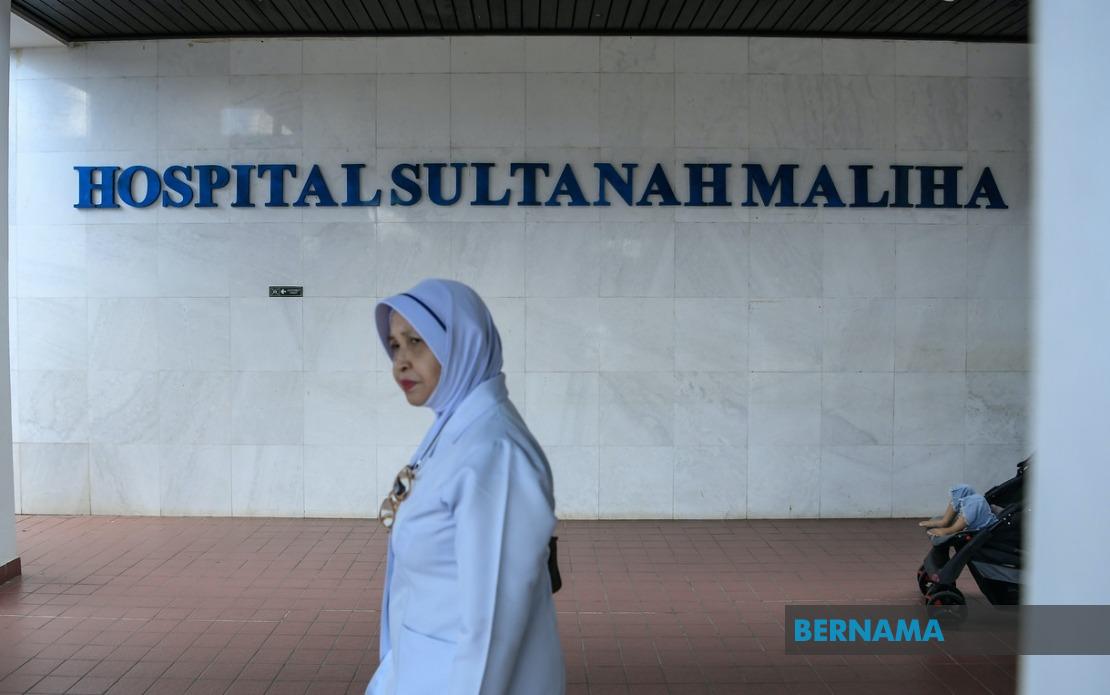
The Malaysian Ministry of Health has substantially enhanced emergency medical capabilities on Pulau Tuba with the launch of a purpose-built sea ambulance and a restructured Emergency Birthing Unit, marking a significant investment in remote healthcare infrastructure. Unveiled by Health Minister Datuk Seri Dr Dzulkefly Ahmad at Klinik Kesihatan Pulau Tuba on July 5, the dual initiatives represent a coordinated effort to address the distinctive healthcare challenges faced by island communities where geographical isolation creates genuine obstacles to timely medical intervention.
The centrepiece of this healthcare expansion is a 48-foot sea ambulance that commenced operations on May 20 following an impressive development timeline. The vessel, constructed to specifications tailored for maritime patient transport, incorporates modern emergency care equipment designed to stabilise patients during the crucial transit period to main healthcare facilities on the mainland. This acquisition consumed RM1.45 million in government resources and was completed eighteen weeks ahead of the original project schedule, demonstrating efficient execution by the responsible authorities.
The operational necessity for this maritime emergency service is well-established. Current data reveals that Pulau Tuba's health facilities process between seven and ten emergency patient referrals by sea monthly, generating consistent demand for faster and more reliable transport mechanisms. Previously, patients requiring emergency intervention faced extended waiting periods and the inherent risks associated with conventional sea transport arrangements, particularly during adverse weather conditions that frequently disrupt conventional maritime schedules in the region.
Beyond simple patient transport logistics, the sea ambulance represents a qualitative advancement in emergency response capability. The vessel enables faster transit times, reduces patient deterioration during transfers, and provides a stable platform for emergency interventions to commence immediately rather than waiting for arrival at hospital facilities. For island residents facing acute medical crises, this distinction can prove clinically significant, potentially improving survival rates and reducing complications associated with delayed treatment.
Complementing the transport infrastructure is the newly designated Emergency Birthing Unit, which underwent rebranding from its previous incarnation as the Alternative Birthing Centre in July 2024. The transition involved targeted facility upgrades supported by RM50,000 in equipment investments, transforming the centre into a specialised facility capable of managing obstetric emergencies at the point of first contact. This focus on maternal health reflects both the particular vulnerabilities of pregnant women on remote islands and the unpredictability of maritime transport during pregnancy complications.
Maternal health on island communities presents distinctive challenges that differ markedly from mainland contexts. Pregnant women experiencing complications cannot simply access emergency obstetric care when rough seas or inclement weather restrict vessel movements. The Emergency Birthing Unit provides a critical intermediate care capability, enabling initial stabilisation, risk assessment, and early management of obstetric emergencies while coordinators arrange safe transport to hospital facilities with surgical capacity. Since commencing operations, the unit has processed approximately six maternal referral cases annually, demonstrating consistent utilisation of this service.
The clinical protocols supporting the Emergency Birthing Unit reflect sophisticated risk management practices. Health staff conduct comprehensive antenatal screening to identify pregnant women at elevated risk for complications, implement systematic monitoring throughout pregnancy, and execute timely referrals to hospital facilities when circumstances indicate potential obstetric emergencies. These practices have prevented any emergency deliveries on the island since the unit became operational, suggesting that early identification and appropriate referral systems function effectively within this setting.
The achievement of preventing unplanned island births carries substantial clinical significance. Obstetric emergencies occurring without access to surgical intervention, anaesthesia, and intensive care facilities carry considerably elevated risks for both mother and child. By intercepting at-risk pregnancies before labour complications develop, the health team has established a safety net that reflects sound obstetric principle adapted to remote island realities. This success demonstrates how focused investment in frontline capability can address genuine public health vulnerabilities.
For Pulau Tuba's population exceeding 5,000 residents, these infrastructure improvements represent tangible enhancements to health security. Emergency care access, frequently compromised by maritime geography, now benefits from dedicated transport resources and enhanced local emergency capacity. These investments acknowledge that island residents deserve equivalent emergency medical capability to their mainland counterparts, despite the logistical complexities of servicing dispersed island populations.
These initiatives carry implications extending beyond Pulau Tuba itself. Malaysia encompasses numerous island communities scattered across peninsular and Borneo regions, many facing comparable healthcare access constraints. The Pulau Tuba model—combining dedicated maritime transport infrastructure with upgraded local emergency capacity—provides a replicable template for addressing healthcare disparities in island settings throughout Southeast Asia. As regional nations grapple with equitable healthcare distribution, maritime ambulance services and distributed emergency capacity offer practical approaches to serving geographically scattered populations.
The healthcare expansion also reflects broader policy recognition that geographic location should not determine access to emergency medical services. Health inequities between island and mainland communities have persisted partly through inadequate infrastructure for managing maritime transport challenges. By addressing these constraints through targeted investment, the government signals commitment to universal healthcare principles that acknowledge geographic reality while ensuring service equity.
Looking forward, the functioning of these services will depend upon sustained resourcing for vessel maintenance, personnel training, and equipment replacement. Island healthcare systems require particular attention to supply chain resilience, as maritime disruptions can constrain resource availability more severely than on the mainland. Continued government support for operational expenses will determine whether these infrastructure investments maintain their intended impact across years of operation.
The dual initiatives on Pulau Tuba represent substantive progress toward healthcare equity in island settings. By combining dedicated maritime emergency transport with enhanced local obstetric capacity, Malaysia has constructed a healthcare response architecture specifically designed for island community needs. As remote healthcare remains a persistent challenge across the region, the Pulau Tuba experience offers evidence that systematic investment in appropriate infrastructure can meaningfully improve emergency care access for geographically isolated populations.

