The Malaysian government has initiated cloud seeding operations across multiple haze-affected regions, with particular emphasis on locations registering Air Pollutant Index readings exceeding 150, while simultaneously addressing critical water supply concerns stemming from depleting reservoir levels nationwide. Deputy Prime Minister Datuk Seri Dr Ahmad Zahid Hamidi revealed that these atmospheric intervention activities are coordinated efforts involving the Malaysian Meteorological Department and the Royal Malaysian Air Force, representing a comprehensive governmental response to the compounding environmental challenges facing the nation during the current extended hot weather period.
The timing of these cloud seeding initiatives reflects mounting urgency as multiple dams across the country report declining water levels, a situation exacerbated by the prolonged dry conditions and elevated temperatures. Officials have determined that artificial rain induction represents a critical measure to safeguard water supply continuity for households, industries, and agricultural operations across affected regions. The strategic focus on areas where API measurements breach the 150-point threshold ensures that resources are concentrated where air quality degradation poses the most immediate health and environmental risks to communities.
Operations commenced in Putrajaya on the day of the Deputy Prime Minister's announcement, with subsequent phases scheduled across multiple states. The deployment will extend to Sarawak, Kedah, and Perlis between September 3 and 5, representing a geographically comprehensive approach to addressing the haze phenomenon that continues plaguing the Southeast Asian region. This phased rollout allows authorities to adapt interventions based on real-time meteorological data and shifting weather patterns, ensuring maximum effectiveness of the seeding programme across diverse geographic and climatic conditions.
The technical execution of cloud seeding demands precise coordination and environmental monitoring, as weather conditions must align favourably with operational requirements. Dr Ahmad Zahid Hamidi emphasised that successful seeding operations require not merely the presence of cloud formations but careful tracking of their trajectories to ensure water-laden clouds actually traverse designated target zones. This meteorological complexity underscores why cloud seeding, while a potentially valuable tool, remains dependent on natural weather systems and cannot be deployed with complete predictability or guaranteed outcomes.
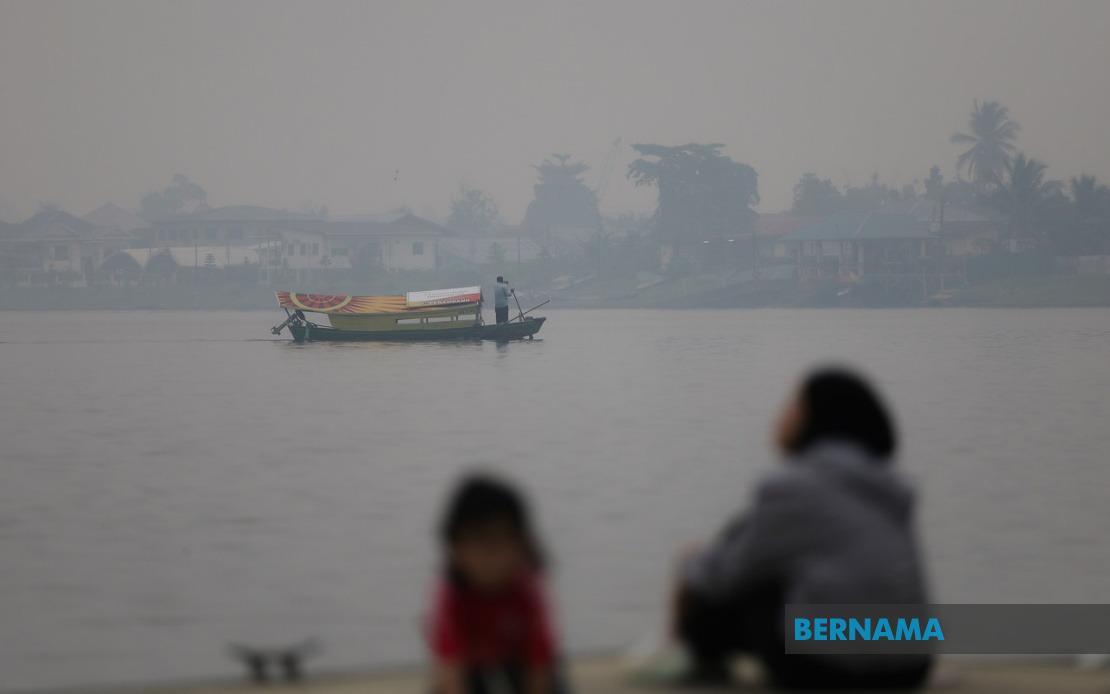
Sarawak has emerged as a particular concern area, with three monitoring stations recording hazardous air quality readings that demand immediate intervention. The Serian Police headquarters station registered an API measurement of 412, representing levels deemed hazardous to the general population, while Samarahan recorded 332 and Kuching reached 304, both approaching or exceeding hazardous thresholds. Sri Aman, though relatively lower, still registered a very unhealthy API reading of 228, indicating that the haze phenomenon affects multiple zones across the state with varying intensity levels requiring differentiated response strategies.
These pollution readings carry significant implications for public health and economic activity across affected regions. Hazardous API levels restrict outdoor activities, force school closures, disrupt transportation, and trigger respiratory health complications, particularly among vulnerable populations including children, elderly citizens, and those with pre-existing pulmonary or cardiovascular conditions. The cascading effects extend to tourism, agriculture, manufacturing, and retail sectors, making air quality management a comprehensive economic and social policy imperative rather than a peripheral environmental concern.
The integration of cloud seeding with broader water resource management represents a sophisticated policy response recognising the interconnection between atmospheric conditions, precipitation patterns, and hydrological security. Southeast Asia's vulnerability to seasonal haze episodes, whether originating from transboundary sources or domestic burning practices, demands multilayered mitigation strategies that extend beyond cloud seeding to encompass enforcement of agricultural burning regulations, industrial emissions controls, and regional diplomatic cooperation on shared air sheds. Malaysia's investment in atmospheric intervention technology demonstrates governmental commitment to active crisis management rather than passive acceptance of environmental degradation.
Weather-dependent implementation of cloud seeding operations creates inherent unpredictability in programme outcomes, a reality that government communicators must navigate when explaining atmospheric interventions to public audiences. Even under optimal conditions, cloud seeding represents one tactical element within comprehensive environmental management frameworks rather than a standalone solution capable of resolving complex transboundary haze phenomena. The technique's success hinges on meteorological windows and cloud availability, making it an opportunistic rather than guaranteed intervention modality.
The concurrent focus on both air quality and water security reflects interconnected environmental challenges threatening Malaysia's resource stability. Prolonged heat and reduced precipitation create simultaneous pressures on atmospheric quality and hydrological reserves, with cloud seeding representing an attempt to address both dimensions through artificial precipitation stimulation. This dual-purpose approach maximises the utility of meteorological interventions while acknowledging that water scarcity and air pollution frequently escalate in tandem during extended dry periods, particularly across equatorial regions subject to monsoon variability.
Regional contexts across Sarawak, Kedah, and Perlis each present distinct environmental profiles requiring calibrated intervention strategies. Sarawak's substantial land area and agricultural economy make water scarcity particularly consequential, while peninsular states confront higher population densities and urban water demand concentrations. Tailoring cloud seeding schedules and targeting methodologies to regional characteristics enhances programme coherence and resource allocation efficiency, reflecting evolved governmental understanding of environmental management complexity.
The Deputy Prime Minister's public communication regarding cloud seeding operations indicates official recognition that environmental challenges demand transparent policy dialogue with affected populations. Explaining the rationale, timing, and limitations of atmospheric interventions establishes reasonable public expectations and builds institutional credibility around environmental governance. As Malaysia confronts escalating climate variability and transboundary environmental stresses, sophisticated communication regarding technological responses becomes as important as the technical interventions themselves in sustaining public trust and cooperation.

