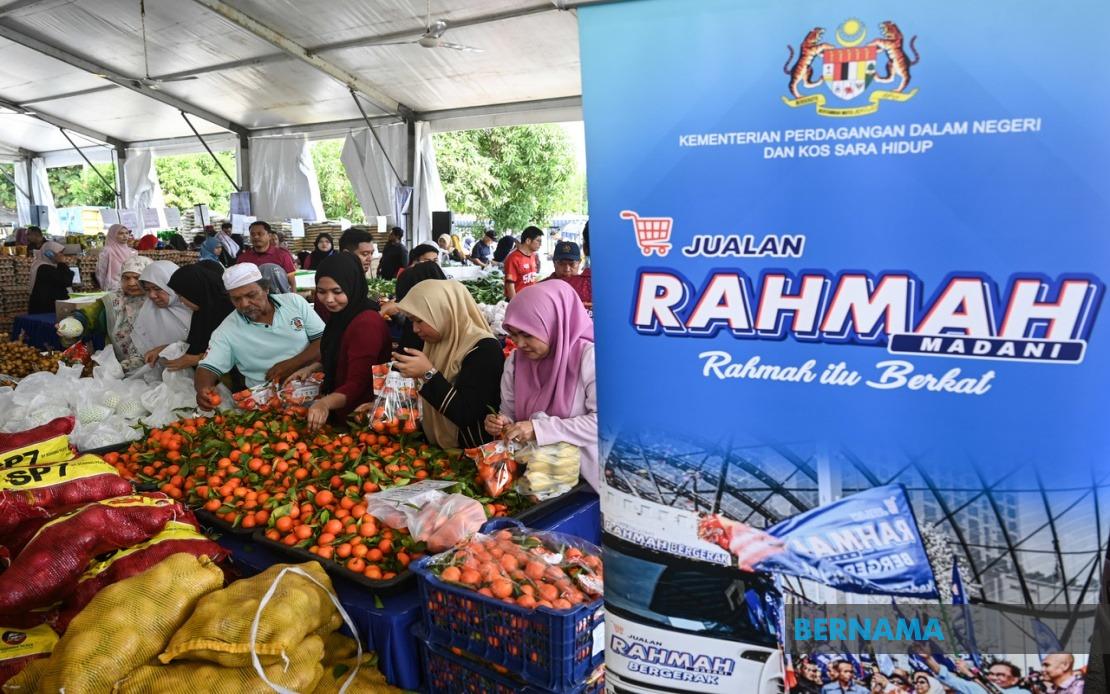
Prime Minister Datuk Seri Anwar Ibrahim has unveiled plans for a significant economic initiative timed to Malaysia Day 2026, announcing that the Ihsan Rahmah 9.9 online sale will commence on September 9 next year. The announcement was made at the TikTok Shop Summit Malaysia in Kuala Lumpur, signalling the government's commitment to integrating digital commerce platforms with consumer welfare programmes during the country's national celebration period.
The online format represents a notable evolution for the Ihsan Rahmah programme, which has traditionally operated through physical retail channels. By taking the initiative into the digital space for the first time, the government seeks to expand accessibility and reach across Malaysia's increasingly digital consumer base. This strategic pivot acknowledges the growing prominence of e-commerce in everyday shopping habits, particularly among younger demographics and those in areas with limited brick-and-mortar retail presence. The timing of the launch just before Malaysia Day positions the sale as a patriotic economic gesture, framing affordable goods access as part of national celebration and inclusive governance.
Anwar positioned the sale as comprehensive governmental support directed at the nation's 34.5 million citizens, emphasizing that the initiative represents far more than a simple shopping promotion. Rather, he characterized it as an expression of unified national commitment to improving living standards across all demographic segments. This rhetorical framing connects economic management directly to national identity and purpose, suggesting that enabling affordable access to daily necessities constitutes a fundamental government responsibility tied to nation-building.
The Ihsan Rahmah programme itself operates under the purview of the Ministry of Domestic Trade and Cost of Living, offering essential goods at significant discounts ranging from 10 to 30 per cent below regular retail prices. Products covered typically include food staples, household items, and other daily necessities critical to household budgets. The expansion into the online domain represents the ministry's recognition that cost-of-living pressures remain a salient concern for Malaysian consumers despite improvements in macroeconomic indicators.
Anwar's remarks during the TikTok summit underscored a philosophical position that economic growth alone proves insufficient without parallel improvements in citizens' quality of life. He stressed that strong economic figures must be accompanied by tangible efforts addressing living costs, education access, healthcare provision, basic infrastructure development, and overall wellness. This framing suggests that the government views consumer purchasing power and access to affordable essentials as integral components of economic success rather than peripheral social support measures.
The launch commanded significant governmental attention, with multiple cabinet ministers present including Communications Minister Datuk Seri Fahmi Fadzil, Entrepreneur and Cooperative Development Minister Steven Sim Chee Keong, and Domestic Trade and Cost of Living Minister Datuk Armizan Mohd Ali. This high-level participation demonstrates inter-ministerial coordination in executing the initiative and reflects its prioritization within the current administration's policy agenda. The presence of the Communications Minister particularly signals recognition of the digital and promotional dimensions required for successful online campaign rollout.
The government's emphasis on widespread promotion of the sale indicates awareness that mere availability of discounted goods proves insufficient without robust marketing and information dissemination. Officials expressed hope that extensive publicity efforts would ensure maximum Malaysian participation and utilization of the offers. This attention to awareness-building reflects lessons from previous retail promotion cycles and acknowledgment that consumer engagement requires active outreach, particularly across diverse demographic groups with varying digital literacy levels.
The integration of the Ihsan Rahmah sale with Malaysia Day celebrations carries symbolic weight beyond commercial considerations. National holidays frequently serve as platforms for government messaging about societal priorities and national values. By synchronizing an affordability-focused initiative with Malaysia Day, the government explicitly links economic inclusion and cost-of-living relief to national unity and shared prosperity—framing these objectives as central to what Malaysia Day represents.
From a regional perspective, Malaysia's approach to combining digital commerce infrastructure with consumer welfare programmes offers a model potentially of interest to other Southeast Asian nations grappling with post-pandemic inflation and cost-of-living pressures. The deployment of established e-commerce platforms like TikTok Shop for government-sponsored initiatives demonstrates creative adaptation of private-sector commercial infrastructure to public welfare objectives.
The online format also presents logistical advantages worth considering. Digital transaction infrastructure allows real-time inventory management, demand tracking, and supply chain coordination across the country's diverse geography more efficiently than coordinating numerous physical locations. These operational efficiencies can potentially expand the range of participating merchants and available products compared to traditional Rahmah sale operations.
For Malaysian consumers, particularly those in lower income brackets for whom cost-of-living pressures remain acute, the September 2026 sale timing offers practical value by coinciding with a public holiday period when many citizens have time for shopping. The online accessibility also benefits those unable to travel to physical sale locations due to geographical distance, mobility limitations, or time constraints associated with employment or caregiving responsibilities.
The announcement also reflects broader government recognition that digital commerce represents an increasingly important channel for both retail activity and policy implementation. By engaging e-commerce platforms and digital infrastructure in welfare-oriented initiatives, the government demonstrates alignment with contemporary consumer behaviour patterns while simultaneously leveraging private-sector technological capabilities for public interest objectives.
Looking ahead to September 2026, the success of Ihsan Rahmah 9.9 will likely depend on factors including stable product availability, competitive pricing negotiations with participating merchants, smooth digital payment infrastructure, and effective customer service support. These operational dimensions will ultimately determine whether the initiative achieves its stated objectives of providing meaningful relief to Malaysian household budgets during a national celebration period.

