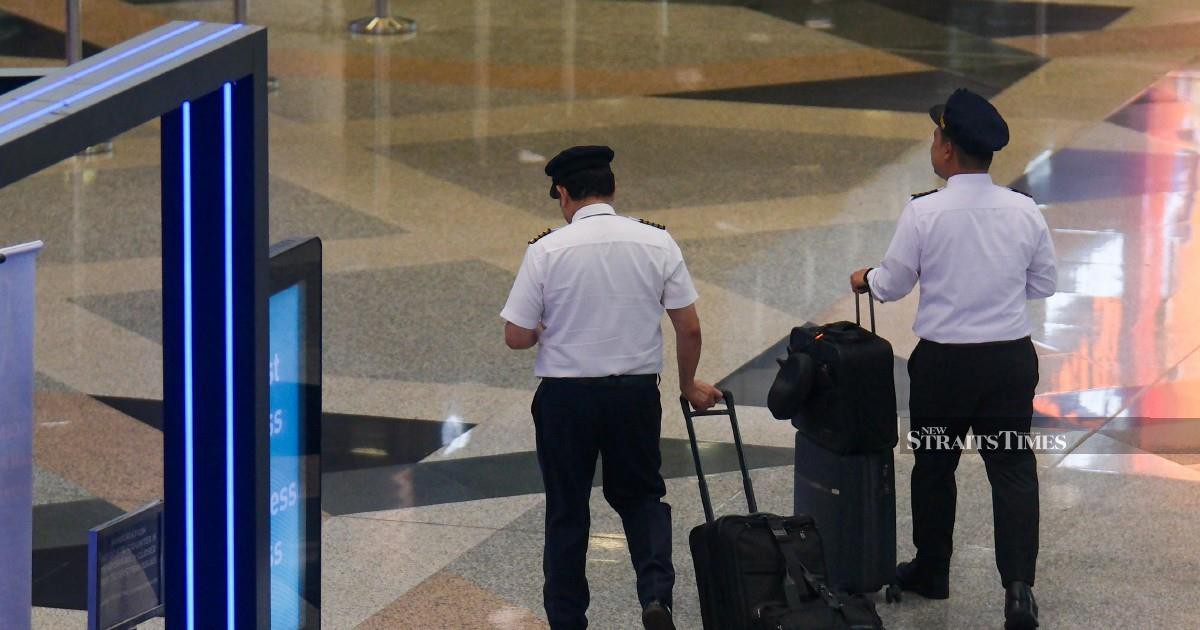
Malaysia Corruption Watch (MCW) has redirected attention in the investigation surrounding a pilot arrested with drugs in Indonesia, urging authorities to prioritise identifying systemic vulnerabilities at Kuala Lumpur International Airport (KLIA) rather than concentrating exclusively on assigning institutional fault. The watchdog's intervention signals a shift toward preventive measures and structural accountability as the most productive avenue for the inquiry.
The arrest of a commercial pilot discovered carrying narcotics while travelling through Indonesia has raised uncomfortable questions about the effectiveness of screening mechanisms and oversight procedures at Malaysia's primary international gateway. MCW's stance reflects growing concern that investigative energy focused narrowly on determining which agency bears responsibility may inadvertently obscure the underlying deficiencies that permitted such a breach in the first place.
Security protocols at major international airports typically involve layered checks coordinated across multiple agencies, from customs and immigration to aviation authorities. In Malaysia's case, KLIA operates under a complex governance structure involving several stakeholders. MCW's emphasis on examining these systemic components rather than seeking scapegoats suggests that institutional finger-pointing risks missing the substantive reforms necessary to prevent similar incidents.
The watchdog's recommendation carries particular weight given Malaysia's ongoing efforts to strengthen its anti-corruption credentials and improve governance standards. International aviation security norms have become increasingly stringent following decades of security incidents, and airports worldwide face mounting expectations to demonstrate robust screening capabilities. For KLIA, which handles millions of passengers annually and serves as a crucial hub for Southeast Asian connectivity, any security gaps carry implications extending beyond national borders.
Pilots occupy a unique position within airport security frameworks, often subject to less rigorous personal screening than passengers, operating under assumptions of institutional vetting conducted by their employers. This trust-based system, while operationally efficient, can create blind spots if the verification processes employed by airlines and aviation authorities lack adequate oversight or fail to detect behavioural changes or vulnerability to external pressure. MCW's focus on systemic review suggests examination of whether existing protocols for monitoring airline personnel remain fit for contemporary risk environments.
The investigation's scope will likely encompass training adequacy among security personnel, the functionality of screening equipment, inter-agency communication protocols, and the clarity of reporting mechanisms when suspicious activity is detected. International best practices increasingly emphasise that security effectiveness depends not merely on equipment sophistication but on the human components—awareness levels, decision-making frameworks, and organisational cultures that prioritise security compliance.
For Malaysian readers, the case underscores how individual criminal acts can expose institutional vulnerabilities affecting national security and reputation. Drug trafficking networks increasingly attempt to utilise commercial aviation and trusted personnel to move contraband, and the case demonstrates that no professional category is immune to infiltration. MCW's intervention reflects understanding that addressing such challenges requires moving beyond reactive responses to individual incidents toward proactive strengthening of systemic safeguards.
The regional dimension also merits consideration. Indonesia's role in discovering the drugs underscores the interconnected nature of Southeast Asian security challenges and the importance of bilateral cooperation. However, the initial detection occurring in Indonesia rather than at Malaysia's own departure screening raises questions requiring serious scrutiny—questions that extend beyond simple agency accountability to encompass institutional capacity and procedural effectiveness.
MCW's advocacy for systems-focused investigation aligns with international governance principles emphasising that corruption and security breaches ultimately reflect organisational weaknesses rather than simply individual failings. While personal accountability remains important, institutional reform addresses root causes more comprehensively. For KLIA and the Malaysian aviation sector, such investigation could yield recommendations spanning technological upgrades, procedural refinements, training enhancements, and inter-agency coordination improvements.
The pathway forward likely involves establishing an independent technical review examining KLIA's security architecture against international standards and best practices. Such review should engage relevant stakeholders—airport operators, security agencies, and international aviation bodies—to ensure findings remain objective and actionable. Malaysia's credibility in managing one of Asia's busiest airports depends partly on demonstrating commitment to such comprehensive examination.
Beyond the immediate investigation, MCW's emphasis points toward broader imperatives for Malaysian institutions managing critical infrastructure. Security and anti-corruption efforts prove most effective when framed not as finding blame but as opportunities to strengthen systems. For KLIA, transforming this incident into catalyst for institutional improvement could reinforce its standing as a professionally managed international aviation gateway while simultaneously addressing genuine operational vulnerabilities.
The investigation's ultimate value will be measured not in which agency faces consequences, but in whether it produces concrete recommendations that demonstrably enhance security effectiveness. MCW's intervention, by insisting on this systemic perspective, may prove as significant as the investigation itself in determining whether the incident becomes merely another case file or a genuine turning point for airport security governance in Malaysia.

