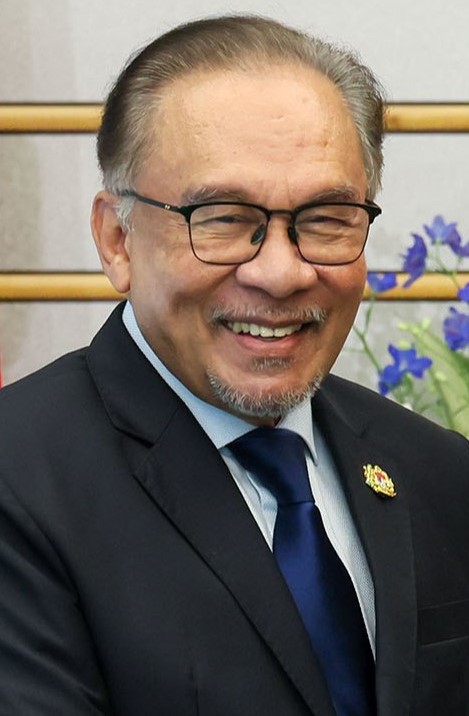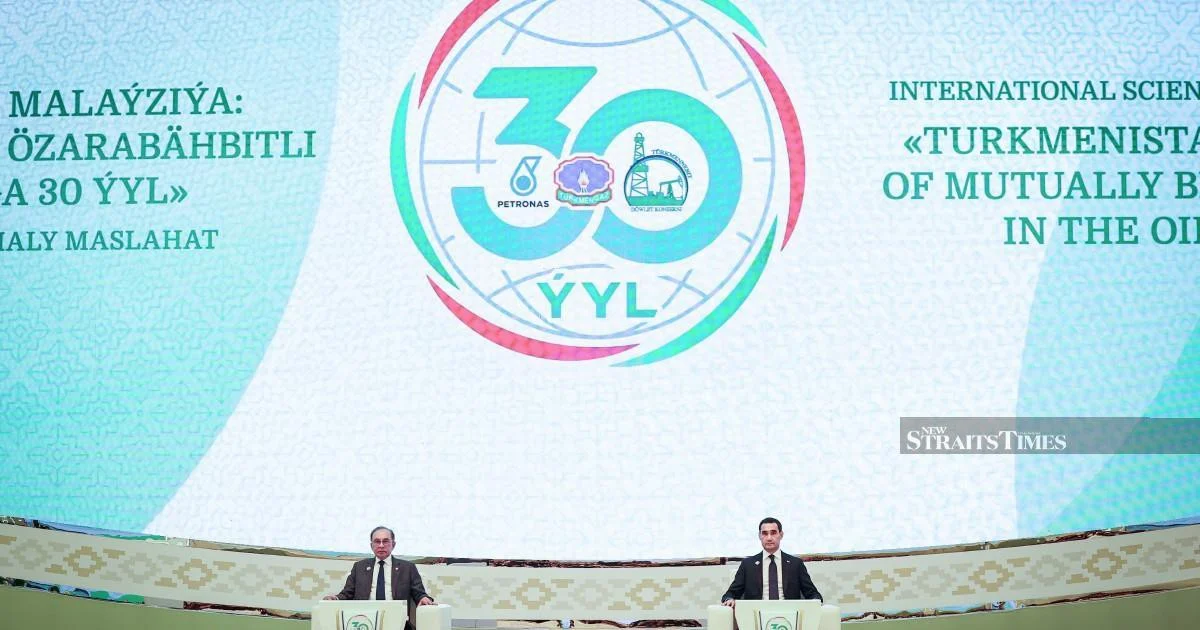
Prime Minister Datuk Seri Anwar Ibrahim's latest diplomatic tour through Russia and Turkmenistan represents a pivotal moment for Malaysia's energy security strategy, with substantial agreements emerging from both nations that could reshape the country's hydrocarbon landscape over the coming decade. The high-level visits underscore a deliberate effort by Kuala Lumpur to expand beyond traditional suppliers and establish deeper economic relationships with key producers in Eurasia, a region increasingly important to Southeast Asian energy independence.
Malaysia's energy sector has long grappled with the challenge of meeting domestic demand while maintaining fiscal sustainability. With domestic oil and gas reserves facing inevitable depletion, the nation has grown more reliant on imports and liquefied natural gas shipments from established partners. The recent agreements signal a strategic recalibration, positioning Malaysia to access energy resources through alternative pathways that could insulate the economy from supply disruptions or price volatility in traditional markets. This diversification effort carries profound implications not only for energy consumers and industrial users domestically, but also for Malaysia's broader geopolitical positioning within Asia.
Russia, despite international sanctions and geopolitical tensions with Western nations, remains one of the world's largest oil and natural gas exporters with substantial spare capacity. Moscow has actively pursued deeper engagement with Asian markets as European demand has contracted. For Malaysia, forging closer commercial ties with Russian energy entities presents an opportunity to secure long-term supply contracts potentially at competitive terms, particularly if structured through regional trading hubs or via third-country arrangements that navigate existing international frameworks. The partnership could extend beyond simple purchase agreements to encompass technology transfer, joint ventures in downstream sectors, and cooperative research initiatives.
Turkmenistan holds particular strategic significance as Central Asia's dominant natural gas producer and a pivotal supplier to regional markets. The Central Asian nation possesses the world's fourth-largest proven natural gas reserves and has consistently sought to diversify its customer base beyond Russia and China. Malaysia's strengthened relationship with Ashgabat opens pathways to accessing Caspian Sea resources, either through direct long-term contracts or by participating in larger regional energy infrastructure projects. The timing proves opportune, as Turkmenistan simultaneously pursues infrastructure expansion to reach new markets, creating mutual interest in establishing durable commercial partnerships.
For Malaysian investors and downstream industries, these diplomatic breakthroughs carry tangible economic implications. Petrochemical manufacturers, power generation facilities, and heavy industrial operations dependent on stable energy inputs stand to benefit from diversified supply sources and potentially more flexible pricing structures. Small and medium enterprises in energy-intensive sectors could gain competitive advantages through improved input cost predictability. The agreements also signal investor confidence in Malaysia's ability to navigate complex international relationships and secure critical resources, potentially attracting foreign capital to energy-dependent manufacturing clusters.
The geopolitical dimension deserves careful consideration. Malaysia's balancing act between major powers—maintaining strong ties with the United States and Western-oriented ASEAN neighbours while deepening engagement with Russia and China—reflects the country's pragmatic approach to international relations. These energy partnerships do not represent an abandonment of existing relationships but rather a natural evolution reflecting Malaysia's legitimate national interests and resource requirements. The approach aligns with broader Southeast Asian practice of strategic autonomy, where nations pursue partnerships based on mutual benefit rather than ideological alignment.
Central Asia itself remains under-explored territory for Malaysian business interests. Beyond energy, these relationships could catalyse broader commercial expansion into telecommunications, infrastructure development, and manufacturing. Malaysian companies possess competitive advantages in sectors such as palm oil derivatives, electronics, and financial services that could find receptive markets in Turkmenistan and potentially Russia's Asian regions. The diplomatic opening thus extends beyond hydrocarbons to encompass comprehensive economic engagement.
The Russian and Turkmenistani visits also underscore Malaysia's commitment to maintaining productive dialogue across ideological and geopolitical divides, a approach increasingly important as the international system becomes multipolar. Neither Russia nor Turkmenistan dominates their respective regions to the extent that requires exclusive allegiance from Malaysian policymakers, allowing Kuala Lumpur to engage substantively without alienating other partners. This calculated diplomacy reflects the maturity of Malaysia's foreign policy establishment and its understanding that energy security cannot be hostage to zero-sum geopolitical rivalries.
Immediate implementation timelines remain unclear from public announcements, though both nations signalled serious intent through official statements and ministerial-level engagement. The agreements likely encompass foundational frameworks requiring subsequent technical negotiations, regulatory approvals, and infrastructure development before physical energy flows materialize. Malaysian officials must now navigate the complex process of translating diplomatic agreements into commercial reality, a transition requiring coordination across government agencies, state-owned enterprises, and private sector stakeholders.
Longer term, these partnerships position Malaysia as an attractive destination for downstream energy industries precisely because the nation can now offer greater supply security and cost predictability. Petrochemical complexes, manufacturing hubs, and power facilities considering regional location decisions may favour Malaysian sites if energy cost differentials narrow through diversified sourcing. The cumulative effect of these agreements could gradually shift Malaysia's economic trajectory within Southeast Asia's energy landscape.
Prime Minister Anwar Ibrahim's diplomatic achievements in Russia and Turkmenistan merit recognition as strategic successes grounded in clear national interest calculations. The visits demonstrate Malaysian leadership's capacity to engage effectively with distant powers, negotiate from strength despite the nation's smaller size, and translate diplomatic capital into tangible economic benefits. As energy markets globally continue evolving and supply chains reorganise, Malaysia's newly deepened ties with these producers provide crucial flexibility for navigating an uncertain future.