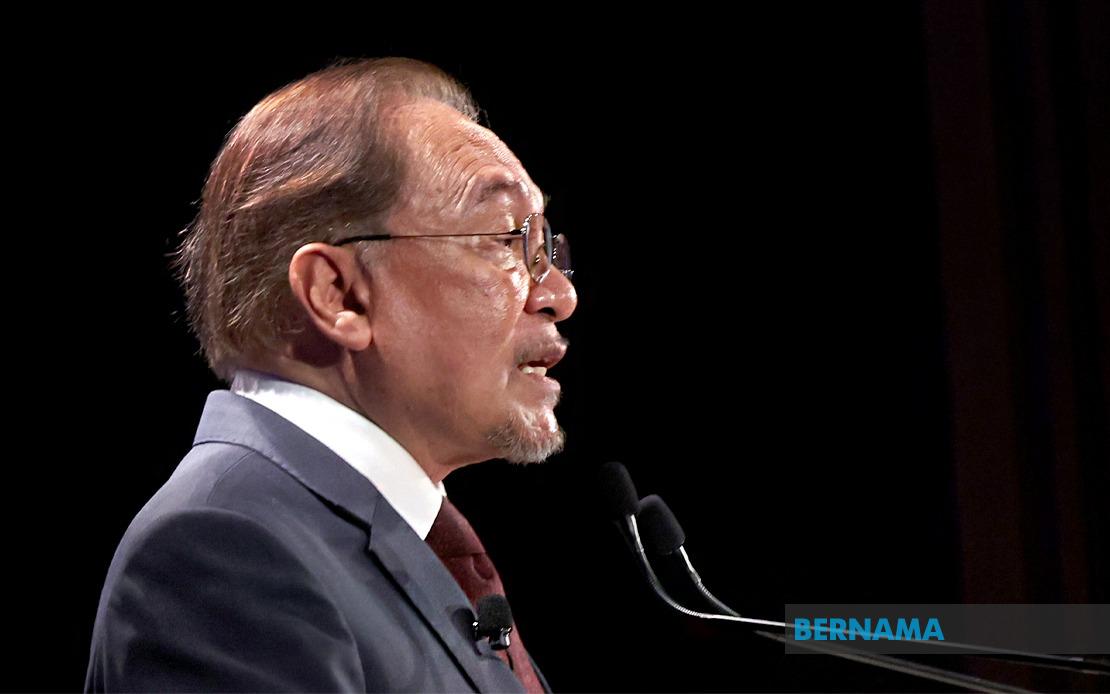
Malaysia has expressed support for the nascent understanding between the United States and Iran designed to de-escalate months of heightened regional tension, while acknowledging the diplomatic contributions of Gulf states, Türkiye, Pakistan and other intermediaries in brokering the initial memorandum of understanding. Prime Minister Datuk Seri Anwar Ibrahim articulated this position during his keynote address at the 39th Asia-Pacific Roundtable, a three-day forum organised by the Institute of Strategic and International Studies (ISIS) Malaysia that concluded on July 2.
The Malaysian government's cautious welcome reflects an understanding that the agreement represents only a fragile opening in what remains a deeply contested relationship. Anwar explicitly cautioned that the prospects for sustained peace are vulnerable to disruption, suggesting that without careful management and good faith from all parties, the understanding could easily unravel. This sober assessment carries weight coming from a Southeast Asian leader whose nation has long advocated for multilateral engagement and dialogue as tools for resolving international disputes.
Central to Malaysia's concerns is the implementation and enforcement of all ceasefire provisions, which must now become an immediate and non-negotiable priority for the international community. The Prime Minister stressed that the technical aspects of the agreement—including verified compliance mechanisms and transparent reporting—cannot be treated as secondary considerations. Rather, they form the bedrock upon which any durable settlement must rest, and their neglect could rapidly trigger escalation cycles reminiscent of previous standoffs in the region.
Equally pressing in Anwar's assessment is the restoration of full commercial traffic through the Strait of Hormuz, one of the world's most strategically vital maritime chokepoints. Prior to the hostilities, this corridor handled approximately one-fifth of global oil supplies, making its closure or disruption a powerful lever affecting energy markets worldwide. The reopening of Hormuz to unrestricted international shipping has therefore assumed the status of an urgent strategic objective rather than a mere commercial convenience.
The economic rationale underlying Malaysia's emphasis on these practical outcomes is compelling and directly relevant to Southeast Asian prosperity. Anwar articulated a powerful case for why the region cannot afford prolonged instability in the Middle East, noting that elevated food and energy prices persist as countries attempt to secure their supply chains against future disruptions. These inflated costs are not abstract macroeconomic indicators but rather immediate threats to household budgets and economic competitiveness across Southeast Asia.
The opportunity costs of regional tension extend far beyond pricing pressures. Anwar highlighted that vast sums of capital that ought to be deployed toward social development, education, healthcare and infrastructure have instead been diverted toward purchasing essential goods at inflated prices or maintaining strategic reserves. For developing economies in Southeast Asia and the broader region, this represents a substantial drain on resources that could otherwise accelerate poverty reduction and raise living standards for vulnerable populations.
Qatar's reported statement that Iran and the United States achieved "positive progress" during indirect negotiations concluded on Wednesday suggests that the backchannel diplomacy has produced measurable results, at least in narrowing some of the most immediate sources of friction. The focus of these talks on the Strait of Hormuz aligns precisely with international concerns about maritime security and energy security, indicating that negotiators have prioritised the most economically consequential issues.
For Malaysia specifically, the stability of the Strait of Hormuz carries particular significance given the region's dependence on stable oil supplies and the vulnerability of Southeast Asian economies to energy price shocks. Any sustained closure or militarisation of this waterway would immediately disrupt the region's economic activities, from manufacturing to transportation to power generation. The recovery of normal shipping patterns therefore represents not a peripheral benefit but a core Malaysian national interest.
The role of intermediaries such as Qatar, Pakistan and Türkiye in facilitating these talks deserves emphasis as a vindication of Malaysia's long-standing commitment to multilateral problem-solving and the convening power of respected regional actors. These nations' willingness to invest diplomatic capital in reducing tensions demonstrates that even in deeply polarised situations, patient negotiation involving trusted third parties can produce incremental progress. This model of quiet diplomacy through trusted channels offers potential lessons for other regional disputes.
Anwar's remarks at the Asia-Pacific Roundtable situate Malaysia within a broader conversation about how developing nations in the region understand and respond to strategic developments beyond their borders. By framing the US-Iran understanding through the lens of economic impact on ordinary citizens, the Prime Minister connected distant geopolitical calculations to tangible concerns affecting Malaysian households and businesses. This rhetorical strategy reinforces the argument that regional stability serves not as an abstract ideal but as a prerequisite for economic wellbeing.
Looking ahead, Malaysia's cautious optimism will likely hinge on demonstrable implementation of the agreement's terms and observable improvements in regional security. Any backsliding or renewed confrontation would swiftly erode the tentative gains represented by the current understanding. The international community, particularly important actors like Malaysia, will maintain close monitoring of compliance and be prepared to support further diplomatic initiatives should the current understanding face pressure.

