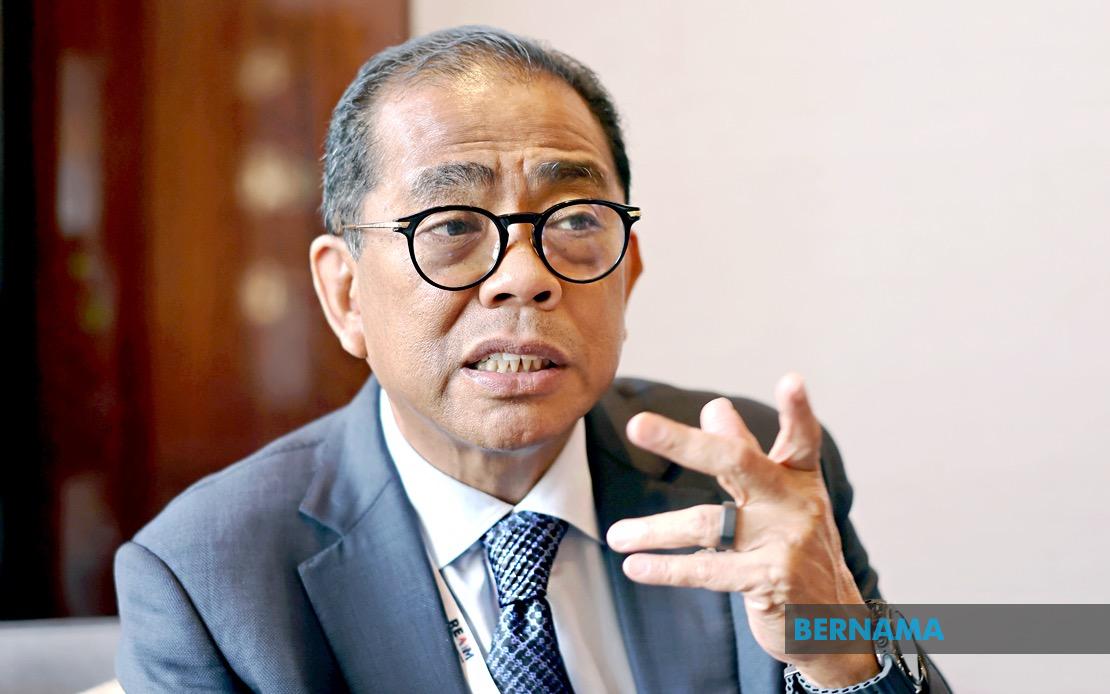
Malaysia and Vietnam have recommitted themselves to deepening their defence relationship as both nations navigate complex regional security dynamics and strategic competition in Southeast Asia. The pledge emerged during a bilateral meeting between Malaysian Defence Minister Datuk Seri Mohamed Khaled Nordin and Vietnamese Minister of National Defence Gen Phan Van Giang, held as part of Mohamed Khaled's two-day official visit to Vietnam. The renewed emphasis on military partnership comes at a time when regional powers are carefully calibrating their defence strategies and diplomatic postures across the Indo-Pacific.
The scope of cooperation between Kuala Lumpur and Hanoi extends across multiple domains reflecting contemporary security concerns. Both defence chiefs explored opportunities in joint military training programmes, sharing of intelligence assessments, and enhanced maritime domain awareness capabilities. Additionally, the discussions encompassed emerging operational areas such as submarine rescue operations, artificial intelligence integration into defence systems, and collaboration within the defence manufacturing sector. These diverse areas of engagement suggest a maturing bilateral relationship that moves beyond traditional military exercises toward technological collaboration and capacity-building initiatives suited to 21st-century security challenges.
Mohamed Khaled specifically proposed strengthening the institutional framework governing bilateral cooperation through the High-Level Committee, seeking to ensure that military initiatives are systematically coordinated and efficiently executed. This institutional emphasis reflects lessons learned from other successful defence partnerships in the region, where robust governance structures prevent initiatives from stalling or becoming symbolic without meaningful implementation. By professionalising the management architecture, both nations appear intent on moving from rhetorical commitment to substantive operational coordination.
The discussions also addressed a critical security matter that has occupied ASEAN capitals for years: managing tensions and activities in the South China Sea. Mohamed Khaled reiterated Malaysia's position that regional peace hinges on sustained dialogue, diplomatic engagement, and adherence to international legal frameworks. Both nations expressed support for concluding an effective Code of Conduct that would establish clearer operational guidelines and reduce misunderstandings among claimant states. For Malaysia, which shares maritime boundaries and competing claims in the disputed waters, such diplomatic coordination with Vietnam—another affected nation—holds particular strategic value.
Beyond bilateral considerations, Mohamed Khaled emphasised ASEAN's collective role in anchoring regional stability through unity and strategic autonomy. Malaysia's insistence on ASEAN Centrality reflects broader concerns among member states about external powers circumscribing their agency in addressing intra-regional disputes. By maintaining cohesion on foundational principles, ASEAN seeks to preserve its negotiating position and ensure that mechanisms for conflict resolution remain within regional hands rather than being supplanted by great power interventions.
The formal basis for this defence relationship stems from the Memorandum of Understanding on Defence Cooperation signed on November 4, 2023, establishing a mutual legal framework for expanded military engagement. This earlier agreement serves as the scaffolding upon which both nations are constructing more elaborate cooperative arrangements. Mohamed Khaled's visit, which included a courtesy call on Vietnamese Prime Minister Le Minh Hung, underscored the high-level political commitment accompanying defence ministry initiatives. Such ministerial-level engagement ensures that defence cooperation receives appropriate political backing and integrates with broader foreign policy objectives.
The visit further addressed practical dimensions of military cooperation, particularly technical training and maritime security strengthening. Both defence establishments recognised that professionalising officer corps through coordinated training programmes enhances interoperability and mutual understanding during joint operations or humanitarian missions. Maritime security cooperation holds especial significance given that both nations depend heavily on sea lanes for economic sustenance and face common threats including piracy, human trafficking, and environmental degradation.
From Malaysia's perspective, the Vietnam engagement forms part of a deliberate strategic initiative outlined in the National Defence Strategic Plan 2026-2030, which prioritises strengthening international defence relations as a core pillar of national sovereignty protection. This strategic planning document signals Malaysian policymakers' conviction that robust bilateral defence relationships contribute meaningfully to deterrence and regional stability. The Defence White Paper accompanying this strategic plan emphasises what officials term Competent Partnership, suggesting defence cooperation should yield demonstrable capability improvements rather than serving merely diplomatic or ceremonial functions.
The emphasis on multilateral platforms such as the ASEAN Defence Ministers' Meeting (ADMM) and ADMM-Plus indicates that bilateral Malaysia-Vietnam cooperation exists within and reinforces a broader regional architecture. Both nations reaffirmed commitment to ensuring these platforms remain effective and relevant, acknowledging that such forums provide venues for addressing transnational threats including terrorism, trafficking, and disaster response. The multilateral dimension prevents bilateral relationships from becoming zero-sum competitions and instead channels them toward collective security provision.
For Malaysian and Southeast Asian observers, the Malaysia-Vietnam defence deepening represents rational adaptation to an increasingly complex security environment. Neither nation possesses the military capacity to manage regional security challenges unilaterally, making partnership both economically efficient and strategically prudent. The focus on emerging areas like artificial intelligence and defence industry collaboration suggests both nations recognise that future military advantage will depend on technological sophistication and industrial capacity, not merely on traditional force structure metrics.
The bilateral engagement also carries implications for ASEAN's internal cohesion and external positioning. Vietnam and Malaysia represent two of ASEAN's more assertive voices on maritime security and Code of Conduct negotiations, and their closely aligned positions strengthen the grouping's collective negotiating stance. However, maintaining such unity requires continuous dialogue and demonstration that cooperation serves all ASEAN members' interests rather than privileging particular claimant states.
Looking forward, the success of Malaysia-Vietnam defence cooperation will depend on translating high-level commitments into operational reality. Joint exercises, training exchanges, and intelligence sharing must occur regularly and produce tangible professional benefits for participating military personnel. The establishment of institutional mechanisms like the High-Level Committee suggests both nations recognise this implementation challenge and are attempting to address it proactively. Over the coming years, the depth and consistency of implementation will reveal whether this partnership constitutes a genuine strategic adjustment or remains largely aspirational.

