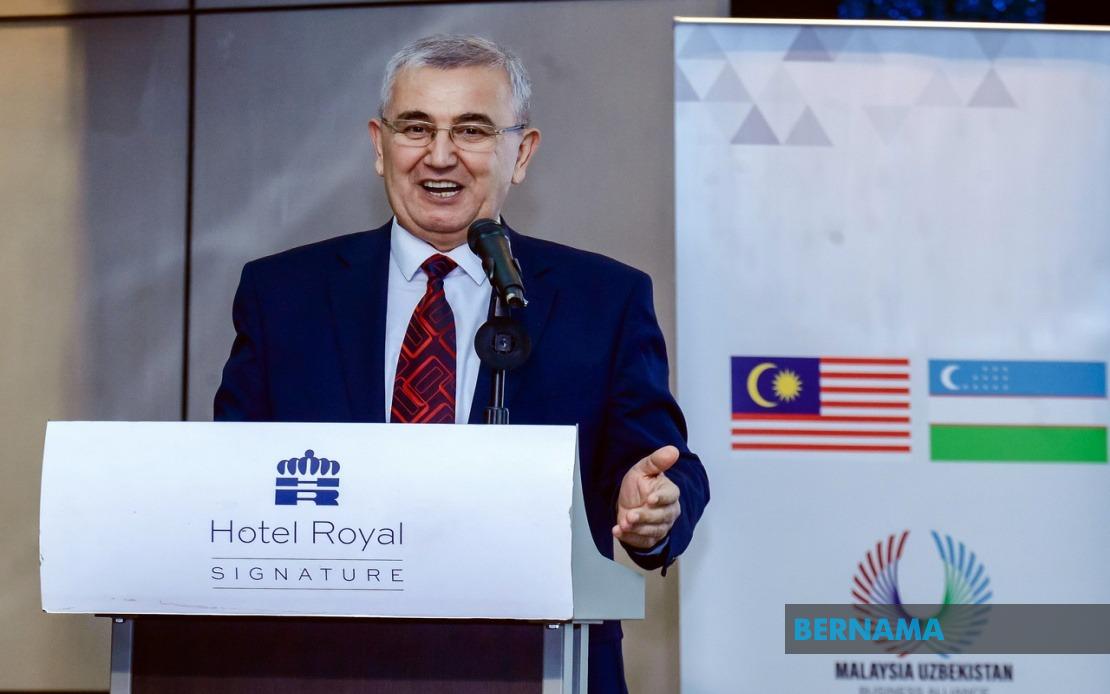
Malaysia and Uzbekistan are poised to forge a more robust agricultural partnership centred on technological innovation and mutual food security concerns, according to Uzbekistan's envoy to Malaysia. The two nations see significant scope to leverage complementary strengths in farming practices, advanced agricultural systems, and sustainable production methods that could reshape food supply chains across Central Asia and benefit consumers throughout the region.
Ambassador Dr Karomidin Gadoyev emphasised that agriculture has remained a consistent priority in high-level bilateral exchanges between the two governments, underscoring its importance beyond mere economic transactions. The sector featured prominently during Prime Minister Datuk Seri Anwar Ibrahim's visit to Uzbekistan in May 2024 and President Shavkat Mirziyoyev's earlier visit to Malaysia in February. This sustained political engagement signals genuine commitment to developing concrete agricultural partnerships rather than pursuing superficial trade agreements.
The momentum accelerated following Agriculture and Food Security Minister Datuk Seri Mohamad Sabu's recent official visit to Uzbekistan, which opened fresh avenues for practical collaboration. This ministerial engagement created institutional pathways for implementing strategies discussed at the leadership level, translating diplomatic intent into tangible projects and operational frameworks that can deliver measurable results for farmers and food producers in both nations.
Malaysia brings substantial expertise in paddy production systems, aquaculture operations, fisheries management, precision farming techniques, and agricultural research infrastructure—areas where Malaysian institutions have developed world-class capabilities. Uzbekistan, conversely, offers proven competence in water-efficient irrigation systems, fruit and vegetable cultivation, and agri-food processing technologies suited to Central Asian climates and conditions. This complementarity creates genuine opportunities for knowledge exchange rather than mere commercial transactions.
Both nations recognise that digital transformation and artificial intelligence represent critical tools for enhancing agricultural productivity while addressing global food security anxieties. Smart farming technologies can optimise resource use, predict crop yields, and identify disease patterns before they devastate harvests. Uzbekistan views Malaysian experience as essential for implementing these innovations effectively, with the ambassador stressing that technological adoption will yield transformative improvements in agricultural output and resilience across diverse farming sectors.
Practical collaboration is already advancing on multiple fronts. The Malaysian Agricultural Research and Development Institute (MARDI) is engaging with Uzbek counterparts to develop agricultural innovations tailored to regional conditions, while Malaysian drone manufacturer Miracule has established its first agricultural equipment showroom in Uzbekistan. Plans now include expanding drone usage across Uzbek farming regions and assembling advanced agricultural technology domestically, creating local employment whilst building indigenous technical capabilities.
Aquaculture emerges as particularly promising given Uzbekistan's geography and demographic trends. As a double-landlocked nation with a growing population approaching 40 million, Uzbekistan faces rising seafood demand that local production cannot adequately satisfy. Malaysian companies have pioneered biofloc technology, which reduces feed expenses by up to 30 per cent whilst increasing productivity and lowering overall production costs—advantages directly applicable to Uzbek shrimp farming and fisheries development. Malaysian investors are already exploring commercial opportunities in aquaculture projects across the country.
Current agri-food trade between the nations totalled over RM338 million in 2025, with Malaysian palm oil and palm-based products dominating export flows. However, both governments view this figure as representing only a fraction of potential bilateral commerce. They project opportunities to double or treble agri-food trade volumes within the next five to ten years through strategic positioning and market development. Malaysia could establish Uzbekistan as a regional processing hub for crude palm oil destined for Central Asian distribution networks, whilst Uzbek companies gain access to Malaysian market channels for premium fresh fruits, dried produce, and processed food items.
This vision of mutual complementarity extends beyond conventional trade patterns. By combining Malaysian technological innovation with Uzbekistan's extensive agricultural experience, the partnership can create solutions specifically adapted to Central Asian conditions and supply chains. Such collaboration generates spillover benefits throughout the region, potentially attracting investment from neighbouring countries seeking advanced farming methods and establishing Uzbekistan as a hub for agricultural technology adoption across Central Asia.
International trade shows provide crucial platforms for deepening these connections. Uzbekistan's participation in Malaysia Agriculture, Horticulture and Agrotourism Exhibition (MAHA) 2026 will introduce Uzbek agricultural products, premium fruits, and processed foods to Malaysian businesses and consumers whilst building awareness of investment opportunities in Central Asian agriculture. Such exhibitions facilitate networking, demonstrate technological capabilities, and generate commercial leads that convert diplomatic intention into sustained business relationships.
The partnership reflects broader recognition that food security transcends national borders in an interconnected global economy. By developing complementary agricultural sectors, Malaysia and Uzbekistan can contribute to regional stability and prosperity whilst demonstrating how technology transfer and knowledge exchange create mutual benefits exceeding what either nation could achieve independently. This model holds lessons for other regional partnerships grappling with food security challenges.

