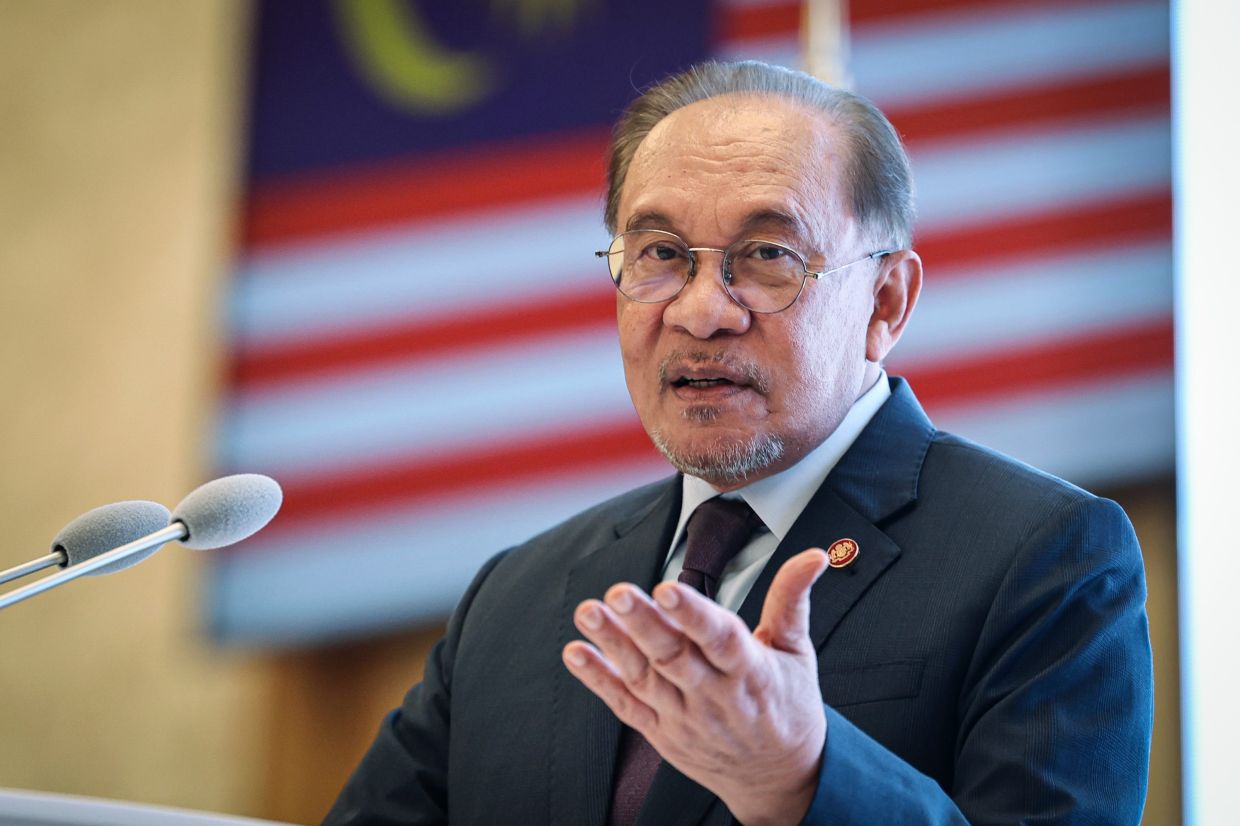
Prime Minister Datuk Seri Anwar Ibrahim has signalled that the long-anticipated master plan for the Johor-Singapore Special Economic Zone will reach completion in the coming months, representing a significant milestone in one of the region's most strategically important bilateral initiatives. The announcement came during a courtesy meeting between Anwar and Singapore President Tharman Shanmugaratnam, who is currently in Malaysia on an official three-day state visit from July 13 to 15 at the invitation of His Majesty Sultan Ibrahim, King of Malaysia.
The JS-SEZ represents a transformative economic corridor designed to leverage the complementary strengths of Malaysia's vast domestic market and resource base with Singapore's advanced financial systems and technological expertise. For Malaysian policymakers, the zone carries particular significance as it positions Johor as a critical growth engine for the southern region whilst deepening economic integration with one of Southeast Asia's most developed economies. The finalisation of a comprehensive master plan would establish clear frameworks for investment, regulatory standards, and infrastructure development across the designated area.
During his conversation with Tharman, Anwar highlighted the tangible momentum building around the JS-SEZ initiative, suggesting that both governments have moved past preliminary discussions toward concrete implementation strategies. The Prime Minister, who holds the concurrent portfolio of finance minister, emphasised that the positive trajectory of the project reflects sustained commitment from both sides to overcome technical and administrative hurdles that often complicate cross-border economic arrangements.
Beyond the immediate JS-SEZ matter, the discussions between Anwar and the Singapore President demonstrated the broader health of Malaysia-Singapore relations at a time when the two neighbours continue navigating complex bilateral issues. The two leaders reaffirmed their shared commitment to resolving outstanding matters through constructive dialogue, signalling that despite occasional tensions, both governments prioritise maintaining stable, productive relations anchored in mutual respect and pragmatic problem-solving.
The meeting itself reflected the diplomatic significance attached to Singapore's state visit. Official visits at this level typically address not only economic partnerships but also security cooperation, cultural exchange, and regional stability concerns. Anwar's emphasis on resolving outstanding issues through "the spirit of mutual respect and understanding that we have jointly agreed upon" suggests both nations have established workable protocols for managing disagreements without allowing them to derail broader cooperation frameworks.
From a Malaysian perspective, accelerating the JS-SEZ master plan carries implications beyond bilateral relations. The project's completion would signal to international investors that the region remains committed to creating stable, transparent business environments despite geopolitical uncertainties. This messaging matters considerably for Malaysia's efforts to attract Foreign Direct Investment, particularly in advanced manufacturing, financial services, and technology sectors where Singapore already holds significant competitive advantages.
The Johor-Singapore corridor has long represented untapped economic potential for Malaysia. Geographically, Johor's proximity to Singapore and its developing logistics infrastructure position it ideally for establishing a integrated production and services hub. By formalising the JS-SEZ through a completed master plan, policymakers aim to unlock private sector investment in transportation networks, warehousing facilities, and administrative infrastructure that would benefit Johor's broader development agenda.
Thematically, Anwar's statement reflects Malaysia's broader strategic orientation under his administration toward deepening regional economic integration whilst maintaining strong bilateral partnerships. The emphasis on finalising the JS-SEZ master plan fits within a wider narrative of positioning Malaysia as a credible, investment-friendly jurisdiction capable of executing complex cross-border projects. This positioning becomes increasingly important as Southeast Asian nations compete for capital flows in an era of shifting global supply chains and geopolitical realignment.
The implicit timeline suggested by Anwar's comments—completion "in the near future"—indicates that both governments have moved beyond foundational discussions and are now addressing the detailed technical specifications, governance structures, and regulatory frameworks that will govern the zone's operations. Such detailed work typically involves extensive coordination between multiple government agencies, private sector stakeholders, and international experts, suggesting that substantial groundwork has already been completed behind the scenes.
Looking forward, the successful finalisation of the JS-SEZ master plan could serve as a template for other regional economic integration projects. Southeast Asia has numerous complementary economies that might benefit from similar frameworks, and a successful Malaysia-Singapore model would demonstrate the feasibility of such arrangements. For Malaysian policymakers, this creates opportunities to position Kuala Lumpur as a leader in innovative regional economic cooperation schemes.
The broader context of Malaysia-Singapore relations, whilst generally cooperative, has occasionally been marked by disagreements over water resources, maritime boundaries, and other bilateral matters. By prominently featuring the JS-SEZ in high-level discussions and reaffirming commitment to its development, both leaders are emphasising the economic interdependence and shared prosperity that bind the two nations together. This strategy helps counterbalance occasional diplomatic friction by demonstrating concrete benefits flowing from cooperation.
Anwar's explicit expression of hope that Malaysia-Singapore relations would be "strengthened based on trust, mutual respect, and shared benefits" underscores an understanding that successful bilateral partnerships require more than transactional arrangements. The emphasis on benefits for "the prosperity and wellbeing of the people of both countries" suggests that Malaysia views the JS-SEZ not merely as a commercial initiative but as a vehicle for improving living standards and creating employment opportunities across Johor and potentially beyond.
The completion of the JS-SEZ master plan represents a critical juncture for Malaysia's economic engagement with Singapore and the broader region. As implementation progresses, Malaysian businesses, particularly those in Johor, should prepare for emerging opportunities in sectors likely to flourish within the zone. Meanwhile, policymakers must ensure that domestic benefits are distributed equitably and that the zone's development complements broader national development priorities rather than creating isolated enclaves of prosperity.

