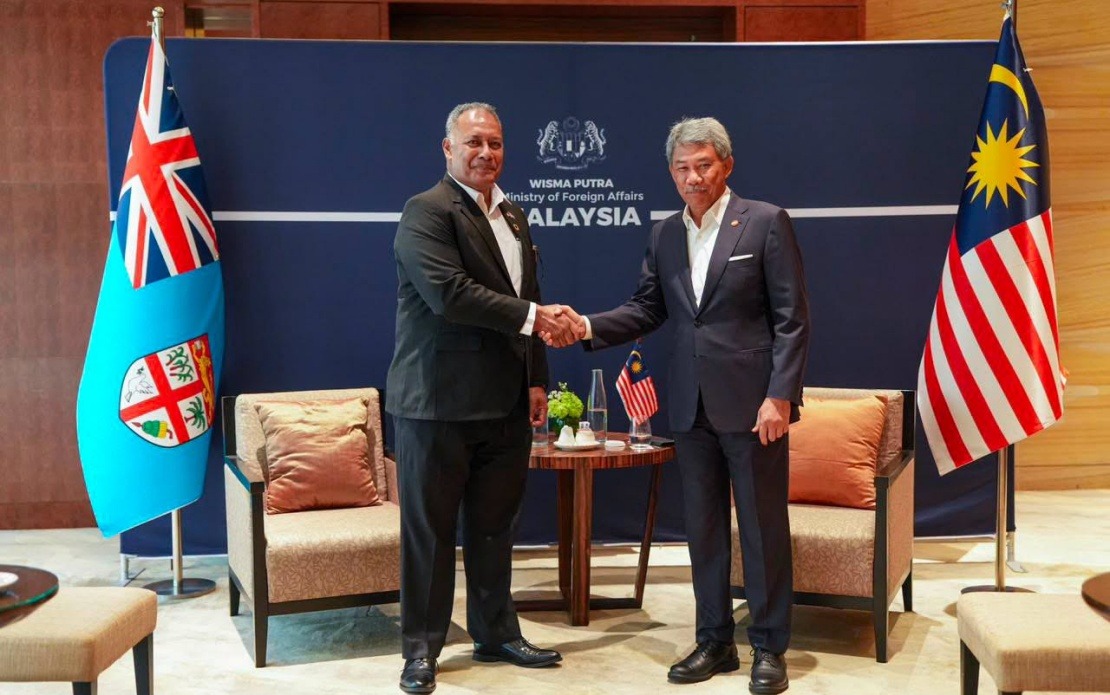
Malaysia and Fiji are moving to elevate their diplomatic partnership, with Foreign Minister Datuk Seri Mohamad Hasan and his Fijian counterpart Sakiasi Raisevu Ditoka identifying multiple sectors for deeper engagement during high-level talks held in Kuala Lumpur. The working visit, which runs through August 12, marks a significant moment for renewed momentum in the relationship, particularly as Fiji formally reopens its High Commission in the Malaysian capital after an extended period of absence.
The bilateral discussions encompassed a broad range of economic and developmental priorities. Mohamad outlined that Malaysia and Fiji are exploring enhanced collaboration in trade and investment flows, human capital development, forestry initiatives, renewable energy projects, and cultural exchange programmes. These sectors reflect both nations' strategic interests in the Indo-Pacific region and their commitment to sustainable development in increasingly climate-conscious times.
The reopening of Fiji's High Commission on Monday signals renewed diplomatic intent from the island nation. This facility, which had been inactive, serves as a tangible emblem of improved relations and provides a dedicated platform for bilateral engagement at the official level. The timing of Ditoka's visit immediately following this reinstatement underscores the symbolic importance of restoring institutional presence in the Southeast Asian hub.
From a trade perspective, the existing bilateral relationship demonstrates modest but measurable economic ties. According to Foreign Ministry data released ahead of the working visit, total bilateral trade reached RM880.01 million in 2025, equivalent to approximately US$206.2 million. Malaysia maintains a significant trade surplus in this relationship, with exports valued at RM867.92 million against imports of just RM12.09 million from Fiji. This imbalance suggests opportunities for Fiji to expand its export base to Malaysia, potentially in agricultural commodities or value-added products aligned with the island nation's resource endowments.
The emphasis on renewable energy cooperation carries particular resonance for both nations. Malaysia, as a regional manufacturing and technology hub, possesses capabilities in clean energy solutions that could support Fiji's transition away from fossil fuel dependence. Conversely, Fiji's extensive coastline and tropical climate present ideal conditions for solar, wind, and marine energy development. Such partnerships could position Malaysia as a trusted technology partner while addressing Fiji's energy security challenges in an era of rising climate volatility.
Forestry cooperation also features prominently in the bilateral agenda. Both nations possess significant forest resources and face shared challenges in balancing conservation with sustainable utilization. Collaboration in this sphere could encompass technical knowledge transfer, sustainable timber practices, and biodiversity protection initiatives. For Malaysia, engagement with Pacific island nations on forestry matters strengthens its standing as a responsible steward of tropical ecosystems, countering international criticism on land-use practices.
The human capital dimension of the partnership reflects a longer-term investment in institutional capacity. Malaysia has established itself as an educational destination for international students, including those from the Pacific region. Expanded educational exchanges, vocational training programmes, and professional development initiatives would deepen people-to-people connections while building a generation of Pacific professionals with Malaysia-centric perspectives and networks. This soft power investment carries strategic dividends for Malaysia's regional influence.
Cultural cooperation serves as a foundation for broader engagement. Malaysia's multicultural society and diverse artistic traditions offer rich ground for exchange with Fiji's distinct island culture. Such programmes foster mutual understanding and create informal channels for relationship-building that transcend formal diplomatic channels. Mohamad's reference to exchanging views on regional and global issues suggests that cultural initiatives complement the practical business of addressing shared geopolitical concerns.
The discussion of regional and global issues points to Malaysia's broader strategic interests in the Pacific. As an ASEAN member engaging with island nations, Malaysia seeks to amplify Southeast Asian influence in forums where Pacific states participate, including the United Nations and regional development institutions. Fiji, as a prominent Pacific voice, provides Malaysia with insights into island nation perspectives on climate change, maritime security, and development financing—issues increasingly central to Indo-Pacific geopolitics.
The working visit also reflects Malaysia's deliberate cultivation of relationships beyond the immediate ASEAN sphere. While the Association remains central to Malaysian foreign policy, expanding ties with Pacific nations diversifies Malaysia's diplomatic reach and creates partnerships in regions where China and India are actively competing for influence. Fiji's geographic position and regional standing make it a valuable counterpart in this broader strategic competition.
For Fiji, the renewed Malaysian engagement offers tangible benefits. Access to Malaysian expertise in areas ranging from renewable energy development to manufacturing could accelerate the island nation's economic diversification away from traditional sugar and tourism sectors. Moreover, strengthened ties with a Southeast Asian economic powerhouse provide Fiji with additional avenues for development financing and technical cooperation, complementing its existing relationships with traditional partners.
The bilateral discussions also carry implications for Malaysia's standing in Pacific regionalism. By elevating its engagement with individual Pacific states through mechanisms like reopened missions and high-level visits, Malaysia demonstrates commitment to partnership beyond transactional relationships. This approach positions Malaysia as a reliable regional player in an area where many states harbour concerns about great power rivalry and seek balanced relationships with multiple partners.
Moving forward, the substantive outcomes of these discussions will determine whether the revitalized partnership translates into concrete collaboration. Both nations will need to establish concrete working groups, timelines, and resource commitments for the identified priority areas. Success will require sustained engagement beyond diplomatic visits and ministerial-level talks, encompassing business delegations, institutional partnerships, and grassroots cultural exchanges that embed the bilateral relationship into the fabric of both societies.

