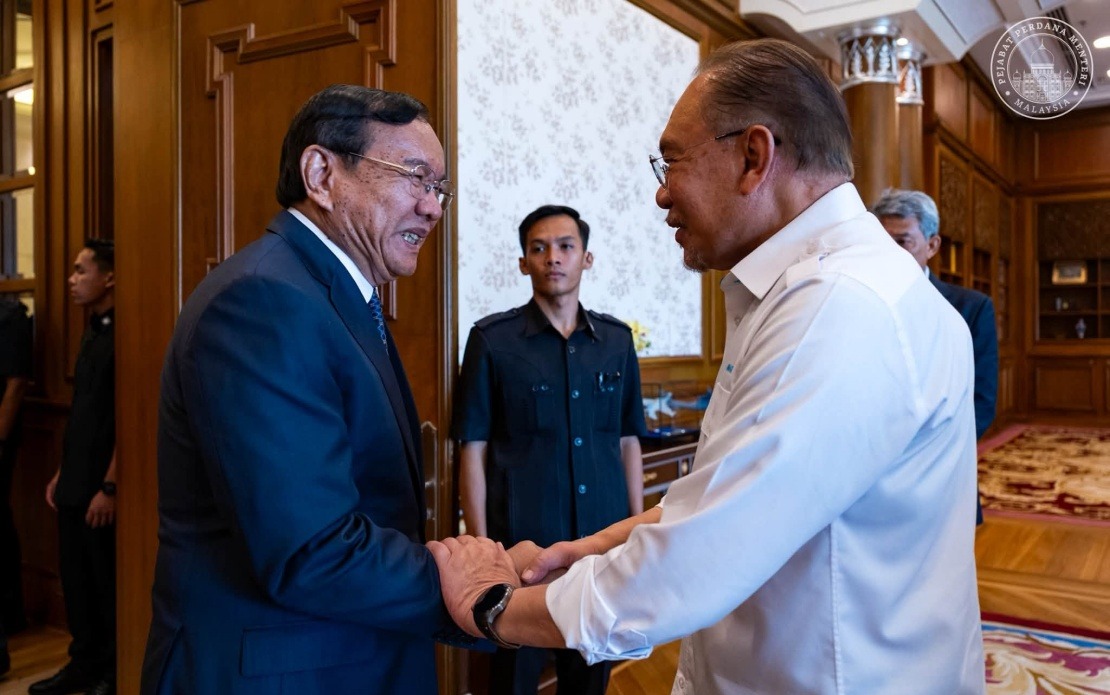
Prime Minister Datuk Seri Anwar Ibrahim has announced a comprehensive agenda for expanded bilateral cooperation between Malaysia and Cambodia, signalling the importance Kuala Lumpur places on its relationship with the neighbouring kingdom. The dual emphasis on economic modernisation and traditional security concerns reflects how both nations are navigating contemporary challenges while maintaining their longstanding partnership in Southeast Asia.
The cooperation framework encompasses multiple strategic pillars designed to foster mutual development and prosperity. Digital economy integration and artificial intelligence development represent Malaysia's push to position the bilateral relationship within the context of regional technological advancement, an increasingly critical dimension of ASEAN competitiveness. The halal industry focus taps into Malaysia's recognised expertise and global standing in this sector, offering practical opportunities for knowledge transfer and commercial collaboration that benefit both economies. Food security cooperation addresses a pressing regional concern, particularly relevant given supply chain vulnerabilities that have affected Southeast Asian nations in recent years.
The announcement emerged from a courtesy meeting between Anwar and Cambodian Deputy Prime Minister and Minister of Foreign Affairs and International Cooperation Prak Sokhonn, who is undertaking a two-day official visit to Malaysia. This visit underscores the diplomatic rhythm maintained between the two nations at the highest levels, ensuring that bilateral relations remain dynamic and responsive to evolving regional circumstances. Such high-level engagement serves not merely ceremonial purposes but provides forums for substantive discussion on areas of mutual concern and opportunity.
The timing of Sokhonn's visit coincides with preparations for the Third Malaysia-Cambodia Joint Commission for Bilateral Cooperation meeting scheduled for August 4. This institutional mechanism represents the formal architecture through which both governments operationalise their strategic vision, translating political commitments into concrete programmes and initiatives. The JCBC serves as a vital coordination platform where specific projects, timelines, and resource allocations receive detailed attention from relevant ministries and agencies.
Beyond the immediate agenda items, both nations have identified cross-border crime prevention as an area requiring enhanced cooperation. This reflects the realities of their shared border and the transnational nature of modern security threats ranging from human trafficking to drug smuggling. Effective coordination on law enforcement and intelligence sharing has become essential for protecting citizens and maintaining stability in the region, demonstrating how traditional security concerns remain integral to the bilateral relationship despite economic diversification.
The visit also carries symbolic weight as Malaysia and Cambodia approach their 70th diplomatic anniversary in 2027. This milestone provides an occasion to reflect on decades of engagement and to chart an ambitious course for the coming decade. The explicit reference to this anniversary suggests both nations view their relationship as enduring and worthy of sustained investment, countering any perception of complacency or drift in their interactions.
As fellow ASEAN member states, Malaysia and Cambodia share institutional responsibilities that extend beyond bilateral matters. Anwar emphasised the collective commitment both nations hold toward preserving regional peace, strengthening ASEAN unity, and working toward realisation of the ASEAN Community Vision 2045. This framing positions Malaysia-Cambodia cooperation within the broader architecture of regional integration, demonstrating how bilateral partnerships serve as building blocks for deeper Southeast Asian cohesion. The emphasis on these collective responsibilities indicates recognition that individual member states benefit when regional institutions function effectively and commands consensus among major powers.
The ASEAN Community Vision 2045 framework provides the strategic context within which Malaysia and Cambodia structure their bilateral engagement. This long-term vision encompasses economic integration, people-to-people connectivity, environmental sustainability, and political-security cooperation. By anchoring their bilateral initiatives within this broader framework, both nations signal alignment with regional development trajectories and commit to contributing meaningfully to ASEAN's collective aspirations.
Anwar's expression of hope that Malaysia-Cambodia relations will continue strengthening reflects confidence in the foundation these nations have built over seven decades. Creating expanded opportunities for mutually beneficial cooperation represents the operational objective, suggesting the relationship is being calibrated not merely to preserve existing arrangements but to generate new avenues through which both economies and societies can benefit. This growth orientation distinguishes the current phase of engagement from maintenance of status quo.
For Malaysian stakeholders, the cooperation agenda opens pathways for businesses and institutions across multiple sectors to engage with Cambodian counterparts. The emphasis on digital economy and artificial intelligence development, in particular, positions Malaysian technology firms and research institutions to contribute meaningfully to Cambodia's digital transformation while creating market opportunities. Similarly, Malaysian halal industry expertise represents valuable intellectual property and commercial potential that bilateral cooperation mechanisms can help monetise and expand.
The broader significance of this engagement extends to regional power dynamics and ASEAN's capacity to function as a cohesive bloc. When major ASEAN economies invest visibly in strengthening bilateral relationships with other member states, the message reverberates through regional capitals and external powers observing ASEAN's internal dynamics. Strong Malaysia-Cambodia ties contribute to the regional balance and reinforce the principle that ASEAN member states prioritise deepening integration and cooperation among themselves.
Moving forward, the concrete outcomes from the August 4 JCBC meeting will indicate whether the announced cooperation framework translates into substantive programmes or remains largely aspirational. The effectiveness of bilateral institutions in operationalising political commitments ultimately determines whether such high-level visits generate measurable benefits for citizens and businesses in both nations. The coming months will reveal how Malaysia and Cambodia transform their strategic vision into tangible achievements across the economic, security, and development dimensions they have identified.

