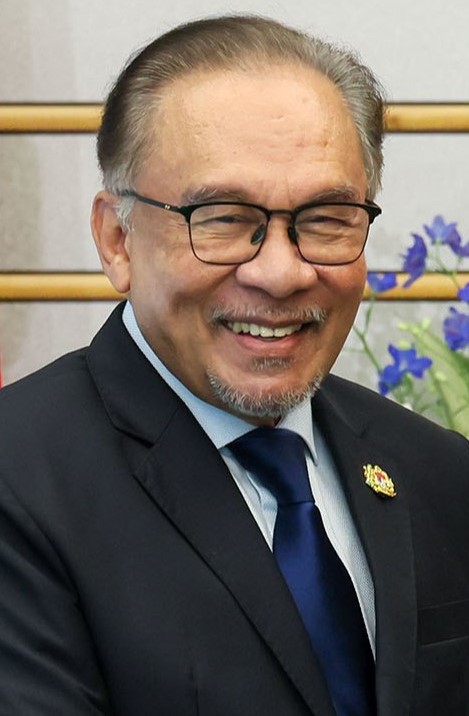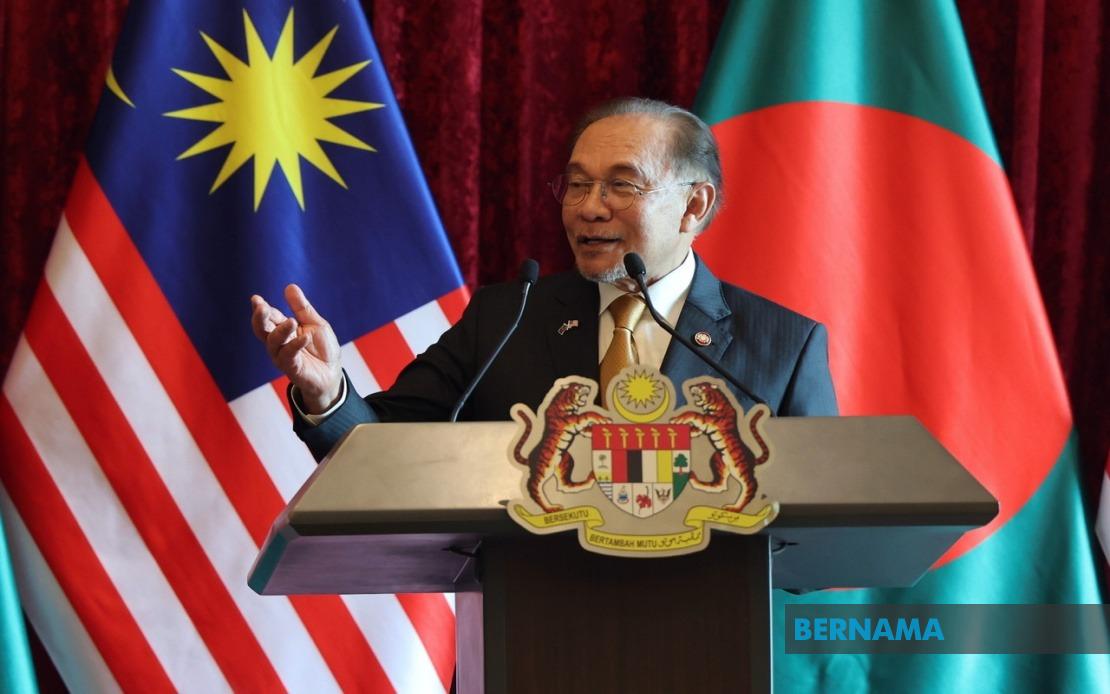
Prime Minister Datuk Seri Anwar Ibrahim and visiting Bangladesh Prime Minister Tarique Rahman have pledged to reinvigorate the institutional backbone of Malaysia-Bangladesh relations by reactivating key bilateral structures that have remained inactive for an extended period. The two leaders, meeting in Putrajaya on June 22, agreed to reconvene the Joint Commission Meeting and Bilateral Consultations without further delay, signalling a determination to place the partnership on a more structured footing after years of dormancy in formal engagement channels.
The commitment reflects broader recognition that diplomatic architecture requires regular maintenance and renewal. Both nations acknowledged that sustained high-level dialogue and reciprocal visits have tangibly improved coordination in spheres ranging from commerce to labour migration. This emphasis on ongoing engagement underscores a shared understanding that regional partnerships in Southeast Asia demand consistent political attention to remain effective and responsive to evolving bilateral interests.
Central to this reinvigorated relationship is the question of labour mobility, an area of profound economic and social significance for both countries. Bangladesh's expatriate community in Malaysia represents a vital demographic bridge between the nations, with workers contributing substantially to Malaysia's industrial, agricultural, and service sectors while remitting income that supports millions of families across Bangladesh. The joint statement explicitly recognised this human dimension, positioning Bangladeshi workers not merely as economic inputs but as agents of cultural exchange and people-to-people connection.
However, Malaysia's approach to expanding worker recruitment remains cautious and calibrated. While acknowledging Bangladesh's formal proposal to increase labour quotas, Kuala Lumpur signalled that approvals would continue to be evaluated on individual merit rather than through blanket increases. This measured stance reflects Malaysia's multi-decade experience managing foreign labour dynamics, including the need to balance employer demand against domestic employment priorities and infrastructure capacity. The insistence on case-by-case assessment, employer verification, and sectoral ceilings demonstrates that expanding worker intake requires alignment with broader economic planning and skills needs.
A critical development emerging from the talks is the establishment of a dedicated Joint Working Group dedicated to evaluating and modernising the existing Memorandum of Understanding governing labour migration. The current MoU, which has governed the framework for Bangladeshi worker recruitment, appears to predate significant changes in both nations' economies and employment landscapes. By commissioning a comprehensive review and drafting updated protocols, both governments are effectively acknowledging that institutional arrangements forged in earlier decades require recalibration to address contemporary migration patterns, skill requirements, and worker protection standards.
The emphasis on transparency, fairness, and non-discriminatory recruitment processes carries particular weight in a region where migration abuse and exploitation of foreign workers remains a persistent concern. Both nations committed to ensuring that any approved quotas flow through credible and qualified recruitment agencies, establishing a clear standard that seeks to prevent the unscrupulous practices that sometimes characterise informal labour channels. This pledge signals shared commitment to ethical migration management, an area where Malaysia and Bangladesh can collaborate to establish regional best practices.
The timing of Bangladesh Prime Minister Tarique Rahman's two-day official visit is significant. Bangladesh, as the world's eighth most populous nation and one of Southeast Asia's fastest-growing economies, represents an increasingly important partner for Malaysia. The formal invitation and high-level reception underscore Anwar's administration's strategic interest in deepening Southeast Asian partnerships beyond traditional ASEAN forums. For Bangladesh, strengthened ties with Malaysia—a more developed and technologically advanced neighbour—offer pathways to knowledge transfer and economic cooperation.
From a Malaysian perspective, this engagement reflects the government's broader regional diplomacy strategy of building deeper bilateral relationships while simultaneously managing complex issues like labour migration that touch on domestic employment and worker welfare. Malaysia hosts one of Asia's most significant expatriate populations, and effective labour governance requires constant dialogue with source countries to ensure both mutual benefit and migrant protection standards.
The establishment of the Joint Working Group represents a pragmatic mechanism for addressing contentious issues incrementally rather than through high-stakes political negotiations. By delegating detailed work to technical teams tasked with evaluating existing arrangements and drafting improved ones, both nations create space for substantive progress while maintaining flexibility in negotiations. This approach acknowledges that labour migration encompasses complex economic, social, and administrative dimensions that benefit from detailed expert analysis before senior leaders finalize policy.
Looking forward, the success of this rejuvenated partnership will depend on whether the Joint Commission Meeting and Bilateral Consultations can establish regular rhythms of engagement. Institutional mechanisms only deliver value when they operate consistently and predictably. The resurrected dialogue platforms must become forums where disagreements are addressed constructively and opportunities for expanded cooperation are systematically explored.
The labour migration framework that emerges from the Joint Working Group's efforts will likely serve as a template for Malaysia's engagement with other labour-sending nations across South Asia and Southeast Asia. An updated MoU that balances Malaysian employer needs against worker protection and Bangladesh's interest in expanding employment opportunities could demonstrate how bilateral labour frameworks can serve both nations' interests while establishing ethical standards. As regional labour mobility intensifies amid economic development and demographic shifts, the Malaysia-Bangladesh model may influence how other nations structure their own migration partnerships.