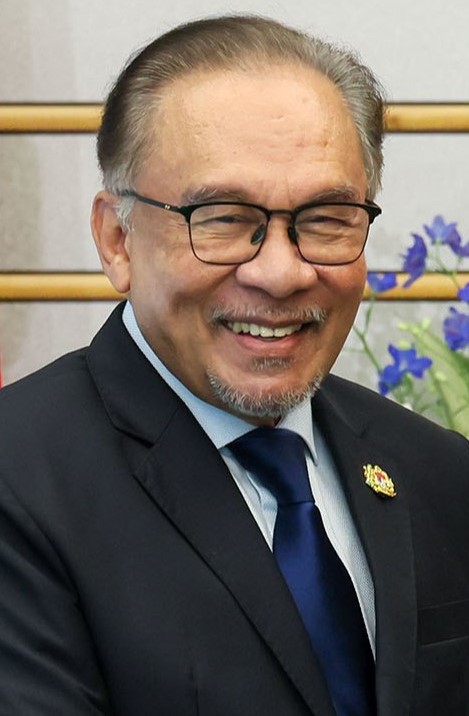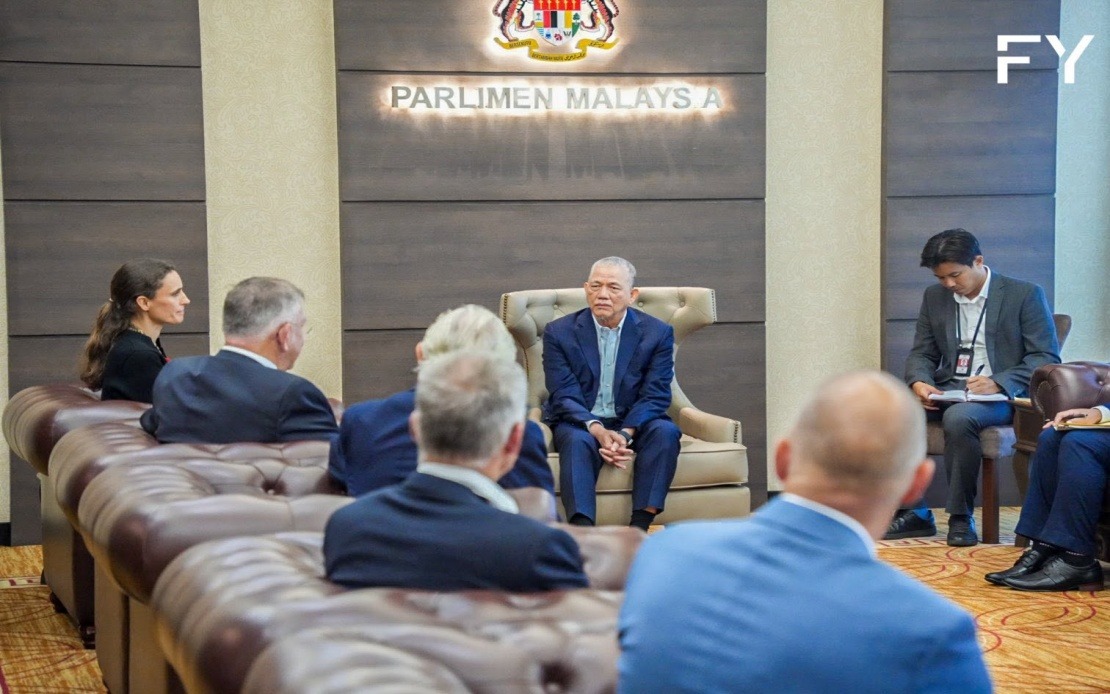
Malaysia is intensifying its push to attract increased investment from German small and medium enterprises, with particular emphasis on sectors aligned with the nation's sustainability goals. Deputy Prime Minister Datuk Seri Fadillah Yusof signalled the country's receptiveness to such partnerships during a high-level engagement with German Ambassador to Malaysia Silke Riecken-Daerr and representatives from the German SME Business Association at Parliament House on June 24.
The targeted sectors reflect Malaysia's broader strategic positioning within the global green economy. Investment opportunities in renewable energy, green technology development, and water management and treatment infrastructure have been identified as priority areas that align seamlessly with the country's sustainable development commitments. This focus underscores Kuala Lumpur's recognition that economic growth and environmental stewardship are increasingly intertwined imperatives for attracting quality foreign direct investment from developed economies.
The existing economic footprint of German businesses in Malaysia provides a solid foundation for expansion. With over 800 German companies currently operating across the country in diverse sectors, the bilateral relationship demonstrates substantial depth and diversification. Fadillah emphasised that Germany remains one of Malaysia's most significant trading partners, a position particularly pronounced in mechanical engineering and advanced manufacturing technology domains where German expertise commands global respect.
Beyond immediate investment considerations, the discussion revealed broader ambitions for deepening cooperation in human capital development. Germany's internationally acclaimed Technical and Vocational Education and Training system represents a potential blueprint for strengthening Malaysia's workforce capabilities. The country's track record in producing highly skilled graduates through rigorous, industry-aligned vocational pathways offers valuable lessons for Malaysian policymakers seeking to enhance labour market competitiveness.
The timing of this engagement reflects Malaysia's strategic recalibration towards attracting technology-intensive and sustainability-focused foreign direct investment. As global capital increasingly flows towards companies demonstrating environmental responsibility and green credentials, Malaysian officials are positioning the country as a preferred investment destination for European enterprises seeking Southeast Asian manufacturing and operational bases. The emphasis on green sectors signals recognition that tomorrow's competitive advantage lies in coupling manufacturing prowess with environmental performance.
Transferring German vocational expertise to Malaysia carries significant implications for closing skills gaps in emerging sectors. Malaysia's ambition to develop homegrown capabilities in renewable energy technology, advanced water treatment systems, and sustainable manufacturing processes depends substantially on access to world-class training methodologies. German SMEs can serve as knowledge transfer vectors, embedding technical competencies within the local workforce whilst building operational capacity in high-value industries.
The prospect of strengthened German SME involvement also intersects with Malaysia's broader regional positioning within ASEAN. As Southeast Asia's most industrialised economy, Malaysia often serves as a testing ground and springboard for European companies entering the broader regional market. Enhanced German business presence could facilitate technology diffusion throughout the association, creating positive spillover effects that benefit neighbouring economies whilst reinforcing Malaysia's technological leadership within the bloc.
Investment in environmental infrastructure represents a particularly pressing opportunity for German-Malaysian collaboration. Water management challenges across Southeast Asia—driven by rapid urbanisation, industrial growth, and climate variability—create substantial demand for sophisticated treatment and conservation technologies. German engineering excellence in this domain could be leveraged to address regional needs whilst creating profitable business opportunities for participating enterprises.
Fadillah's confidence in strengthening bilateral relations reflects recognition that the Malaysia-Germany partnership operates on multiple levels simultaneously. Commercial interests align with developmental objectives, while technological exchange supports broader workforce enhancement initiatives. This multifaceted approach contrasts with purely transactional foreign direct investment frameworks, instead positioning bilateral engagement as mutually reinforcing cooperation serving long-term strategic interests.
The emphasis on partnership quality rather than investment volume signals Malaysia's evolved approach to foreign capital attraction. Officials increasingly recognise that large-scale but low-value manufacturing investment may prove economically destabilising over time, whereas smaller volumes of technology-intensive, high-skill investment generate more sustainable prosperity. German SMEs, typically characterised by specialisation, technical excellence, and long-term operational horizons, fit this profile particularly well.
Regional competitiveness for German investment intensity means Malaysia must continually refresh its value proposition. Offering advanced vocational training access, streamlined business environments, and strategic sector alignment helps differentiate Malaysia from competing Southeast Asian destinations. Thailand, Indonesia, and Vietnam all harbour ambitions to attract similar quality investment, making Malaysia's proactive engagement with German business stakeholders strategically important.
Moving forward, realising this investment potential requires translating diplomatic receptiveness into concrete policy implementation. Targeted incentive structures, simplified regulatory processes for priority green sectors, and credible commitments to TVET reform could significantly strengthen Malaysia's competitive positioning. Such initiatives would signal that welcoming rhetoric reflects genuine institutional commitment rather than aspirational rhetoric disconnected from implementation capacity.