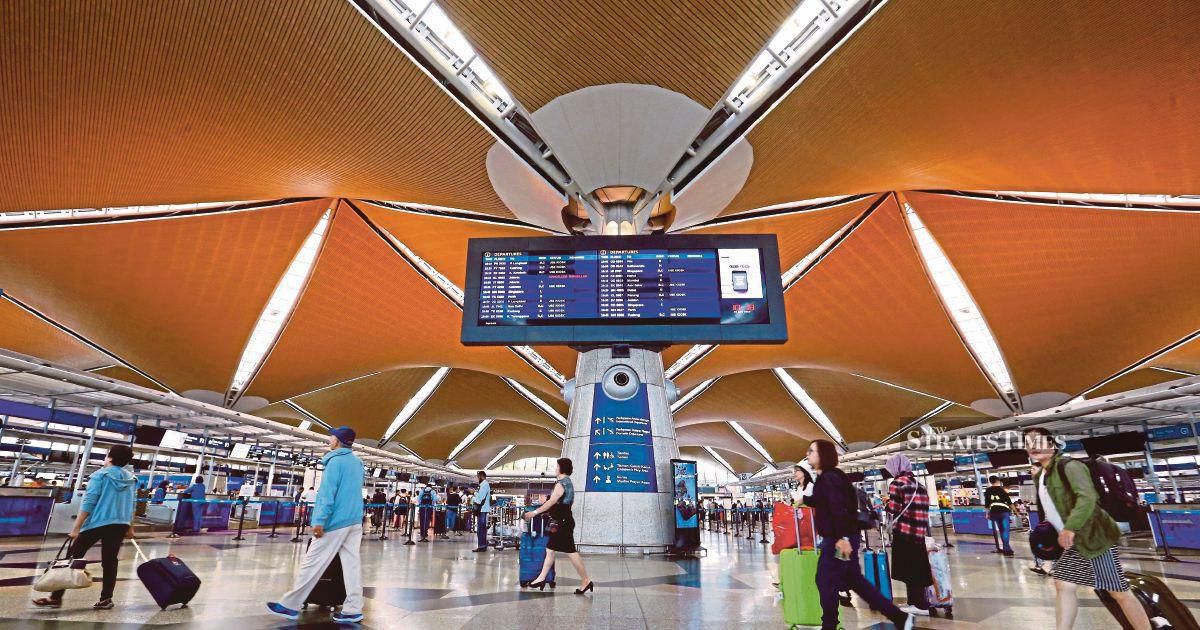
Malaysia Airports Holdings Bhd (MAHB) acknowledged today that a technical malfunction had temporarily disrupted the baggage handling infrastructure serving Terminal 1 at Kuala Lumpur International Airport (KLIA). The operator confirmed the glitch affected normal baggage processing operations, creating potential delays for passengers during the afternoon peak period.
The baggage system, which handles the sorting, conveying, and loading of passenger luggage onto departing aircraft, is critical infrastructure at one of Southeast Asia's busiest aviation hubs. Any disruption to this automated system directly impacts flight turnaround times and passenger experience, making swift resolution essential during high-traffic hours. MAHB's swift acknowledgement of the problem underscores the operational transparency expected at a major international gateway.
The technical nature of the malfunction was not immediately detailed in MAHB's statement, though baggage system disruptions typically stem from conveyor belt malfunctions, scanning equipment failures, or software glitches in the sorting algorithms that direct luggage to correct flight gates. Such systems operate continuously under significant strain, processing thousands of bags daily across multiple terminals.
What distinguishes this incident is its relatively contained duration. MAHB confirmed that technicians had successfully restored full operational capability by 5.30pm, suggesting the fault was methodically diagnosed and rectified within a reasonable timeframe. For an airport handling over 90 million passengers annually, the ability to resolve critical infrastructure failures within hours rather than days represents a demonstration of maintenance readiness.
The incident carries implications for both passengers and airlines operating from KLIA Terminal 1, which predominantly serves international carriers and premium routes. Baggage delays, even temporary ones, generate passenger frustration and can disrupt airline schedules if aircraft must be held pending full luggage loading. The affected terminal's reputation for efficiency depends partly on these behind-the-scenes systems functioning seamlessly.
KLIA Terminal 1, which opened in 1998, continues serving as the airport's primary international terminal despite the newer Terminal 2 and Terminal KLIA2 operating alongside it. The ageing infrastructure requires ongoing maintenance and periodic system upgrades to maintain operational standards. Today's incident highlights the challenges involved in maintaining complex automated systems in continuous operation across multiple daily cycles.
The broader context of Malaysian aviation infrastructure development includes ongoing investments in airport modernization across the region. While KLIA maintains its position as a major Southeast Asian hub, competing facilities in Singapore, Bangkok, and Jakarta have invested heavily in baggage system upgrades and redundancy measures designed to prevent single-point failures. The technical reliability of ground infrastructure increasingly influences airline route decisions and passenger perceptions of airport quality.
MAHB's response protocol for such incidents typically involves immediate notification to airlines operating affected flights, allowing them to adjust schedules if necessary and prepare contingency staffing. For international carriers, such disruptions can have cascading effects on connecting services and turnaround times. The speed of resolution thus becomes commercially significant beyond the immediate Terminal 1 operations.
No official statement detailed whether the outage resulted in flight delays or passenger compensation requirements. The incident occurred during late afternoon hours when international flight departures typically concentrate, suggesting the malfunction may have affected multiple services. Airlines and passengers affected would likely have received updates through MAHB's operational channels and their respective booking confirmations.
The technical incident serves as a reminder that airport operations depend on interconnected systems where any single component failure can momentarily degrade overall service. MAHB's maintenance teams demonstrated the capacity to diagnose and resolve the problem without escalating into prolonged service disruption, though the underlying cause and any preventative measures remain unreported. Industry observers typically review such incidents to identify systemic vulnerabilities requiring enhanced monitoring or equipment replacement.
Moving forward, the incident may prompt MAHB to review diagnostic protocols and redundancy measures within the baggage system architecture. Airports globally increasingly implement parallel systems or enhanced predictive maintenance regimes using sensor technology and artificial intelligence to detect emerging faults before they disrupt operations. KLIA's continuing investment in such technologies could prevent similar future occurrences.
For Malaysian travellers and international passengers transiting through KLIA Terminal 1, such technical incidents remain statistically rare given the facility's daily passenger throughput. However, their impact reverberates through connected flights and downstream operations throughout the region's aviation network. MAHB's rapid resolution today exemplifies the operational responsiveness expected at infrastructure of strategic national importance.

