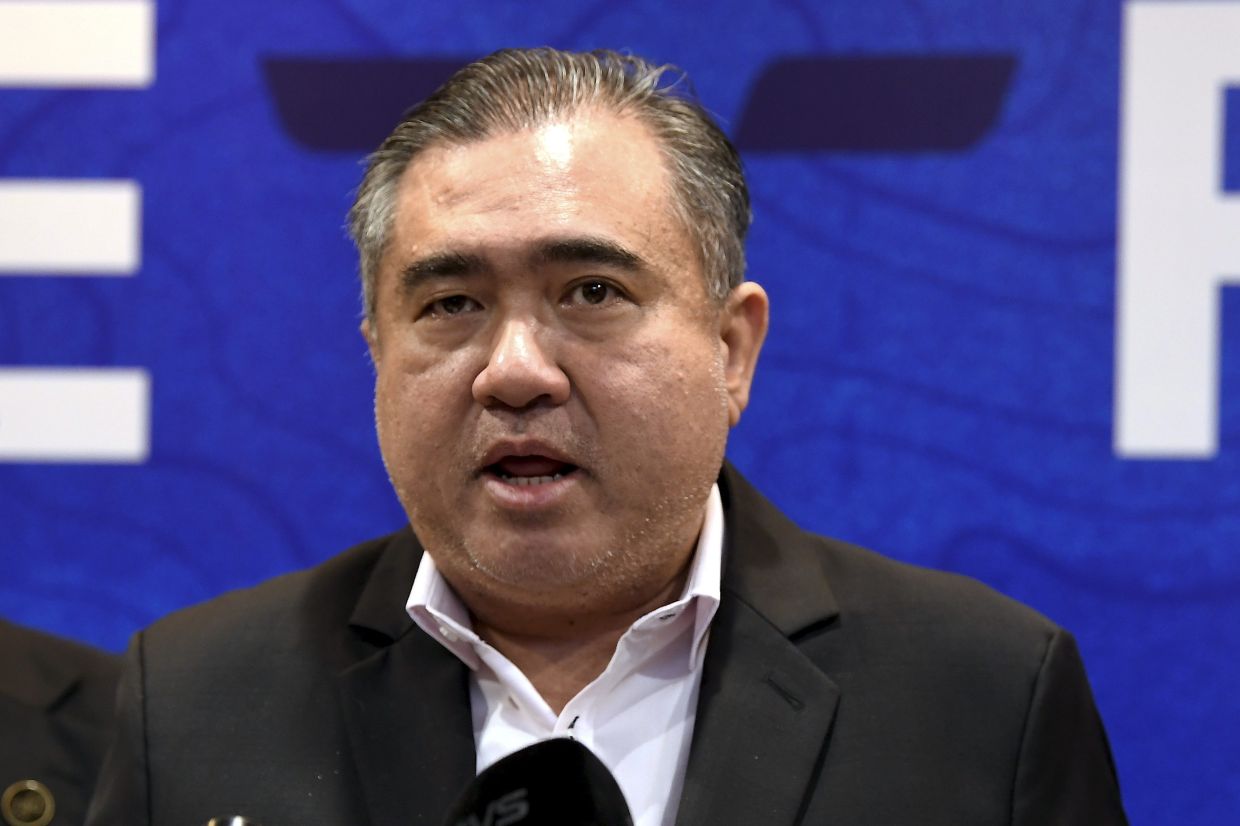
Malaysia Airports Holdings Bhd (MAHB) and Mitsui Fudosan (Asia) Malaysia have formally commenced construction on a RM80 million air cargo and logistics complex at Subang Airport, marking a significant step in the government's strategy to decentralise the country's aviation infrastructure and develop secondary hubs beyond Kuala Lumpur International Airport. Transport Minister Anthony Loke Siew Fook presided over the groundbreaking ceremony on Thursday, underscoring the administration's commitment to expanding Malaysia's competitive positioning within Southeast Asia's rapidly growing logistics sector.
The partnership represents a deliberate approach by MAHB to unlock the commercial potential of its airport assets by collaborating with international specialists capable of designing, constructing, and managing world-class facilities. Mitsui Fudosan brings considerable experience from Japan, particularly through its involvement in developing logistics infrastructure at Haneda Airport in Tokyo, one of Asia's busiest aviation hubs. By combining MAHB's existing airport infrastructure and local market knowledge with Mitsui Fudosan's technical expertise and operational pedigree, the joint venture aims to reduce execution risks while establishing a facility that meets global standards for air cargo handling.
The new development, formally styled the Subang Maintenance, Repair and Overhaul (MRO) Logistics Complex Project, will occupy a 1.78-hectare parcel within Subang Aerotech Park. The facility will provide approximately 254,420 square feet of gross floor area, designed with flexible multi-tenancy arrangements to accommodate diverse operational needs across the aviation and aerospace supply chain. The strategic location within the Subang Airport precinct positions the complex to serve established aerospace, aviation, and logistics operators clustered throughout the Klang Valley, a region home to Malaysia's most concentrated aerospace manufacturing base.
The timing of this investment reflects broader government efforts to strengthen Malaysia's air cargo sector amid intensifying regional competition. Currently, Penang dominates Malaysia's air cargo landscape, handling approximately 75 percent of the nation's total air cargo throughput, a consequence of the state's status as a leading semiconductor manufacturing centre requiring rapid components distribution. However, this concentration creates vulnerabilities and fails to utilise Malaysia's geographic advantages. By developing secondary air cargo facilities, the government seeks to distribute capacity more efficiently and reduce dependency on a single location.
The ministry is pursuing a multi-pronged strategy to enhance air cargo capabilities across the country. Kuala Lumpur International Airport is being developed as ASEAN's regional air cargo hub through a collaborative framework with China, positioning Malaysia as a crucial transhipment point for trade flows throughout Southeast Asia and beyond. Simultaneously, the government is working with Sabah authorities to establish an air cargo hub at Kota Kinabalu International Airport, with plans to repurpose Terminal 2 to accommodate expanded logistics operations. These initiatives collectively aim to create a networked system of air cargo facilities rather than relying on a single dominant airport.
The involvement of high-level Japanese diplomatic representation, including Minister Daisuke Nihei from the Embassy of Japan in Malaysia, underscores the significance Japan places on strengthening logistics and infrastructure partnerships within Malaysia. Japan has consistently positioned itself as a strategic partner in Southeast Asian economic development, and participation in air cargo infrastructure aligns with Japan's broader vision of enhancing supply chain resilience and regional economic integration throughout the Indo-Pacific region.
From a Malaysian perspective, the Subang complex addresses a critical gap in the country's logistics infrastructure. The Klang Valley region generates substantial aviation and aerospace activity, yet lacks modern cargo handling facilities comparable to those found in competing regional hubs. By providing dedicated space for maintenance, repair, and overhaul operations alongside cargo logistics, the complex will capture value-added services that currently migrate to competing jurisdictions. Operators will benefit from streamlined turnaround times and reduced operational costs through integrated facilities specifically engineered for aviation sector requirements.
The project timeline anticipates substantial completion by the third quarter of 2027, with full operational commencement scheduled for the fourth quarter of the same year. This timeline allows MAHB and Mitsui Fudosan to implement construction methodologies proven at other regional logistics hubs while accounting for Malaysia's specific regulatory and environmental requirements. Concurrent development of air cargo capacity at KLIA and KKIA means that by late 2027, Malaysia will have initiated a significant expansion of its air cargo infrastructure, positioning the country to capture growing demand from semiconductor manufacturing, electronics, pharmaceutical, and time-sensitive goods sectors.
The complex holds implications extending beyond Subang's immediate vicinity. As Malaysia's economy becomes increasingly integrated with regional supply chains, air cargo capacity functions as critical infrastructure. The facility will service not only Selangor-based operators but also contribute to broader national competitiveness in attracting aerospace manufacturing, maintenance, and logistics investment. Companies evaluating locations for regional operations consider infrastructure depth and capability as decisive factors; the Subang complex contributes to Malaysia's attractiveness relative to competing locations in Thailand, Vietnam, and Indonesia.
Looking forward, this development demonstrates how strategic partnerships between domestic airport operators and international infrastructure specialists can accelerate Malaysia's infrastructure modernisation. Rather than attempting to develop world-class logistics facilities independently, MAHB's collaboration with Mitsui Fudosan allows technology transfer and operational knowledge sharing that benefits Malaysian stakeholders while reducing project execution risk. As Malaysia seeks to maintain its regional economic relevance amid intensifying competition, such partnerships will prove increasingly valuable in developing capabilities that match global standards.

