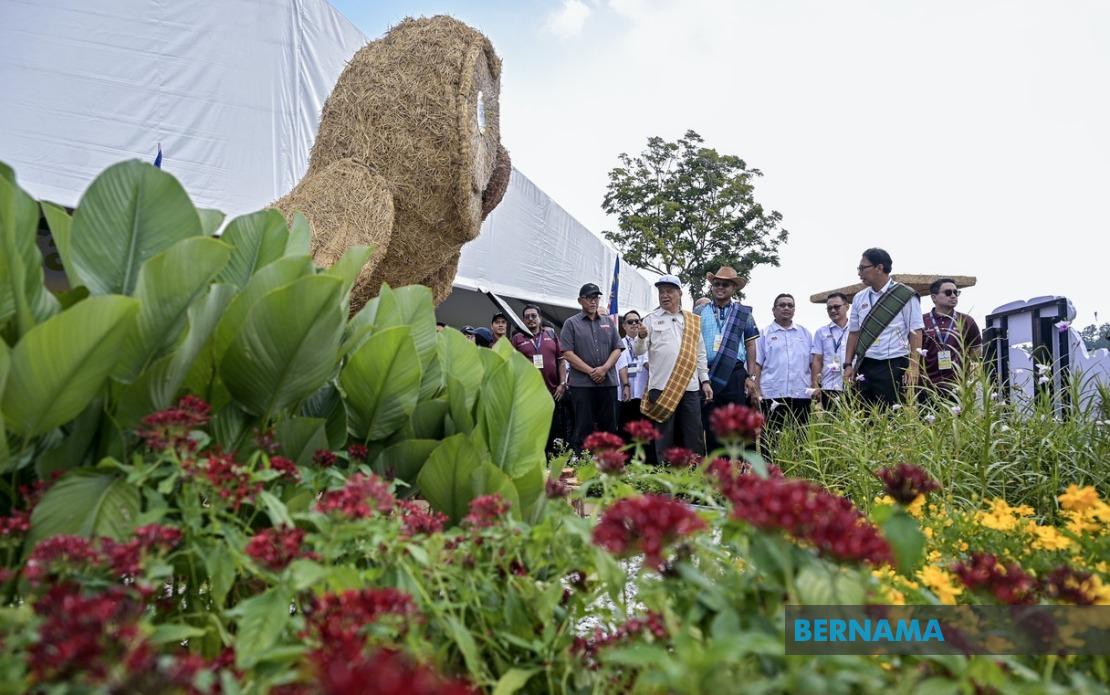
The Malaysia Agriculture, Horticulture and Agrotourism Exhibition has made a robust start to its nine-day run, with Agriculture and Food Security Minister Datuk Seri Mohamad Sabu announcing the impressive figures during a visit to the Malaysia Agro Exposition Park Serdang on August 31. The turnout demonstrates sustained public interest in Malaysia's agricultural sector and validates the continued relevance of major industry showcases that blend commercial opportunity with consumer engagement.
Participation levels have translated into considerable logistical demands across the MAEPS venue in Serdang. The exhibition grounds witnessed 184,000 vehicles entering and exiting during the three-day opening period, creating substantial traffic congestion in the surrounding area. This volume underscores the scale of the event and the appeal it holds across Malaysia's urban and rural populations, suggesting that agrotourism and agricultural commerce remain compelling draw cards despite competing entertainment options.
The organizers have established ambitious revenue targets that dwarf the early weekend performance. Officials are pursuing total sales exceeding RM58 million by the time the exhibition concludes on September 6, with purchases of crop seeds and related agricultural inputs anticipated to form a substantial portion of this figure. Current trajectory suggests the event is well-positioned to meet or surpass these objectives, provided sustained visitor interest continues through the remainder of the run.
Transportation challenges have emerged as the primary operational issue requiring management attention. Minister Mohamad acknowledged the congestion while announcing that shuttle service capacity has been expanded to accommodate the surge in attendance. He indicated that a dedicated committee convenes daily to process visitor complaints and engineer solutions, reflecting the administration's commitment to maintaining service quality despite unprecedented demand. The minister specifically noted the discomfort experienced by visitors queuing during hot daytime conditions, particularly at the state pavilions where lines have extended considerably.
The exhibition's appeal has been substantially enhanced by thematic programming designed to mark broader national occasions. The MAHA Merdeka event held during the opening weekend incorporated National Day celebrations, complete with fireworks displays and coordinated drone shows that attracted families and boosted overall attendance figures. Such entertainment components serve dual purposes—enriching the visitor experience while amplifying media coverage and word-of-mouth promotion.
The scale of this year's exhibition reflects significant growth in both participant numbers and exhibitor commitment. Approximately 2,000 exhibitors from across Malaysia's agricultural value chain have secured booth space, presenting the largest exhibition footprint in recent MAHA history. These participants represent crop producers, equipment suppliers, technology providers, and agritourism operators, collectively showcasing the sector's diversity and commercial dynamism. The breadth of offerings ensures multiple entry points for visitors regardless of their specific agricultural interests or purchasing intentions.
For Malaysia's agricultural sector, such exhibitions serve critical functions beyond immediate sales generation. MAHA 2026 provides a structured environment for farmers and agribusinesses to establish supply chains, demonstrate innovation, and benchmark their operations against competitors. Rural communities gain access to product information and direct vendor engagement that would require substantial travel time to obtain through conventional channels. The exhibition thus functions as a marketplace, an educational forum, and a networking nexus simultaneously.
The successful opening weekend holds implications for Malaysian policymakers considering the sector's potential as an economic growth driver. Strong visitor turnout and revenue performance vindicate continued public investment in agricultural promotion infrastructure and events programming. At a time when agricultural modernization and youth engagement remain policy priorities, such exhibitions demonstrate that substantial market demand exists for improved farm-to-consumer connections and enhanced visibility for local agricultural entrepreneurship.
Regional perspectives add further context to MAHA's significance. As Southeast Asian agricultural sectors increasingly compete in regional and global markets, Malaysia's commitment to staging large-scale, well-organized exhibitions signals investment in sector competitiveness. The event attracts international exhibitors and buyers alongside domestic participants, positioning Malaysia as a serious player in regional agricultural trade and innovation. This positioning gains importance as regional trade arrangements and consumer interest in diverse agricultural products expand.
Operational lessons from the opening weekend will likely inform planning for future iterations of MAHA and other major agricultural events. Transport logistics, queue management, and facilities capacity emerge as critical factors influencing visitor satisfaction and return attendance. The minister's emphasis on daily committee reviews suggests a learning-oriented approach to event management, with adjustments implemented iteratively rather than prescribed entirely in advance.
Looking toward the exhibition's conclusion on September 6, sustained momentum depends partly on school holidays and weekend scheduling, which typically amplify family-group attendance. Weather patterns and competing entertainment options will also influence subsequent visitor flows. The RM58 million sales target, while ambitious, appears increasingly achievable given current performance trajectories and the six remaining days available for commercial activity. Subsequent analysis will likely position MAHA 2026 as a benchmark year for agricultural event programming in Malaysia.

