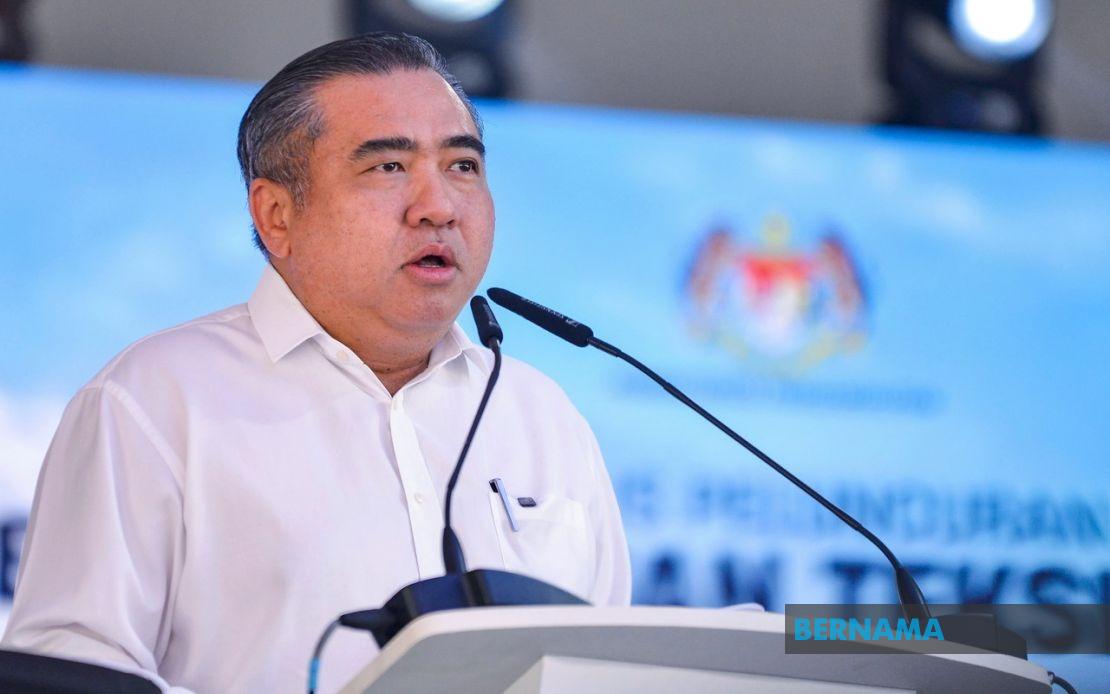
Transport Minister Anthony Loke unveiled a transformative restructuring of Malaysia's taxi industry on July 3, announcing that drivers participating in the National MADANI Taxi Reform Programme will transition from the traditional leasing model to outright vehicle ownership. The initiative, formally launched by Prime Minister Datuk Seri Anwar Ibrahim at Dataran Merdeka in Kuala Lumpur, represents a significant departure from decades of industry practice in which drivers rented vehicles from operators rather than accumulating equity in their assets.
The structural shift addresses one of the sector's longstanding grievances. Loke emphasised that while financing through financial institutions remains available, drivers will hold legal ownership of their vehicles from the outset, fundamentally altering the relationship between operators and drivers. This arrangement distinguishes itself from conventional leasing arrangements where ownership remained with the operating company regardless of duration or payments made. The Ministry of Finance granted special approval to enable this alternative ownership framework, demonstrating high-level government commitment to the reform agenda.
The Proton S70 sedan has been designated as the standardised vehicle for the programme, selected on the basis of integrated safety systems, interior passenger amenities, and fuel consumption efficiency. This specification addresses multiple stakeholder concerns simultaneously: passengers benefit from enhanced protection and comfort standards, while drivers experience reduced operational costs through improved fuel economy. The vehicle selection reflects a deliberate strategic choice to upgrade the public's perception of taxi services whilst maintaining financial viability for individual operators.
Visual and operational branding distinguishes the reformed fleet significantly from existing services. The new taxis will abandon the conventional roof-mounted identifier light that has characterised Malaysian taxis for generations, adopting instead a contemporary aesthetic aligned with global standards. A distinctive registration series commencing with the letters "GET" will provide immediate identification, facilitating both regulatory oversight and passenger recognition. This rebranding exercise extends beyond cosmetic changes, signalling a comprehensive modernisation agenda for the entire sector.
Revenue diversification mechanisms address the persistent challenge of driver income sustainability in an increasingly competitive transportation landscape. The Transport Ministry, working collaboratively with private sector partners, plans to introduce digital advertising displays within taxi cabins, creating supplementary income streams independent of fare collection. This innovation recognises that traditional taxi fares alone have become insufficient for driver livelihoods in many markets, particularly as ride-hailing competitors operate under different economic models. The advertising revenue potential could meaningfully improve annual earnings for participating drivers.
Technological integration represents another cornerstone of the reform strategy. Digital booking systems will be embedded across e-hailing platforms, ensuring that reformed taxis achieve competitive parity with existing ride-sharing services in terms of accessibility and convenience. This move acknowledges market realities: consumer expectations for app-based booking and transparent pricing have fundamentally reshaped transportation preferences. By integrating traditional taxis into digital infrastructure rather than attempting to defend an outdated ordering model, policymakers position the sector for sustainability rather than gradual obsolescence.
The MADANI programme reflects broader policy recognition that structural industry challenges require ownership reform, not merely operational adjustments. The traditional leasing system effectively trapped drivers in perpetual debt cycles where monthly payments never translated into asset accumulation or long-term financial security. By reversing this dynamic, the government addresses a fundamental economic injustice whilst simultaneously incentivising quality service delivery. Drivers with ownership stakes demonstrate higher commitment to vehicle maintenance and customer satisfaction than those operating leased vehicles.
Regional implications extend beyond Malaysia's borders. Several Southeast Asian nations grapple with comparable taxi sector challenges involving labour exploitation through extractive leasing arrangements and inability to compete with technology-driven ride-hailing services. Malaysia's structural reform approach offers a potential template for addressing these interconnected issues simultaneously through ownership democratisation and technological integration. The success or failure of MADANI will likely influence policy discussions across the region.
Implementation challenges remain substantial despite the programme's comprehensive design. Converting existing drivers accustomed to leasing arrangements into vehicle-owning entrepreneurs requires substantial financial literacy support and credit access guarantees. The financing mechanisms enabling ownership must remain accessible to drivers with limited credit histories, otherwise the programme risks excluding those most disadvantaged by the previous system. Government oversight will prove critical in ensuring financial institutions do not impose prohibitively restrictive lending terms that replicate the exploitative dynamics of traditional leasing.
The programme's success also depends on sustained digital platform adoption and passenger acceptance of the reformed service standards. Driver earnings improvements materialise only if advertising revenue actually materialises and e-hailing integration generates adequate booking volumes. Market saturation within app-based transportation services means that reformed taxis must offer distinctive value propositions beyond technological integration to capture market share effectively. Initial adoption patterns will establish crucial precedents for subsequent reform phases.
Longer-term implications for urban transport policy warrant consideration. If MADANI successfully revitalises the taxi sector through ownership transfer and technological upgrade, it validates a model emphasising stakeholder equity over operator concentration. This philosophy could influence approaches to other transportation modes and service sectors experiencing similar pressures from technology-enabled alternatives. Malaysia's willingness to fundamentally restructure an established industry demonstrates policy flexibility regarding economic models that prioritise worker dignity alongside service quality.

