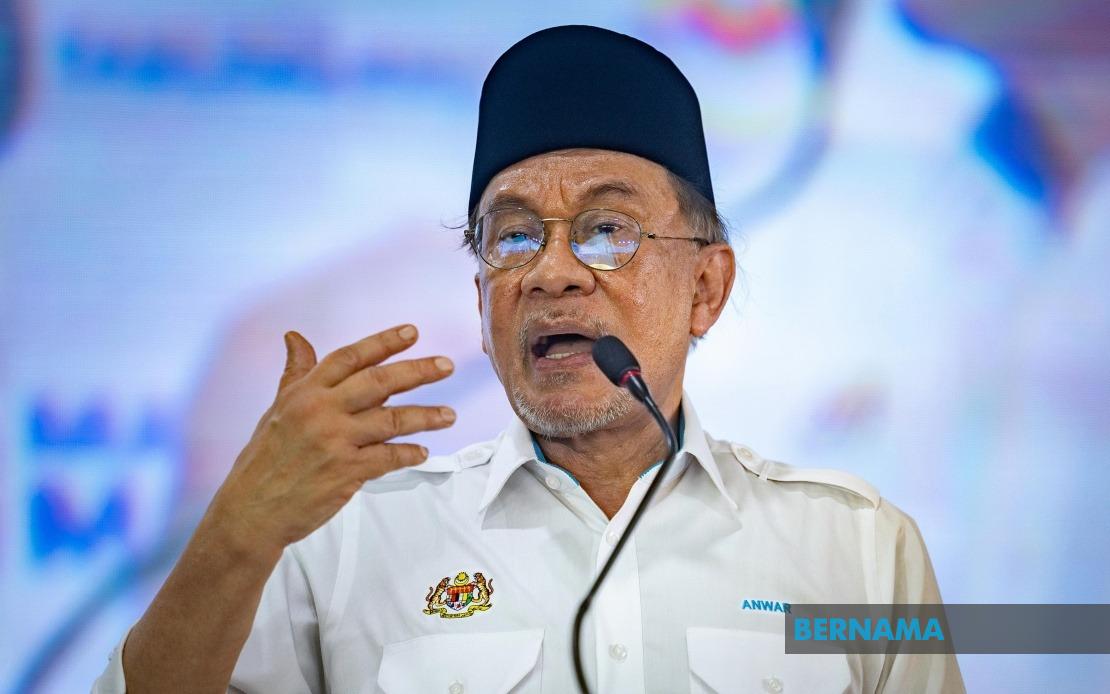
Prime Minister Datuk Seri Anwar Ibrahim has reaffirmed the MADANI Government's unwavering commitment to strengthening and modernising religious schools and pondok institutions throughout the nation. Speaking at the 2026 Perak Pondok and Religious Schools Gathering in Ipoh on July 19, Anwar outlined an ambitious agenda to elevate these educational establishments whilst preserving their core Islamic character and heritage. The pledge comes as Malaysia seeks to position its religious education sector as a bridge between traditional scholarship and contemporary digital competencies.
The Prime Minister acknowledged that pondok schools historically served as vital educational anchors within Malaysian Muslim communities, providing foundational Islamic knowledge and moral guidance to generations of students. However, he candidly recognised that these institutions faced considerable challenges during periods of rapid societal transformation. As Malaysia underwent industrialisation and globalisation, many pondok schools struggled to adapt their curricula and teaching methodologies, creating a widening gap between the knowledge their graduates possessed and the skills demanded by modern economies. This educational lag, whilst understandable given resource constraints, threatened the relevance of these institutions among younger Malaysians increasingly drawn to secular schooling options.
An encouraging development, Anwar stressed, has been the willingness of religious educators and pondok leadership to embrace contemporary disciplines without compromising Islamic principles. The Prime Minister expressed particular pride in the efforts of religious scholars and tok guru—respected Islamic leaders—who are now incorporating computer technology and artificial intelligence education into their teaching frameworks. This pragmatic fusion represents a significant departure from the false binary that has historically characterised debates about religious versus secular education in Malaysia. By demonstrating that classical Islamic texts and modern computational skills can coexist within a coherent pedagogical approach, these institutions are positioning themselves to serve a new generation of digitally fluent Muslims grounded in their faith.
The government's partnership with Malaysia Digital Economy Corporation (MDEC) and the Implementation Coordination Unit (ICU) within the Prime Minister's Department indicates a whole-of-government approach to this modernisation agenda. These bodies bring technical expertise and implementation capability essential for translating policy pronouncements into tangible improvements in school infrastructure, teacher training programmes, and curriculum development. The involvement of MDEC specifically signals recognition that digital transformation requires institutional coordination and specialised knowledge beyond the capacity of individual schools operating in isolation. Such collaborative frameworks have proven effective in similar modernisation efforts across Southeast Asia, where governments have successfully upgraded traditional educational institutions by channelling dedicated resources through specialised agencies.
Anwar's comments about ensuring continued governmental support contingent upon sustained economic health underscore an important reality: educational ambitions must be anchored in fiscal sustainability. The Prime Minister's mention of Sheikh Wazir Che Awang Al-Makki, a prominent Kelantan religious scholar, appears designed to signal genuine consultation with respected Islamic intellectual figures about these initiatives. Such engagement lends legitimacy to modernisation efforts and helps counter potential accusations that government intervention threatens religious autonomy. The invocation of "insya-Allah"—God willing—frames the commitment within an Islamic context, signalling that modernisation is not a secular imposition but rather compatible with pious governance.
The presence of Perak Menteri Besar Datuk Seri Saarani Mohamad and Minister in the Prime Minister's Department (Religious Affairs) Dr Zulkifli Hasan at the gathering reinforces federal-state coordination on religious education matters. Malaysia's constitutional framework grants substantial authority over Islamic affairs to state governments, making their cooperation essential for nationwide initiatives. The attendance of Chief Secretary to the Government Tan Sri Shamsul Azri Abu Bakar emphasised the administrative machinery required to implement such programmes, suggesting this is not merely rhetorical political positioning but an agenda with potential resource allocation and institutional support.
For Malaysian readers, these developments carry significant implications. The pondok school sector educates hundreds of thousands of Malaysian students, with particular concentration in rural and traditional communities. Upgrading these institutions directly affects social mobility and economic opportunity for disadvantaged populations. Additionally, successful integration of modern skills into Islamic education could help address persistent narratives that fringe from these schools become susceptible to extremist ideologies due to their isolation from mainstream knowledge systems. By actively incorporating technology and AI education, authorities may strengthen the inoculation of pondok graduates against radicalisation whilst maintaining their Islamic commitment.
The broader Southeast Asian context is worth considering. Regional neighbours including Indonesia and Thailand operate similar traditional Islamic education networks. Malaysia's approach—combining modernisation with respect for institutional autonomy and religious integrity—could offer a template for how Muslim-majority nations navigate educational transformation without provoking accusations of cultural erosion. The explicit government endorsement of this pathway may also encourage philanthropic and private sector engagement with pondok schools, diversifying their funding sources beyond government budgets.
Critical observers might note that pledges of support require sustained political will across electoral cycles and government transitions. Previous initiatives targeting traditional schools have sometimes foundered when initial political momentum dissipated. The durability of this commitment will ultimately be measured through consistent budget allocation, observable improvements in school facilities and teacher remuneration, and measurable learning outcomes demonstrating that students gain genuine AI and digital competency alongside religious knowledge. Monitoring how government agencies operationalise these announcements over coming months and years will be essential to evaluating whether MADANI's religious education agenda represents substantive reform or primarily symbolic political engagement with an important constituency.

