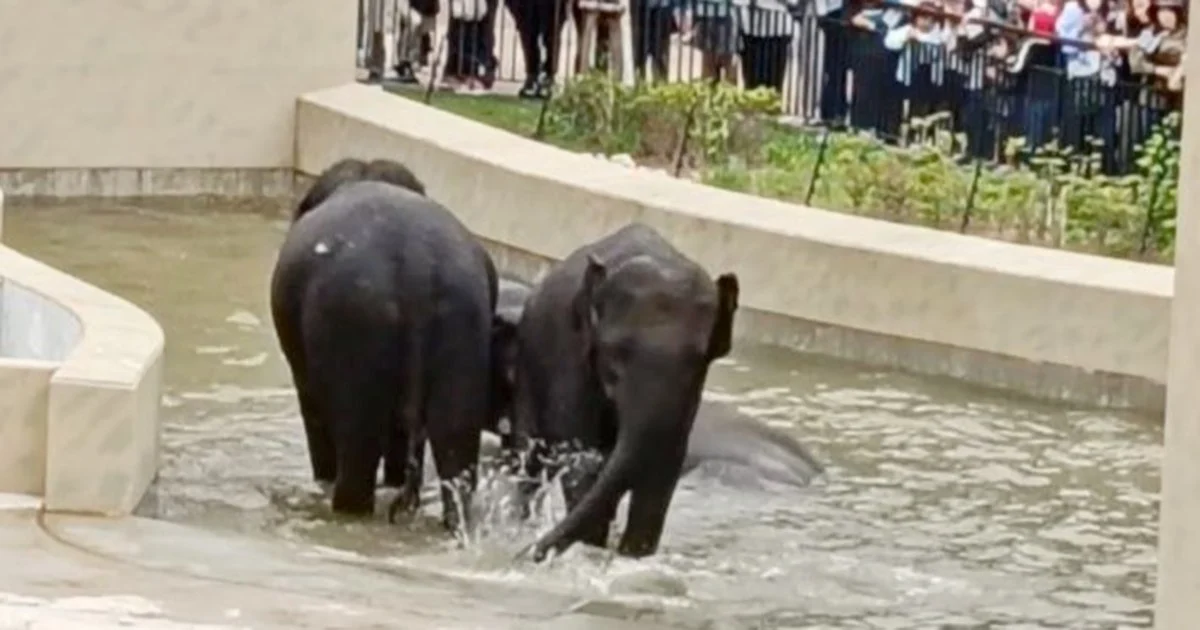
The Malaysian Anti-Corruption Commission has initiated a probe into the Taiping Municipal Council regarding the relocation of three elephants to Tennoji Zoo in Japan, though the investigation has been confined to an examination of documentation rather than broader inquiries. This narrow scope suggests MACC is focusing specifically on the paper trail and procedural records connected to the transfer decision, rather than conducting wider interviews or site inspections at this stage.
The Taiping Municipal Council's decision to transfer the three elephants represents a significant development in how Malaysian local authorities manage animal assets. The move has drawn scrutiny from the anti-graft agency, indicating concerns about potential irregularities in the process, though the precise nature of the allegations remains unclear from available information. Such transfers of live animals typically involve multiple stakeholder approvals and contractual arrangements that require careful documentation and compliance with regulatory frameworks.
Document reviews in anti-corruption investigations serve as a foundational step to establish whether established procedures were followed correctly. By examining records systematically, investigators can identify discrepancies, unauthorised approvals, irregular payments, or other administrative anomalies that might suggest misconduct. This approach allows MACC to assess whether the transaction adhered to the Taiping Municipal Council's governance standards and relevant legislative requirements governing such asset movements.
The elephant transfer itself touches on several important areas of public concern. Wildlife asset management, the use of municipal resources, international animal welfare considerations, and contractual dealings with foreign institutions all fall within potential oversight purview. The decision to send these animals abroad rather than maintaining them domestically raises questions about cost-benefit analysis, stakeholder consultation, and the rationale underpinning such choices by local government bodies.
For Malaysia's anti-corruption framework, this investigation demonstrates ongoing commitment to scrutinising local authority transactions, even in matters that might initially appear routine or administrative. The MACC's willingness to examine municipal decisions sends a message about accountability standards expected across all government tiers. However, the limitation to document review at present may also indicate that investigators currently lack evidence sufficient to warrant more invasive investigative techniques.
Tennoji Zoo's acquisition of the three elephants from Taiping carries broader implications for Malaysia's international reputation in animal welfare and conservation sectors. Zoos worldwide increasingly face scrutiny regarding elephant housing and treatment standards, and the provenance of animals entering their collections becomes part of global discourse. The transfer's structure and justification reflect on how Malaysian institutions conduct such arrangements internationally.
For the Taiping Municipal Council, the investigation introduces operational and reputational considerations that extend beyond the immediate transaction. Local government bodies in Malaysia manage diverse portfolios of assets, from property and vehicles to animals in municipal facilities. Establishing clear, transparent procedures for disposing of or relocating such assets strengthens institutional credibility and protects officials from allegations of impropriety. The council's cooperation with MACC in providing comprehensive documentation will be essential for clearing any suspicions.
The document-centric approach MACC has adopted suggests investigators are seeking to reconstruct the decision-making timeline and verify approval chains. They will likely examine correspondence between council departments, communications with Tennoji Zoo, veterinary assessments, cost estimates, and contractual terms. Any gaps in authorization, unexplained variations in procedures compared to similar past transactions, or inconsistencies in valuations could prompt deeper investigation.
This case reflects broader governance challenges facing Malaysian local authorities operating in an environment of heightened transparency expectations. Municipal councils increasingly recognize that all significant decisions involving public assets face potential scrutiny. The Taiping situation underscores the importance of meticulous record-keeping and adherence to established approval protocols, particularly when transactions involve cross-border elements or unusual asset movements.
The investigation's scope remaining limited to documentation at present does not necessarily indicate a conclusion that no wrongdoing occurred, nor does it suggest clearance for the council. Rather, it represents an early investigative phase where MACC establishes factual foundations. Should document review reveal irregularities, the commission would likely expand its inquiry to encompass witness interviews, financial audits, or other investigative avenues.
For stakeholders in other Malaysian municipalities, this case serves as a practical reminder about governance standards. Animal welfare advocates, international zoo partners, and local government administrators in other states will be observing how this investigation develops and concludes. The outcome may influence future decisions about wildlife asset transfers and the documentation standards expected for such arrangements.

