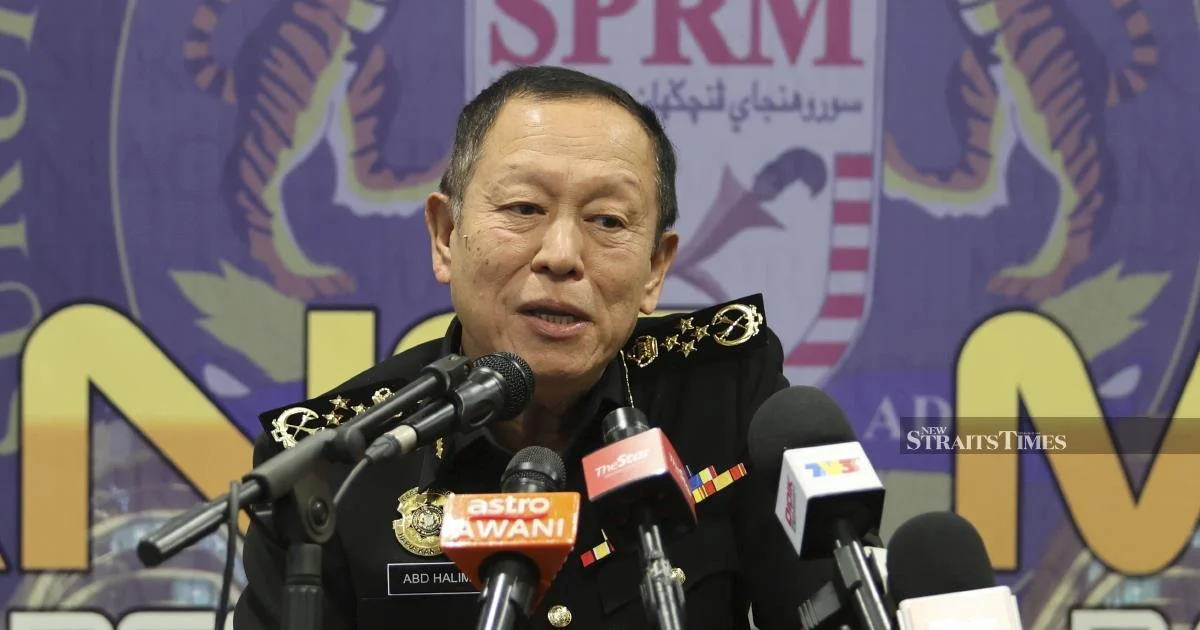
The Malaysian Anti-Corruption Commission has clarified that its investigation into Low Taek Jho, the fugitive businessman at the centre of one of the world's largest financial scandals, continues to be actively pursued and has not been terminated. The statement from MACC leadership addresses persistent questions about the status of the probe into the man widely connected to the massive 1MDB fund misappropriation that shook Malaysia's financial system.
Low Taek Jho, commonly known as Jho Low, fled Malaysia in 2015 as investigations into 1Malaysia Development Berhad intensified, eventually finding refuge abroad while remaining a subject of international law enforcement attention. The 1MDB scandal exposed systematic embezzlement from a sovereign wealth fund, with investigators tracing billions of ringgit that had been siphoned through complex international networks. His absence from Malaysian jurisdiction has not diminished official resolve to pursue the matter, according to MACC officials speaking from their Putrajaya headquarters.
The assertion that investigative work continues proves significant in the context of evolving developments in the broader 1MDB case. While several high-ranking Malaysian officials have faced trial and conviction in relation to the fund's mismanagement, Jho Low himself has successfully evaded extradition efforts from his undisclosed locations overseas. His status as a fugitive has complicated legal proceedings, yet it has not prompted authorities to formally close his case file, a position that maintains the theoretical possibility of future prosecution should circumstances change.
The persistence of the MACC investigation underscores Malaysia's determination to hold all implicated individuals accountable, regardless of geographical barriers. Even as domestic court cases have concluded and some convictions have been secured, the existence of an active probe into Jho Low signals that the authority views his continued flight as a temporary obstacle rather than a permanent impediment to justice. This stance reflects international best practices where major corruption investigations involving fugitives are typically maintained in an active status indefinitely.
For Malaysian readers and the broader Southeast Asian business community, the confirmation carries implications regarding the country's commitment to financial integrity and international cooperation on corruption matters. The 1MDB affair had triggered considerable diplomatic engagement with foreign governments and financial regulators worldwide, establishing networks that continue to operate in tracking proceeds of the alleged crimes. MACC's reaffirmation suggests these international mechanisms remain mobilised to support Malaysia's investigative efforts.
The ongoing nature of the investigation also reflects procedural realities in contemporary financial crime cases. Tracing the complex web of transactions that characterized 1MDB required cooperation across multiple jurisdictions, financial institutions, and regulatory bodies. Even as certain phases of investigation concluded, the international dimension of the case—with funds moving through banking systems globally—creates continuous opportunities for new evidence to emerge or additional avenues of inquiry to develop.
Jho Low's escape to foreign territories has been the subject of considerable speculation, with reports suggesting his movements across Asia and possible shelter in countries with limited extradition arrangements with Malaysia. Despite these evasion efforts, the MACC's statement indicates that closing his case would be counterproductive to Malaysia's law enforcement objectives. International experience with fugitive cases demonstrates that formal closure often signals reduced investigative priority, something Malaysia has chosen to avoid.
The reaffirmation also carries symbolic weight in Malaysia's broader anti-corruption framework. Following the change in government in 2018 and subsequent efforts to rebuild institutional credibility, the MACC has worked to demonstrate renewed commitment to investigating large-scale financial crimes regardless of political connections or the status of suspects. The public confirmation that Jho Low's case remains active serves to reassure the public and international observers that no stone has been left unturned in pursuit of accountability.
From a practical standpoint, maintaining active investigative status enables MACC to respond swiftly should new information materialise or if international partners uncover additional evidence linking Jho Low to criminal activity. The passage of time and evolving technologies in financial tracking mean that previously undetectable transactions or asset movements may become apparent through new investigative techniques or cooperation with international bodies. By keeping the case officially open, Malaysia preserves its capacity to act decisively if opportunities arise.
The statement from MACC leadership also reflects awareness that public confidence in Malaysia's commitment to the 1MDB investigations remains important for the country's international reputation and investor confidence. The scandal caused considerable reputational damage to Malaysia's standing as a destination for institutional investment, and ongoing demonstrated commitment to resolving all aspects of the case helps restore faith in the country's financial governance structures. For foreign investors and international businesses, knowing that authorities maintain active pursuit of major corruption cases provides reassurance about the seriousness with which Malaysia treats financial crimes.
As Jho Low continues to evade capture and the fugitive businessman remains at large, the MACC's confirmation that investigative work persists represents a statement of principle as much as operational reality. It signals that Malaysia will not abandon pursuit of accountability, even when direct apprehension appears unlikely in the immediate term.

