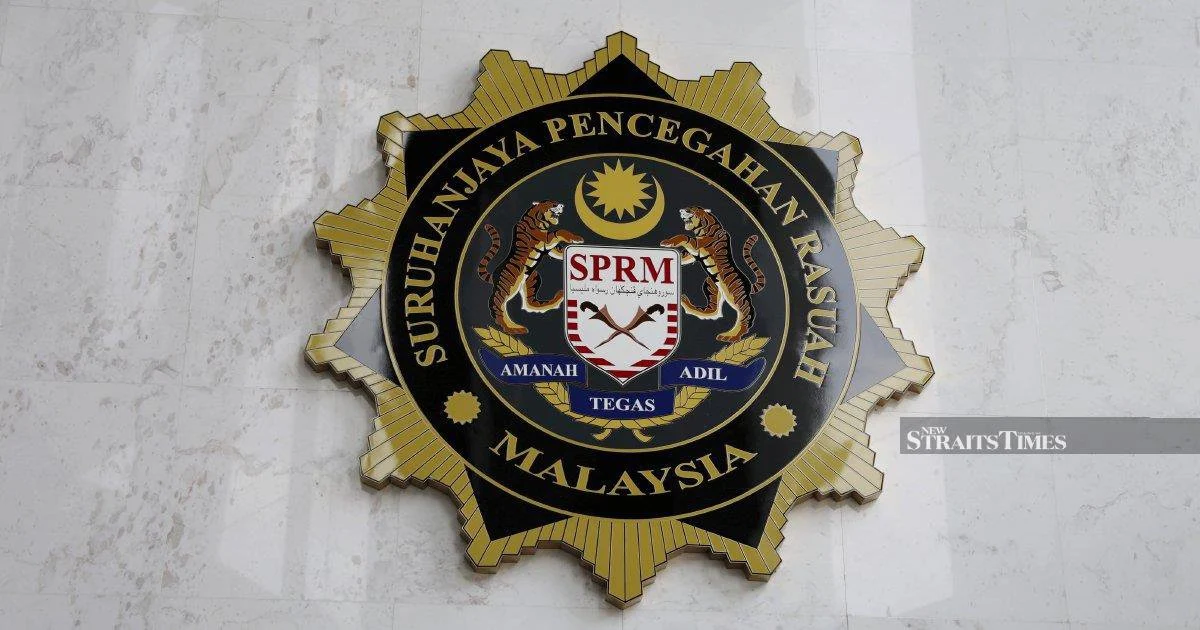
The Malaysian Anti-Corruption Commission has put forward a comprehensive set of six governance improvements designed to strengthen oversight of maintenance grant disbursements to temples, churches, and other non-Muslim places of worship across the country. The initiative, announced from MACC headquarters in Putrajaya, reflects growing concern about ensuring that public funds allocated for religious infrastructure are managed transparently and reach their intended beneficiaries efficiently.
The timing of this proposal comes amid broader regional scrutiny of how religious institutions handle government funding. Malaysia, as a multi-religious nation where Islam is the federal religion but other faiths enjoy constitutional protection, has long grappled with ensuring equitable resource allocation across different communities. The MACC's intervention suggests that previous grant distribution processes may have lacked sufficient checks or accountability mechanisms to safeguard against mismanagement or improper use of public money.
While the specific details of the six measures remain to be fully elaborated, such proposals typically encompass several critical governance areas. Enhanced documentation requirements would likely feature prominently, obligating temples and churches to maintain detailed records of how grants are utilised, from initial application through to final expenditure reporting. This creates an audit trail that helps track fund flow and deters potential misuse.
A second pillar would almost certainly involve clearer eligibility criteria and application procedures. Standardising how places of worship apply for maintenance grants reduces administrative inconsistency and creates transparent benchmarks that local authorities and religious bodies must follow. This prevents situations where grants might be awarded arbitrarily or where some institutions face barriers to accessing available funding due to unclear processes.
The MACC's push for improved governance also carries implications for how local authorities coordinate with religious institutions. Many maintenance grants originate from municipal councils or state religious departments, meaning their grant-making procedures require alignment with MACC recommendations. This could necessitate training programmes for local government officials responsible for evaluating applications and approving disbursements.
A third dimension likely involves oversight mechanisms and periodic audits. Religious institutions receiving public funds should expect independent verification that monies are spent as intended—on genuine maintenance activities rather than diverted to other purposes. Regular audits by qualified auditors, either internal or external, would help ensure compliance and identify irregularities early.
Transparency requirements probably constitute another key measure. Making grant information publicly accessible—detailing which institutions received funds, amounts awarded, and purposes specified—allows community scrutiny and helps deter misconduct. In Malaysia's diverse society, transparency can also help address concerns about potential bias or favouritism in grant distribution.
The MACC proposals may also address governance structures within religious institutions themselves. Many temples and churches operate through committees that manage finances and infrastructure. Strengthening their internal controls—such as requiring multiple signatories for large expenditures, implementing fixed asset registers, or conducting regular internal reviews—creates better safeguards before MACC audits occur.
For Malaysian readers, particularly those belonging to non-Muslim communities, these measures represent an important step toward protecting community interests. Religious institutions often serve not just as places of worship but as cultural and social centres. When grant mismanagement occurs, it affects entire communities' ability to maintain these vital spaces. MACC's intervention helps restore confidence that government allocations serve their intended purpose.
The initiative also signals MACC's commitment to addressing corruption across all sectors of Malaysian society, not merely political or corporate spheres. Religious institutions, like any organisations handling public funds, require oversight. This balanced approach—strengthening governance without suggesting systemic dishonesty—demonstrates how anti-corruption work complements rather than undermines religious freedom.
Implementation of these six measures will require coordination between MACC, religious authorities, local councils, and the institutions themselves. Many religious leaders have expressed commitment to good governance, viewing corruption as antithetical to their communities' values. This alignment of interests should facilitate smooth adoption of MACC's recommendations.
The longer-term impact may extend beyond immediate governance improvements. Clearer, more transparent grant processes could encourage smaller temples and churches that previously found application procedures intimidating to seek available funding for necessary repairs and maintenance. When procedures become standardised and well-documented, participation increases and resource distribution becomes more equitable across communities.
As Malaysia continues navigating religious harmony amid diversity, initiatives like the MACC's demonstrate that safeguarding taxpayer money and protecting religious communities' interests are complementary rather than competing objectives. By tightening grant management, the commission helps ensure that public resources serve all Malaysians fairly, regardless of their faith.

