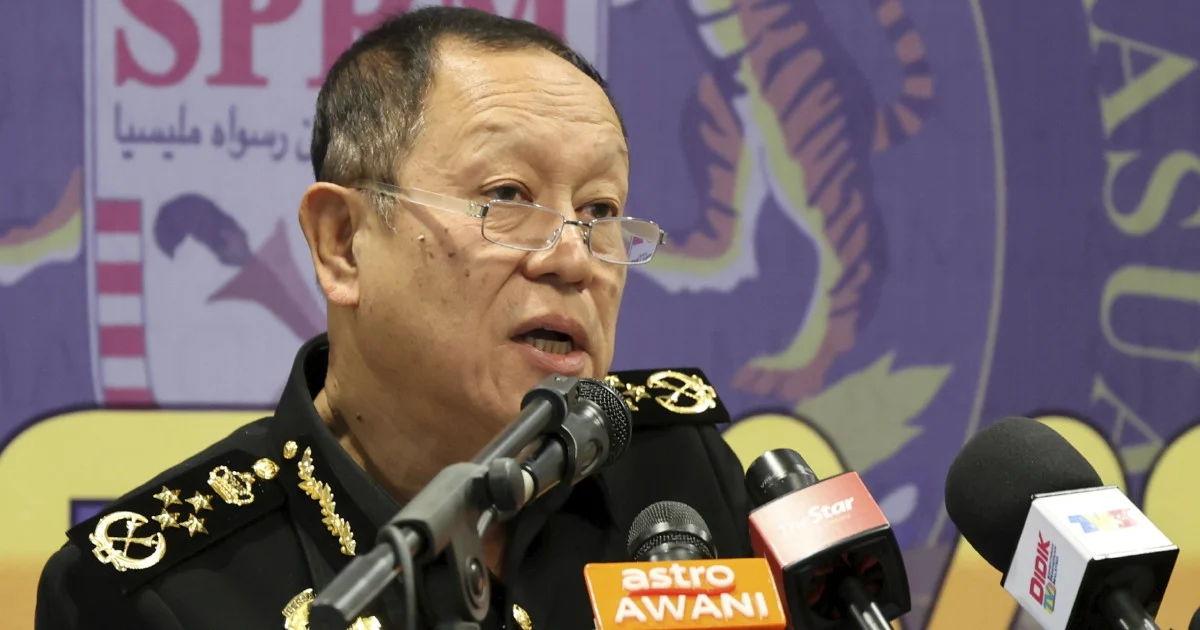
The Malaysian Anti-Corruption Commission (MACC) is set to deepen its long-running inquiry into the 1MDB scandal by summoning multiple witnesses to provide testimony about a high-value residential property in the United States that authorities suspect may have been acquired using misappropriated state fund monies. Among those expected to assist investigators is the wife of a former Malaysian prime minister, marking another significant development in the sprawling corruption probe that has reverberated through Malaysia's political establishment for years.
The investigation underscores the MACC's sustained effort to track assets allegedly purchased through 1Malaysia Development Bhd, the investment fund at the centre of one of the world's largest financial fraud schemes. Rather than focusing solely on domestic acquisitions, the commission has extended its reach internationally, recognizing that proceeds from the scheme were widely dispersed across multiple jurisdictions including the United States, Singapore, and the United Kingdom. This US-based property represents a critical piece of the evidentiary puzzle that investigators believe demonstrates the scale and reach of the diversion of public funds.
The 1MDB crisis has been a defining issue in Malaysian politics and governance over the past decade. The fund, which was established ostensibly to drive economic development and raise Malaysia's global investment profile, instead became a vehicle for massive embezzlement. Billions of dollars that were supposed to benefit Malaysian development projects were siphoned off by connected individuals and their international accomplices. The subsequent investigations and prosecutions have implicated senior political figures and exposed systemic weaknesses in Malaysia's financial oversight mechanisms.
The decision to question the wife of a former prime minister reflects the MACC's commitment to following evidence wherever it leads within the political and business elite. This development suggests that investigators have gathered sufficient preliminary material to warrant direct questioning from individuals with potential knowledge of the property transaction, including details about its acquisition, financing, and beneficial ownership. Such questioning typically represents a crucial investigative step that can either corroborate existing evidence or reveal new leads requiring further examination.
For Malaysian observers, the MACC's continued pursuit of 1MDB-related assets carries significant symbolic importance. Malaysia has worked to rehabilitate its international reputation following the revelations of wholesale corruption, and demonstrating a credible, independent investigation into high-level wrongdoing forms part of that recovery effort. The willingness to question family members of former leaders sends a message that no individual, regardless of political status, stands above the law in Malaysia's anti-corruption framework.
The property in question likely represents substantial value, given that it has attracted MACC attention amid the broader asset-tracing operation. Investigators will presumably seek to establish the chain of transactions, identify the ultimate source of funds used in the purchase, and determine whether those responsible were attempting to conceal assets or launder proceeds through the acquisition of foreign real estate. The US location adds complexity, as it requires coordination with American authorities and navigation of cross-border legal procedures.
From a regional perspective, Malaysia's handling of the 1MDB investigation serves as a test case for Southeast Asia's institutional capacity to address high-level financial crime. The scale of the scheme, which involved manipulation of global financial systems and the cooperation of international institutions, demonstrated vulnerabilities in how developing nations can protect their sovereign wealth. Malaysia's response—establishing dedicated investigative units, pursuing criminal prosecutions, and attempting asset recovery—offers lessons for other countries in the region seeking to strengthen their own anti-corruption mechanisms.
The questioning of additional witnesses suggests the MACC investigation remains active and that new angles continue to emerge even years after initial arrests and convictions. This persistence reflects both the complexity of tracing assets dispersed globally and the challenge of establishing criminal intent and direct culpability through the layers of corporate structures and intermediaries that were established to obscure the flow of funds. Each piece of the puzzle—each property, transaction, and bank transfer—requires individual investigation and corroboration.
The involvement of a former prime minister's family member also highlights how the 1MDB scandal penetrated Malaysia's highest political circles. While the most notorious cases have already resulted in convictions and lengthy prison sentences for some key figures, the investigation continues to examine the networks of associates, family members, and intermediaries who facilitated or benefited from the scheme. Understanding these networks is essential both for legal accountability and for implementing governance reforms to prevent similar schemes in the future.
Looking forward, the MACC's international asset tracing efforts may yield additional properties or financial holdings linked to 1MDB, particularly in major financial centres where luxury real estate serves as a vehicle for wealth storage and potential money laundering. Each discovery strengthens the prosecution's narrative about the systematic nature of the embezzlement and increases pressure on individuals connected to the scheme to cooperate or face charges. The investigation serves as a reminder that in an increasingly interconnected financial world, the consequences of grand corruption extend far beyond a single country's borders, requiring sustained international cooperation and domestic investigative rigour.

