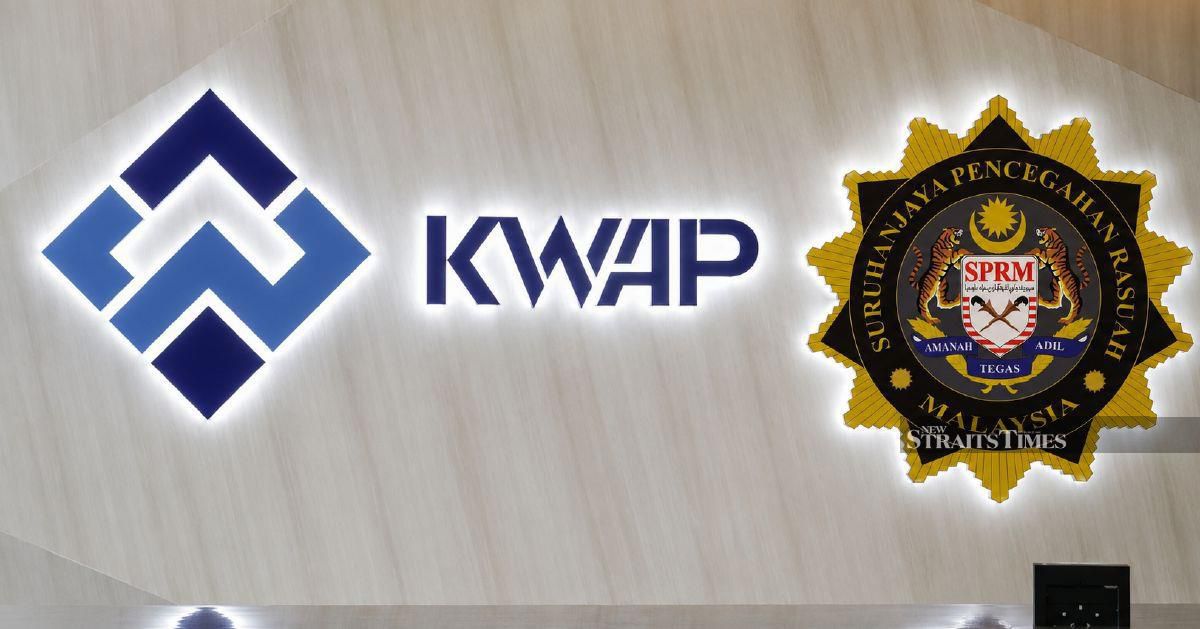
The Malaysian Anti-Corruption Commission is expected to reveal critical developments this week regarding its investigation into KWAP's substantial RM200 million investment in eFishery, an Indonesian aquaculture technology enterprise that has attracted significant scrutiny from Malaysian authorities and the investing public.
The probe has emerged as one of the more closely watched corruption investigations in recent months, given the scale of capital involved and the fact that KWAP—the Kumpulan Wang Persaraan Pilgrim, Malaysia's largest defined contribution pension fund serving civil servants—is entrusted with managing retirement savings for hundreds of thousands of Malaysian government employees. The extent to which proper due diligence and governance procedures were followed in channelling such a substantial sum into a foreign venture has become a central question.
When news of the investment initially surfaced, it raised significant questions within pension fund governance circles about whether adequate oversight mechanisms were in place. eFishery, though an innovative player in agricultural technology with a focus on modernizing small-scale fish farming across Southeast Asia, was perhaps an unconventional choice for a pension fund accustomed to more traditional investment portfolios. The decision to invest a quarter-billion ringgit into an emerging-market technology venture sparked immediate debate among fund analysts and policymakers about risk management and fiduciary responsibility.
The investigation itself reflects broader concerns within Malaysia's financial watchdog community regarding institutional investment practices. MACC's involvement signals that initial inquiries may have uncovered irregularities warranting formal corruption investigation protocols rather than simple administrative review. Such an escalation typically occurs when preliminary findings suggest potential breaches of trust, misuse of authority, or conflicts of interest requiring deeper forensic examination.
For Malaysian pension fund beneficiaries—the millions of civil servants whose retirement savings are held by KWAP—the investigation carries direct personal implications. Any mismanagement or improper decision-making at the institutional level ultimately affects fund performance and retirement security for these individuals. This reality has kept public attention focused on the MACC's progress and findings, with many stakeholders eager to understand whether proper procedures were followed and whether the investment decision reflected sound financial judgment.
The timing of the anticipated disclosure also matters significantly. As Malaysia continues efforts to strengthen institutional governance and enhance public confidence in how state assets are managed, clear communication from MACC about its findings will either reinforce public faith in existing oversight mechanisms or highlight systemic weaknesses requiring urgent reform. Either way, the investigation serves as a test case for how seriously Malaysia's anti-corruption apparatus treats institutional-level financial decisions involving substantial public resources.
Indonesian aquaculture represents a strategically important sector for regional development, with significant potential to improve food security and economic productivity across Southeast Asia. However, the controversy surrounding KWAP's involvement has somewhat overshadowed these broader sectoral opportunities. Clarifying exactly what occurred in the investment decision-making process will help separate legitimate strategic investment considerations from any improper conduct that may have influenced the transaction.
The eFishery investment also highlights the complex landscape facing Malaysian institutional investors operating across Southeast Asia. As regional economies integrate and investment flows increasingly cross borders, ensuring robust governance frameworks and transparent decision-making becomes more challenging yet more critical. International investments of this magnitude require scrupulous adherence to fiduciary standards and documented justification for how such capital allocations serve fund beneficiaries' long-term interests.
Expectations surrounding this week's disclosure have built gradually as the investigation progressed through various stages. Whether MACC intends to announce preliminary findings, charge recommendations, or further investigation timelines remains uncertain. However, observers anticipate that whatever information emerges will clarify which officials or decision-makers may have been involved and what specific irregularities, if any, triggered formal investigation.
The broader governance implications extend beyond KWAP itself. Other Malaysian institutions managing substantial public or quasi-public capital will likely face renewed scrutiny regarding their own investment approval processes and oversight mechanisms. The KWAP case demonstrates that institutional size and government connections do not exempt organizations from accountability standards. This principle, while seemingly self-evident, has not always been consistently applied historically, making this investigation potentially consequential for establishing stronger systemic practices.
For Malaysian investors and market watchers, the impending MACC announcement also carries implications for how similar cross-border investment proposals may be evaluated going forward. If investigation findings suggest procedural failures occurred, expect tighter documentation requirements and enhanced oversight mechanisms implemented across institutional investment frameworks. Conversely, if findings support the propriety of existing decision-making, such clearance could facilitate increased institutional participation in promising Southeast Asian ventures.

