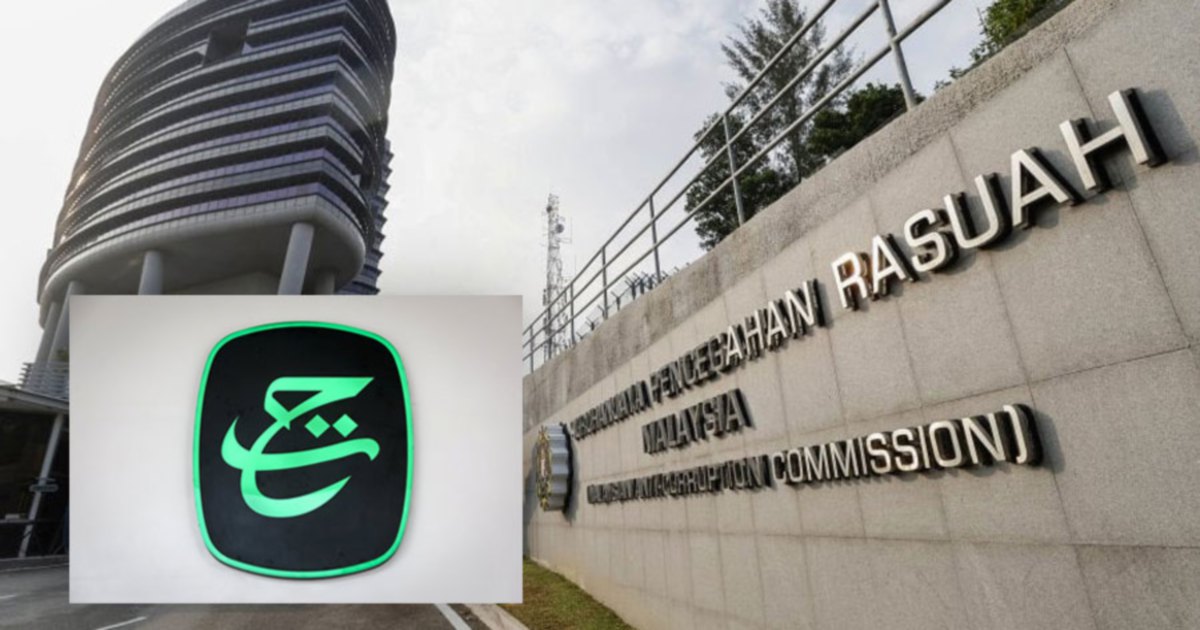
The Malaysian Anti-Corruption Commission has placed the former chief executive officer of Tabung Haji on its investigation agenda, with authorities preparing to issue a summons in the coming weeks. This development follows the completion of a Royal Commission of Inquiry that examined governance and operational failures at the Islamic pilgrimage fund, which manages billions of ringgit belonging to Malaysian Muslims saving for the Hajj.
Tabung Haji has faced intense scrutiny in recent years over significant losses and poor investment decisions that eroded the savings of millions of contributors. The RCI, established to investigate these lapses, submitted its findings to the relevant authorities, with the results apparently prompting MACC to widen its examination into those responsible for the fund's mismanagement. The former CEO is understood to be a primary focus of this inquiry, given his stewardship during a critical period when the losses accumulated.
The MACC's interest in the ex-chief reflects broader concerns about accountability within major government-linked institutions managing public resources and citizen savings. Tabung Haji's accumulated losses, which reached substantial levels in recent years, have devastated thousands of Muslims who depend on the fund for their pilgrimage savings. Many contributors lost significant portions of their deposits, raising questions about oversight, risk management, and executive decision-making at the institution's highest levels.
Investigations into major institutional failures in Malaysia typically unfold through multiple parallel channels. The RCI's role was to examine systemic issues and recommend structural improvements, while the MACC's remit focuses specifically on whether financial crimes or corruption occurred during the fund's management. This division of labour means the RCI report likely contained findings that triggered MACC's criminal investigation protocols.
For Malaysian readers and contributors to Tabung Haji, the MACC's move signals that consequences may finally be forthcoming for those whose decisions led to the fund's troubles. This is significant because public confidence in pilgrimage savings schemes depends partly on the assurance that leaders are held accountable when things go wrong. The investigation demonstrates the commitment to investigating such matters, though many have grown impatient with the pace of action.
The former CEO's anticipated summons represents just one element of what may be a broader investigation into TH's governance. Other executives, board members, or officials may face similar scrutiny depending on the RCI's findings and the evidence MACC uncovers. The commission has consistently prioritised high-profile cases involving public institutions, recognising their impact on institutional trust and citizen welfare.
Tabung Haji's troubles have served as a cautionary tale across Southeast Asia regarding the management of Islamic financial instruments and pilgrimage funds. The Malaysian case has drawn attention from other countries operating similar schemes, prompting conversations about best practices and governance standards. The MACC investigation's outcomes will likely influence how regional bodies approach oversight of large institutional savings programmes.
From a broader governance perspective, the timing of this investigation is noteworthy. Malaysia has in recent years made efforts to strengthen anti-corruption frameworks and institutional accountability, though progress has been uneven. High-profile investigations into government-linked companies and their leadership send important signals about the seriousness of these commitments, even if implementation sometimes lags public expectations.
Contributors to Tabung Haji number in the millions, making this one of Malaysia's most widely affected institutional scandals. The financial consequences ripple through families and communities, particularly among lower-income contributors for whom the Hajj represents a once-in-lifetime aspiration that requires careful financial planning. When institutional mismanagement jeopardises these savings, it affects not only individual families but broader social cohesion and trust in financial institutions.
The MACC's investigation will likely examine investment decisions, approvals processes, board oversight, and compliance with financial regulations during the former CEO's tenure. Understanding whether decisions constituted negligence, poor judgment, or deliberate misconduct will shape the nature of any charges that might eventually follow. The threshold for criminal corruption allegations is typically higher than mere poor management, though Malaysian law does recognise offences related to abuse of position within public institutions.
Looking ahead, the investigation's scope and findings will be closely watched by Malaysian civil society, the business community, and the wider public. The Tabung Haji case has become emblematic of concerns about governance in Malaysia's public sector, with many viewing the outcome as a test of whether accountability mechanisms actually function when major institutions and powerful individuals are involved.

