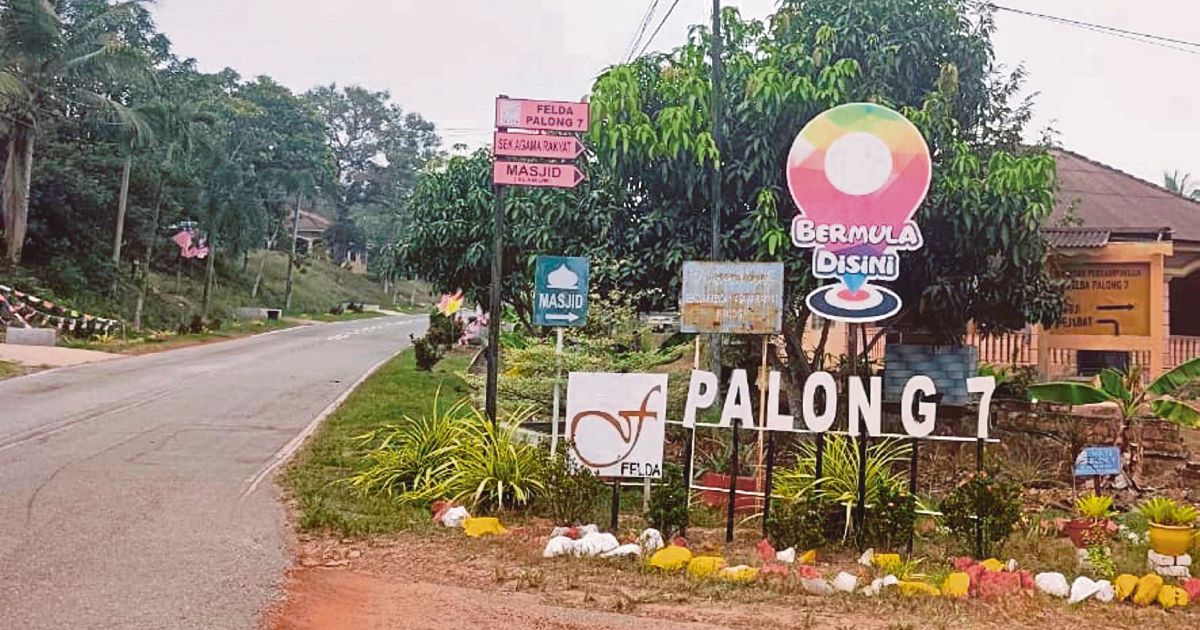
The Malaysian Anti-Corruption Commission has launched a documentary review into alleged improprieties surrounding a substantial oil palm replanting undertaking at Felda Palong 7 in Jempol, Negri Sembilan, with the project carrying an estimated value of RM80 million. This development represents another scrutiny of Felda's operations, the federal land development authority that manages some of the country's most significant agricultural holdings.
Investigators are examining at least five key documents as part of their preliminary assessment into the matter. The scope of this review suggests the MACC is taking a methodical approach to understanding the financial flows and administrative procedures connected to the replanting initiative. The documentation under examination likely includes procurement records, project approval documentation, contractor agreements, and financial transaction logs that would illuminate how funds were allocated and whether proper channels were followed.
Felda Palong 7, situated in the Jempol district of Negri Sembilan, represents one of the established federal land schemes that has undergone modernization efforts in recent years. Oil palm replanting projects are routine within Felda's portfolio, typically aimed at rejuvenating ageing plantations and enhancing productivity. However, the scale of this particular initiative—valued at RM80 million—positions it as a significant financial commitment requiring rigorous oversight and transparent execution.
The allegation of irregularities carries particular weight given Malaysia's heightened focus on governance and fiscal accountability within state-linked enterprises. Felda has faced previous scrutiny regarding management practices and financial decisions, making this fresh investigation reflective of broader concerns about how public resources are deployed across the authority's operations. The MACC's involvement signals that the suspected departures from standard procedures warrant formal investigation rather than internal remedial action alone.
Replanting projects within palm oil operations typically involve substantial expenditure on site preparation, seedling procurement, labour costs, and technical oversight. When such sums are involved, the opportunities for procedural deviation—whether through inadequate competitive tendering, inflated pricing, unauthorized variations, or payment irregularities—multiply considerably. The specific nature of the alleged irregularities remains undisclosed at this stage, though the documentary focus suggests financial rather than operational concerns.
For Malaysian readers and investors monitoring governance standards within domestic enterprises, this investigation underscores the ongoing implementation of anti-corruption mechanisms across the agricultural sector. The oil palm industry remains economically vital to Malaysia's revenue generation and employment, yet periodic lapses in administrative rigour have periodically undermined public confidence. The MACC's willingness to examine Felda projects demonstrates that even established authorities remain subject to scrutiny.
The timeline for the MACC's review remains unspecified, though preliminary document examination typically progresses toward interviews with involved parties should evidence suggest grounds for further investigation. The commission's methodical approach—focusing initially on paperwork rather than making immediate accusations—aligns with standard investigative protocol and reflects the complexity inherent in analysing large-scale development projects involving multiple stakeholders.
For Felda itself, any confirmed irregularities would necessitate corrective measures and potentially disciplinary action against responsible personnel. The authority operates within Malaysia's broader context of governance reform, where transparency and accountability have become increasingly non-negotiable expectations. Projects of this magnitude require documentation that withstands external audit, and any departures from established procedures invite legitimate inquiry.
Beyond the immediate implications for Felda Palong 7, this investigation illustrates the MACC's broader mandate to examine financial irregularities within public and publicly-funded entities. Agricultural development schemes, while essential to rural prosperity and food security, must still operate according to established procurement and financial management standards. The investigation reflects a commitment to ensuring that development resources serve their intended beneficiaries efficiently and transparently, rather than being diverted through procedural gaps.
The oil palm industry faces mounting international scrutiny regarding environmental and social practices, making it essential that domestic governance standards remain robust. Malaysian stakeholders recognise that maintaining credible oversight mechanisms strengthens rather than undermines the sector's reputation globally. When irregularities are detected and investigated, transparent resolution serves to reinforce institutional credibility.
As the MACC progresses through its document review, the investigation will likely determine whether the Felda Palong 7 project represents a case of administrative oversight requiring corrective process improvements, or whether deliberate deviation from established procedures warrants more serious action. Either outcome carries implications for how comparable future projects should be structured and monitored.

