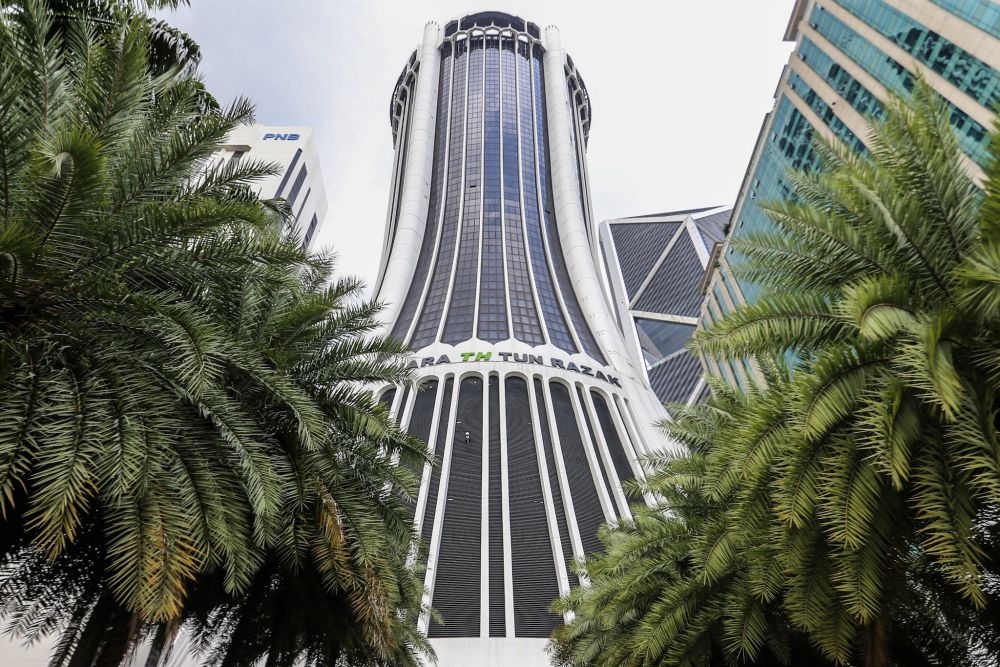
The Malaysian Anti-Corruption Commission, Royal Malaysia Police and Inland Revenue Board have significantly expanded their investigative efforts into suspected misconduct at Tabung Haji, acting on findings detailed in a recently completed Royal Commission of Inquiry report that exposed systemic governance failures at the Islamic pilgrimage fund. The coordinated response underscores the severity with which federal authorities are treating the allegations and signals a broader determination to hold senior management accountable for breaches of fiduciary duty and potential financial crimes that may have harmed hundreds of thousands of account holders.
Tabung Haji, one of Malaysia's largest financial institutions with assets exceeding RM70 billion and serving approximately 8.8 million contributors, has faced mounting scrutiny over the past two years as irregularities in investment decisions, land acquisitions and administrative practices came to light. The Royal Commission's investigation, which concluded after months of public hearings and evidence gathering, identified significant departures from established governance protocols and instances where institutional resources appear to have been deployed without proper oversight or compliance with regulatory frameworks. These findings have provided enforcement agencies with a detailed roadmap for their criminal investigations.
The MACC's involvement in the probe reflects the presumed corruption elements within the alleged misconduct, suggesting investigators suspect improper financial transactions, abuse of authority or enrichment schemes involving senior officials or business associates. The anti-corruption body's participation signals that allegations extend beyond simple mismanagement into territory that may constitute criminal conduct warranting prosecution. This is particularly significant given the fund's status as a trust institution managing savings exclusively for Malaysian Muslims preparing for their Hajj pilgrimage, making any breach of this sacred financial relationship doubly problematic from both a legal and social perspective.
Police involvement indicates investigators are examining potential offences under the Penal Code and financial crime statutes, possibly including breach of trust, criminal misconduct by public servants, money laundering, or fraud. The Royal Malaysia Police's Commercial Crime Investigation Department typically assumes lead responsibility in such cases, coordinating with federal agencies to build prosecutable cases that can withstand courtroom scrutiny. The police investigation framework allows for broader interviewing of witnesses, executives and connected parties, as well as seizure of documentary evidence and forensic analysis of financial records.
The Inland Revenue Board's participation suggests the tax angle of these investigations may be substantial. Investigators likely suspect that certain transactions were structured to avoid tax obligations, that undisclosed income flowed to officials or related parties, or that charitable deductions were improperly claimed. For a fund built on Islamic principles of transparency and accountability to contributors, any tax-related improprieties compound the breach of trust. The IRB brings specialised expertise in tracing financial flows, identifying shell companies and uncovering hidden wealth that may not have been properly declared.
The multi-agency approach reflects lessons learned from previous major corruption cases in Malaysia where fragmented investigations sometimes allowed suspects to exploit gaps between different enforcement bodies. By establishing formal coordination mechanisms from the outset, the three agencies can share investigative leads, cross-reference findings and build a comprehensive picture of alleged misconduct rather than pursuing parallel, potentially redundant investigations. This integration is particularly crucial when examining complex financial institutions where transactions may appear routine on the surface but conceal underlying impropriety when examined holistically.
For Tabung Haji's millions of contributors, whose life savings are invested in the fund, the escalation of formal investigations offers both reassurance and concern. Reassurance comes from seeing state institutions mobilised to protect public assets and hold wrongdoers accountable; concern arises from the questions these investigations inevitably raise about the security of their deposits and the competence of current management to restore institutional integrity. The fund has already implemented governance reforms following initial revelations, including leadership changes and suspension of certain investment activities pending review.
The timing of investigation intensification carries political implications as well. Tabung Haji irregularities have become a matter of significant public interest and media coverage, with accountability demands echoing across parliamentary committees and civil society organisations. A visibly vigorous enforcement response demonstrates government seriousness in addressing what many Malaysians view as a betrayal of religious trust and fiduciary duty. However, the investigations must navigate carefully to ensure that enforcement action appears driven by evidence rather than political convenience, maintaining public confidence in prosecutorial independence.
International best practice in managing post-inquiry investigations emphasises the importance of protecting whistleblowers, securing cooperation from current and former officials, and preventing destruction of evidence. Malaysian authorities will be conscious of the reputational stakes involved and the precedent being set for how the nation's institutions respond to institutional corruption within trust-based financial entities. The cases that emerge from these investigations could reshape governance expectations across the broader Islamic finance sector and public fund management more broadly.
Stakeholders across Malaysia's financial, regulatory and political landscape will be closely monitoring the investigation progress and eventual charges or prosecutions that result. The breadth of the probe and coordinated agency involvement suggest that authorities anticipate uncovering misconduct of sufficient scale and seriousness to warrant multiple criminal charges against several individuals. For contributors, regulators and the broader public, successful prosecution of wrongdoers represents essential restoration of institutional credibility and affirmation that even large, seemingly untouchable institutions remain subject to the rule of law and accountability mechanisms that protect public trust.

