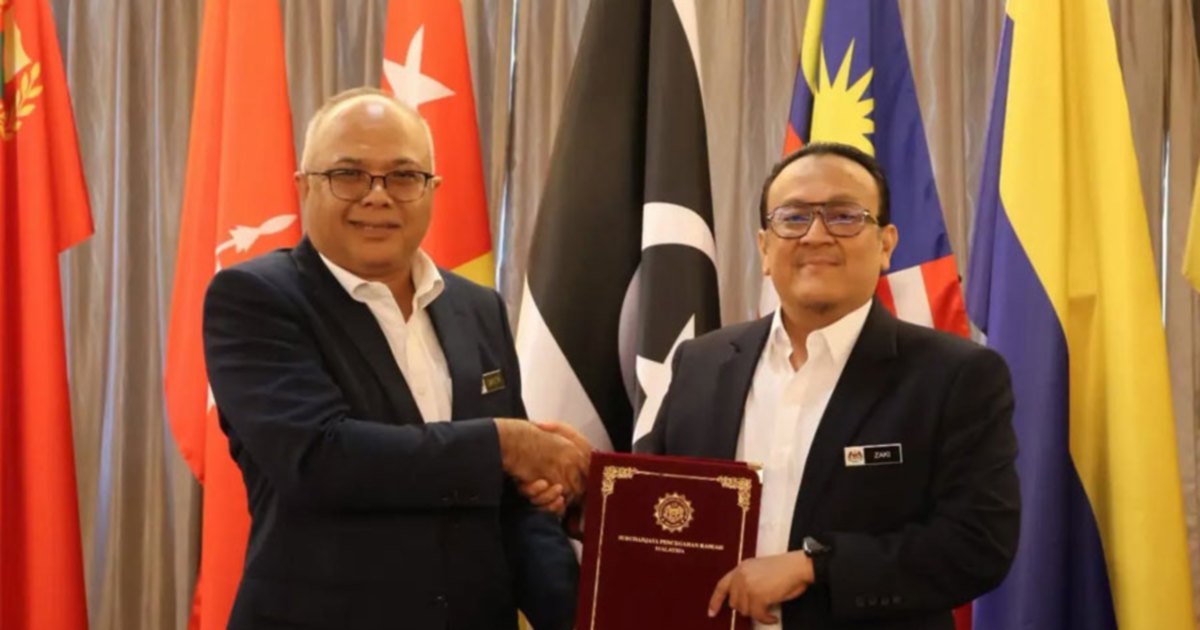
The Malaysian Anti-Corruption Commission has put forward six governance reforms designed to fortify the country's Cooking Oil Price Stabilisation Scheme, signalling growing concern about inefficiencies and illicit practices within one of Malaysia's most economically sensitive subsidy programmes. The proposals, detailed in Putrajaya, represent an attempt to clamp down on the diversion of subsidised oils away from intended domestic consumers and into black markets or export channels where profits can be extracted at the expense of state coffers.
Cooking oil subsidies rank among Malaysia's most substantial fiscal commitments, with government expenditure running into billions of ringgit annually to keep prices affordable for ordinary households and food manufacturers. Yet the scheme has long been plagued by leakage problems, where subsidised supplies intended for local consumption mysteriously vanish into informal networks or are smuggled across borders to neighbouring countries where unsubsidised prices command premium markups. Each tonne diverted represents direct revenue loss and undermines the social objective of supporting lower-income families and maintaining food security.
The MACC's intervention underscores how anti-corruption agencies across Southeast Asia are increasingly focusing on subsidy systems as high-risk domains for illicit activity. Unlike one-off corruption scandals involving specific projects or contracts, subsidy schemes operate as continuous, large-scale programmes where systemic weaknesses can be exploited repeatedly over months or years. The cooking oil portfolio presents particular vulnerability because the commodity is tradeable, fungible, and crosses multiple jurisdictions, making tracking and accountability inherently difficult.
The proposed reforms address structural gaps in the current governance framework. By strengthening institutional checks and oversight mechanisms, the MACC is attempting to create redundancies that make it harder for any single actor to facilitate large-scale diversion. Such measures typically include enhanced verification procedures at distribution points, improved documentation trails from refineries through wholesale channels to retailers, and cross-agency information sharing that allows suspicious patterns to be detected early. The effectiveness of these recommendations will depend heavily on inter-agency coordination and political will to enforce penalties against violators, whether they are traders, distributors, or even officials within implementing ministries.
Malaysia's experience with subsidy leakage reflects broader challenges facing developing and middle-income economies that attempt to support essential commodity prices for welfare reasons. Governments must balance fiscal sustainability against social objectives, yet elaborate control systems themselves consume resources and can create bottlenecks that trigger parallel grey markets. The MACC's approach suggests that better governance rather than expanded enforcement is the preferred path, though sceptics question whether procedural improvements alone can overcome structural incentives driving smuggling and diversion when price differentials with neighbouring countries remain substantial.
For Malaysian consumers and small businesses, the cooking oil subsidy remains a critical lifeline shielding them from volatile global commodity prices. When subsidised supplies dry up because of diversion, retailers may be forced to source from higher-cost unofficial channels or face shortages, effectively negating the subsidy's benefit. Food manufacturers reliant on predictable cooking oil costs for their production see margins compressed and competitiveness diminished when access to subsidised supplies becomes unreliable. The MACC's focus on reducing leakage therefore has direct implications for price stability and business planning across the economy.
The timing of these proposals reflects heightened scrutiny of state spending in Malaysia. With government finances under pressure and debt levels elevated, maintaining programmes that do not deliver intended benefits has become politically untenable. Subsidy reviews have become routine across the region, yet cooking oil remains politically sensitive because price hikes directly affect consumer welfare and food inflation, making reform gradual and tentative. The MACC's recommendations appear positioned as evidence-based middle ground, showing how corruption risks can be mitigated without requiring immediate subsidy withdrawal.
Implementation will test the sincerity of reform commitments. Previous governance initiatives targeting other subsidy schemes or procurement processes have sometimes stalled when bureaucratic resistance emerged or enforcement proved inadequate. The MACC will need to maintain pressure on line ministries and monitoring agencies to sustain momentum beyond the initial announcement phase. Malaysian regulators and anti-corruption bodies elsewhere in Southeast Asia will be watching whether these reforms actually reduce leakage or merely add procedural layers without shifting underlying incentives that drive diversion.
Regional implications extend beyond Malaysia's borders. Singapore, Brunei, and other neighbours benefit indirectly from Malaysian subsidy leakage when diverted oils enter their markets at prices below global levels, creating diplomatic friction over unfair trade practices. If Malaysia successfully plugs these gaps, it may raise prices for illicit consumers and regional smuggling networks while improving transparent market competition. Such spillover effects illustrate how subsidy governance in one country can have cross-border dimensions that governments have incentives to address but limited unilateral tools to resolve.
The MACC's proposals represent a recognition that anti-corruption strategy must evolve beyond investigating headline scandals toward embedding preventive controls within routine systems handling public resources. Cooking oil subsidies will remain expensive, but directing those expenditures toward their intended beneficiaries rather than into private profit channels represents a step toward efficiency and equity. Whether Malaysia's institutional architecture can sustain such reforms remains a test of whether transparency and accountability measures can match the sophistication of diversion schemes that have been refined over years of practice.

