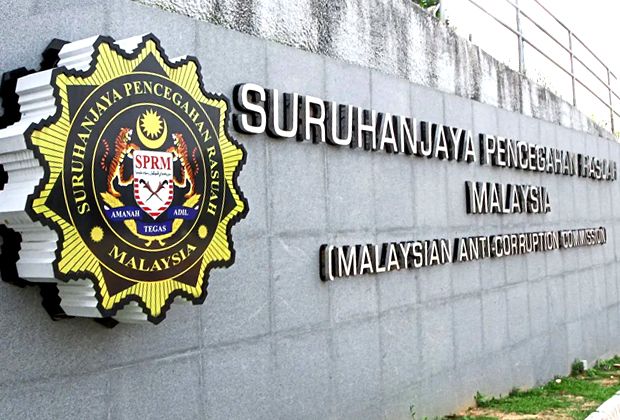
The Malaysian Anti-Corruption Commission (MACC) has formally withdrawn seizure orders that had frozen the bank accounts of Rohas Tecnic's subsidiary HGPT, along with the personal accounts of current and former company officers. The revocation clears the way for the power transmission and telecommunication tower manufacturer to restore full banking access and resume ordinary commercial operations without restrictions.
In its disclosure to Bursa Malaysia, Rohas Tecnic confirmed that all previously frozen accounts linked to HGPT have now been released. This development marks a significant turning point for the company after months of operational constraints arising from the MACC's initial enforcement action. The removal of these financial restrictions enables the group to conduct its banking affairs and undertake business activities without the hindrance of account seizures.
The sequence of events began on October 17, 2025, when Rohas Tecnic and two subsidiaries—HGPT and Rohas-Euco Industries Bhd (REI)—received simultaneous freezing and seizure orders from the MACC. These actions were executed under the broad powers granted by Section 44(1) and Section 50(1) of the Anti-Money Laundering, Anti-Terrorism Financing and Proceeds of Unlawful Activities Act 2001 (AMLA). The orders applied to various bank accounts held in the names of the parent company, its subsidiaries, and related individuals.
The revocation process unfolded gradually across late November 2025. On November 26, both Rohas Tecnic and HGPT received formal revocation orders issued by the Deputy Public Prosecutor under Section 50(1) of AMLA. The previous day, REI had already obtained its own revocation orders from the MACC itself, issued under Section 44A of AMLA. This staggered approach suggests that the legal review and clearance process involved coordination between multiple enforcement and prosecutorial bodies.
For Malaysian businesses subject to AMLA enforcement actions, the revocation of such orders represents a crucial inflection point. While anti-money laundering legislation remains essential for combating financial crime and terrorism financing, the freezing of corporate and personal accounts creates immediate operational paralysis. Companies cannot meet payroll obligations, service supplier contracts, or maintain ordinary cash flow management during the period of restriction. The lifting of these orders therefore restores the company's ability to function as a conventional commercial enterprise.
Rohas Tecnic's experience highlights the significant impact that AMLA enforcement actions can have on mid-sized industrial enterprises in Malaysia. Even when such orders are ultimately revoked—suggesting the initial basis for the seizure may have been resolved, clarified, or determined insufficient—the interim period creates substantial disruption. The company and its subsidiary HGPT faced months of constrained operations, which likely affected their capacity to execute contracts, manage working capital, and maintain supplier relationships.
The AMLA framework, while necessary for Malaysia's regulatory standing and international compliance obligations, grants enforcement agencies substantial discretion in deploying freezing and seizure powers. Section 50(1) in particular permits authorities to seize property suspected of involvement in unlawful activities without the immediate requirement for court conviction. This ex parte authority serves legitimate security purposes but also demands careful application and timely review. The MACC's decision to revoke these orders indicates that upon closer examination or receipt of additional information, the agency determined that continued account restrictions were not justified.
For corporate boards and finance teams across Malaysia, Rohas Tecnic's situation underscores the importance of maintaining robust compliance frameworks and transparent financial record-keeping. Companies operating in sectors such as power transmission infrastructure and telecommunications remain subject to heightened regulatory scrutiny due to the strategic nature of their assets and the potential for their involvement in complex financial structures. The ability to respond swiftly and cooperatively to MACC inquiries and provide clear documentation of legitimate business purposes for transactions can materially affect the duration and scope of any enforcement action.
The revocation also carries implications for HGPT's officers, both current and former. The freezing of personal bank accounts alongside corporate accounts can extend serious hardship to individual executives, affecting their personal financial security and family obligations. The lifting of these orders restores their full access to personal funds and removes the stigma of financial restriction that can accompany AMLA actions. This becomes particularly important in the case of former officers, who may have had no ongoing involvement in the activities that prompted initial scrutiny.
Moving forward, Rohas Tecnic faces the task of reestablishing normal operational rhythms after months of constraint. While the revocation orders clear the immediate legal barrier to banking activity, the company may still face ancillary consequences from the period of disruption. Supplier relationships may need to be rebuilt, project timelines may require renegotiation, and internal confidence in financial management protocols may need reinforcement. The commercial fallout from enforcement action, even when ultimately lifted, can persist long after legal restrictions are withdrawn.
The revocation process itself demonstrates that Malaysia's institutional framework provides avenues for reviewing and correcting enforcement actions when circumstances warrant. The involvement of both the Deputy Public Prosecutor and the MACC in issuing separate revocation orders reflects appropriate institutional checks and balances. However, the gap between the initial freezing order in October and the revocation orders in late November—a span of more than a month—highlights the urgency of ensuring that such reviews occur as expeditiously as possible when seized funds belong to operating enterprises rather than suspected proceeds of crime.

