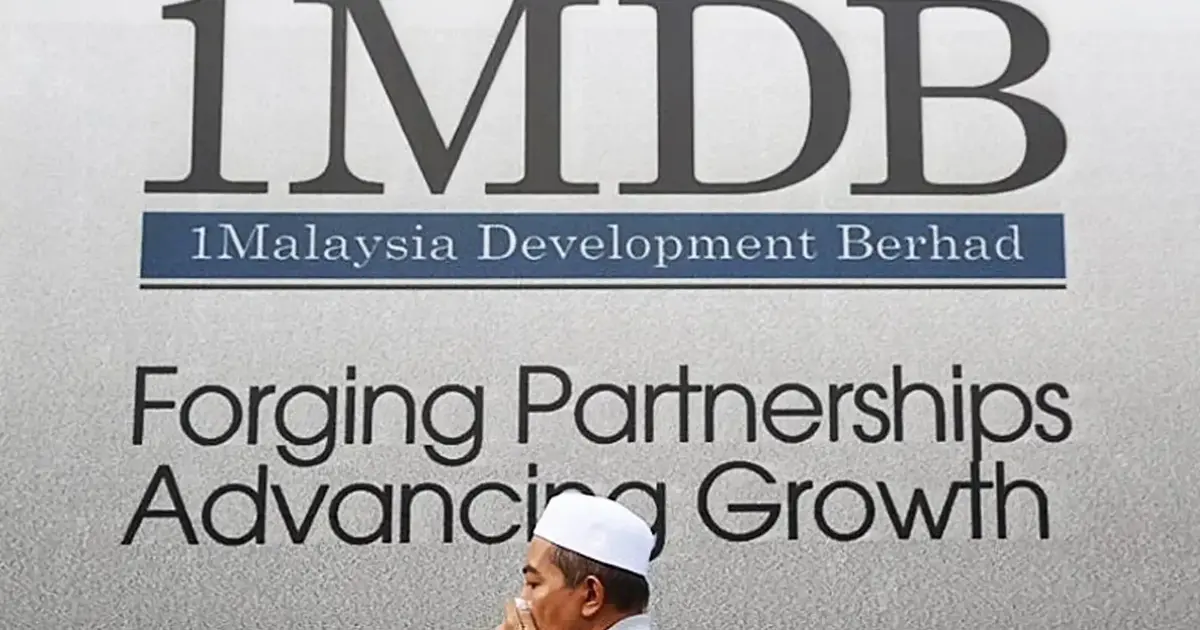
Malaysia's Malaysian Anti-Corruption Commission (MACC) has initiated a comprehensive investigation into a portfolio of overseas luxury properties valued at RM59 million that are allegedly connected to the 1MDB financial scandal. According to MACC Chief Commissioner Abd Halim Aman, the probe focuses on establishing whether illicit funds were channelled into acquiring these assets and whether the transactions breached anti-money laundering statutes. The investigation represents a continuation of the country's efforts to recover assets linked to what has become one of the world's largest known kleptocratic schemes.
The MACC's decision to examine these properties signals that investigators have uncovered fresh leads or documentation suggesting that substantial sums from 1MDB may have been deployed to purchase international real estate holdings. The RM59 million figure underscores the scale of alleged asset diversification undertaken by those suspected of orchestrating the theft. By channelling wealth into foreign property markets, perpetrators could potentially obscure the origins of illicitly obtained funds while simultaneously securing tangible assets outside Malaysia's jurisdiction, a common strategy employed in transnational financial crimes.
Abd Halim Aman's public statement indicates that the anti-corruption agency is pursuing multiple investigative angles simultaneously. Beyond establishing the link between these properties and 1MDB funds, MACC is examining whether the acquisition process involved corruption—potentially through bribery of officials who might have facilitated fraudulent documentation or expedited approvals. The money laundering dimension of the probe suggests investigators believe the funds underwent deliberate transformation to obscure their criminal origins before being invested in property markets.
The 1MDB scandal, which erupted in 2015, exposed how billions of dollars were misappropriated from a state investment fund over several years. The fallout included criminal convictions, civil asset recovery proceedings across multiple jurisdictions, and sustained international pressure on Malaysia to strengthen governance frameworks. The discovery of overseas property holdings tied to the scandal demonstrates how perpetrators attempted to place stolen wealth beyond immediate reach by embedding it in foreign real estate markets, where detection and recovery become substantially more complex.
For Malaysian readers, the MACC's renewed focus on asset recovery carries significant implications. Each successfully traced and recovered asset represents public funds returned to the nation's treasury and reinforces the country's commitment to combating kleptocracy and institutional corruption. The investigation also reflects Malaysia's maturing capacity to conduct cross-border financial investigations and cooperate with international enforcement agencies to identify hidden assets. This capability proves essential as sophisticated criminals increasingly exploit global financial systems to launder proceeds and relocate ill-gotten wealth.
The investigation underscores the persistent challenge facing developing economies attempting to recover assets stolen by their own elites. Luxury property markets in major international financial centres—whether in London, New York, Singapore, or Hong Kong—have historically provided safe havens for questionable wealth. Identifying the beneficial owners of properties held through complex corporate structures, shell companies, and nominee arrangements requires sustained investigative effort, international legal cooperation, and sometimes years of litigation. The RM59 million identified by MACC likely represents only a portion of overseas holdings requiring investigation.
Beyond immediate asset recovery, the MACC's inquiry into these properties serves a broader institutional purpose. Public disclosure of ongoing investigations demonstrates that accountability mechanisms continue functioning and that no timeframe exists for statute of limitations to erode scrutiny of historical misconduct. This institutional messaging matters for regional governance, as Southeast Asian nations increasingly benchmark their anti-corruption efforts against peers and international standards. Malaysia's persistence in pursuing 1MDB-related cases signals to both domestic and international audiences that the country takes financial crimes seriously despite the complexity and cost of investigations spanning continents.
The investigation also highlights the intricate relationship between corruption, money laundering, and asset recovery within the Malaysian legal framework. Prosecutors must establish sufficient evidence of predicate offences—the underlying corruption or fraud—before pursuing money laundering charges. Similarly, civil asset recovery mechanisms require demonstrating that properties constitute proceeds of unlawful activity or represent proceeds derived from particular offences. The convergence of these investigative and legal requirements explains why tracking stolen assets through international property markets demands specialized expertise and resources that MACC continues developing.
For Southeast Asian policymakers and financial regulators, the MACC investigation offers practical lessons about the vulnerabilities within regional financial systems. Sophisticated money laundering often exploits the opacity of international real estate transactions, cross-border banking arrangements, and the limited real-time information-sharing between jurisdictions. Addressing these vulnerabilities requires not merely enhanced domestic enforcement capacity but also strengthened regional cooperation frameworks and international agreements on asset tracing and recovery. Malaysia's experience with 1MDB-linked assets provides a cautionary template for neighbouring countries with comparable governance challenges.
The broader trajectory of MACC's 1MDB investigations suggests that asset recovery efforts will continue for years, with new discoveries likely emerging as investigators methodically examine financial records, corporate registries, and property holdings across multiple jurisdictions. Each identified asset expands the total recovery potential, though realizing these recoveries through litigation and negotiation with foreign authorities consumes substantial institutional resources. The RM59 million overseas property portfolio now under investigation represents both a success in detection and an indication of the formidable work remaining to comprehensively account for 1MDB's missing billions.

