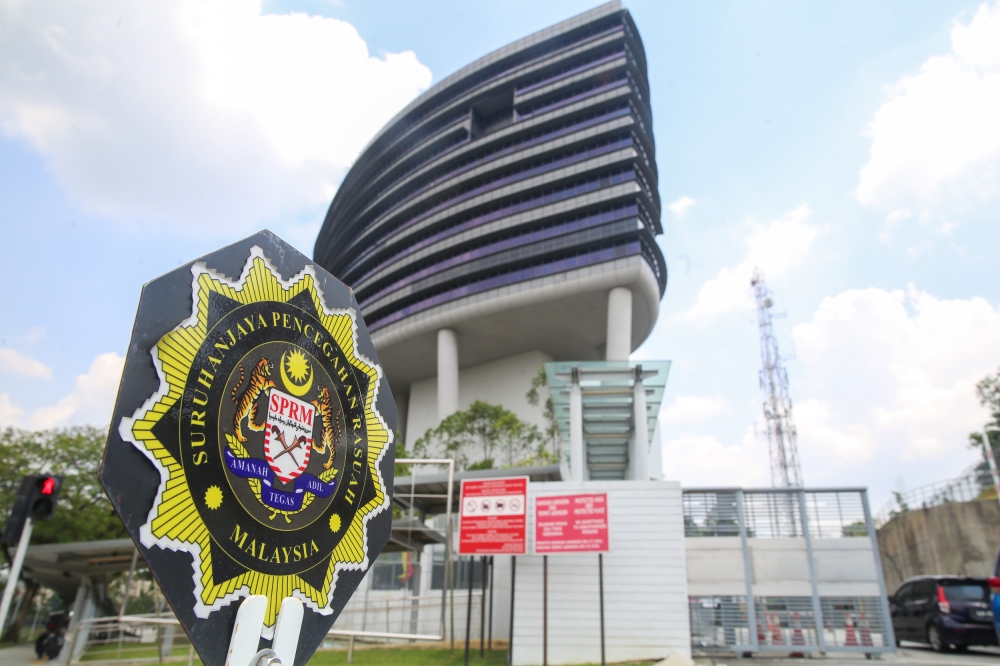
The Malaysian Anti-Corruption Commission announced a significant expansion of its digital forensics infrastructure, positioning the agency to meet evolving challenges posed by increasingly sophisticated technology in corruption cases. The enhancement reflects growing international concern about how artificial intelligence and deepfake technology can be weaponised to obscure evidence, discredit witnesses, and undermine integrity in anti-corruption investigations across the region.
As fraud schemes become more technically advanced, law enforcement agencies worldwide face mounting pressure to upgrade their investigative tools. The MACC's move recognises that traditional methods of evidence analysis are no longer sufficient when suspects can deploy AI-powered manipulation techniques to alter audio recordings, video footage, and digital documents. This technological arms race between investigators and those seeking to evade detection has become a defining characteristic of modern corruption cases.
The investment in enhanced digital forensics capabilities addresses a critical vulnerability in Malaysia's anti-corruption framework. Deepfakes—synthetic media created using machine learning algorithms to convincingly replace a person's likeness or voice—pose particular risks in high-profile cases where public perception matters significantly. A manipulated recording of a confession or incriminating conversation could contaminate evidence chains or create reasonable doubt during prosecution, potentially derailing cases built on digital evidence.
The MACC's initiative also signals recognition that corruption networks are increasingly international and sophisticated. Transnational graft schemes frequently involve digital communications across borders, encrypted channels, and cloud-based document storage. Investigators must now possess not only the technical expertise to recover and authenticate digital evidence but also the ability to determine whether such evidence has been compromised or fabricated. This represents a substantial expansion beyond traditional forensic capabilities.
Southeast Asia presents a particularly complex environment for anti-corruption work. The region's rapid digital transformation has created new vulnerabilities while generating vast amounts of potential evidence stored across multiple platforms and jurisdictions. Malaysian companies and government agencies increasingly rely on digital infrastructure for sensitive communications, making them vulnerable to sophisticated manipulation. Simultaneously, the region has become a testing ground for various AI technologies, including those designed for synthetic media generation.
The timing of this announcement reflects broader global trends. Several advanced economies have already established dedicated units to investigate crimes involving AI-generated evidence. The MACC's decision to develop comparable capacity demonstrates Malaysia's commitment to maintaining investigative standards consistent with international best practices while addressing threats specific to the local and regional context.
For businesses operating in Malaysia, the MACC's upgraded capabilities carry important implications. Companies cooperating with investigations or providing digital evidence can expect more rigorous authentication and validation processes. This could extend investigation timelines but ultimately strengthens the evidentiary foundation for prosecutions. Additionally, organisations that maintain robust digital documentation and security protocols will find themselves better positioned to defend against allegations of evidence manipulation.
The enhancement of digital forensics also carries implications for how Malaysia handles complex corporate corruption cases involving multiple stakeholders and jurisdictions. As cases become more technically intricate, the ability to independently verify digital evidence becomes crucial for maintaining public confidence in outcomes. Without credible forensic analysis, even well-founded corruption cases risk being undermined by suggestions that evidence has been compromised.
Implementing advanced digital forensics requires sustained investment not only in technology but also in personnel. The MACC must recruit and retain specialists with expertise in machine learning, cryptography, and digital authentication. This represents a competitive recruitment environment, as private sector technology companies actively pursue talent in these fields. Building and maintaining such capacity requires long-term institutional commitment beyond initial infrastructure investment.
The initiative also touches on broader governance questions about transparency and public trust. As investigations incorporate increasingly complex technical elements, communicating findings to courts, media, and the public becomes more challenging. The MACC must develop frameworks for explaining digital forensic methodology and conclusions in ways that allow judicial systems to properly evaluate evidence authenticity without requiring judges to possess advanced technical knowledge.
International cooperation will likely play an important role in developing Malaysia's digital forensics capacity. Sharing methodologies and training with regional partners through ASEAN and other frameworks could create more consistent standards across Southeast Asia. This alignment would strengthen cross-border investigation capabilities and complicate efforts by corruption networks to exploit jurisdictional differences in technical capacity.
Looking forward, the MACC's investment reflects recognition that corruption itself is evolving. As traditional methods become more easily detected and prosecuted, sophisticated actors will increasingly turn to technological solutions to conceal wrongdoing or manufacture exculpatory evidence. Maintaining investigative effectiveness requires constant adaptation to these emerging tactics. The digital forensics initiative represents a necessary step in ensuring Malaysia's anti-corruption framework remains credible and effective in the coming years.

