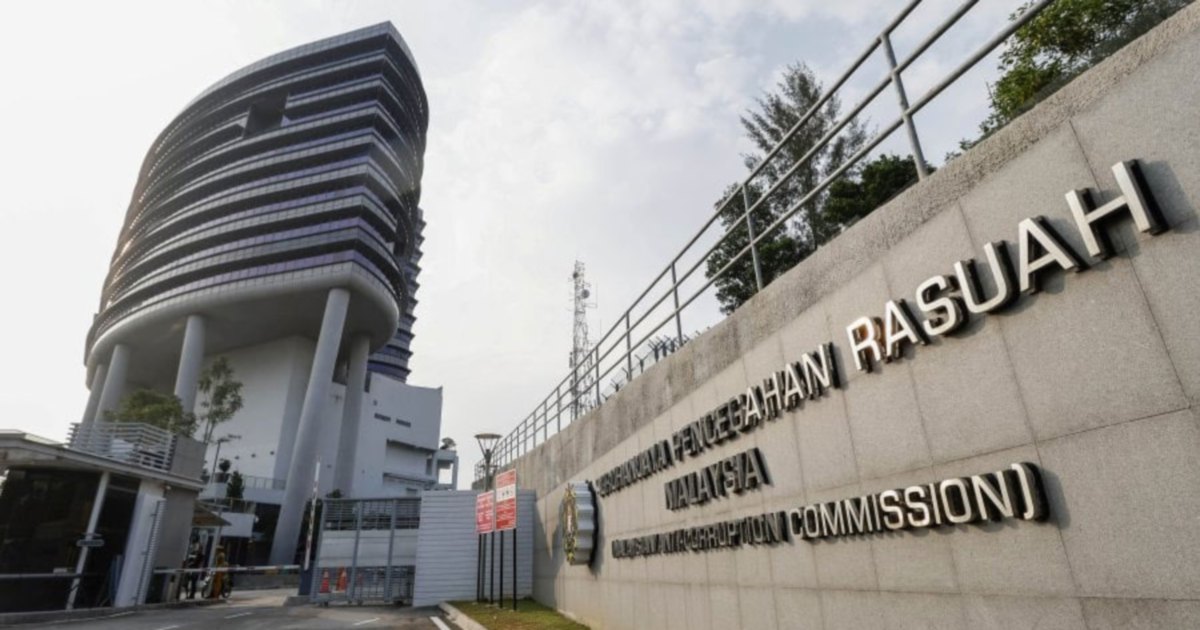
The Malaysian Anti-Corruption Commission has intensified scrutiny of a major financial misstep at Retirement Fund Inc, with investigators visiting the fund's Kuala Lumpur headquarters this week to examine circumstances surrounding a RM200 million investment loss in eFishery, an Indonesian aquaculture technology enterprise. The development signals growing official concern about investment decisions at one of Malaysia's largest pension funds and raises questions about due diligence protocols governing how retirement savings are deployed.
KWAP, which manages retirement benefits for public sector employees and civil servants, has become the subject of formal investigation after disclosures that its investment in the Indonesian fintech-focused aquaculture company resulted in substantial losses. The scale of the financial exposure—RM200 million—is particularly significant given that KWAP oversees billions in accumulated retirement savings for hundreds of thousands of Malaysian workers. This represents not merely a corporate governance concern but a matter directly affecting the financial security of pensioners and retirees across the country.
The MACC's direct involvement in the investigation underscores official assessment that potential impropriety may have occurred during the investment decision-making process. When Malaysia's primary anti-corruption authority takes such action, it typically suggests investigators are examining whether proper procedures were followed, whether conflicts of interest existed among decision-makers, or whether the investment proposition itself warranted the level of risk undertaken with retirement funds. The commission's headquarters visit represents a transition from preliminary inquiry to active investigation phase.
eFishery, the Indonesian company at the centre of the controversy, positions itself as a technology provider serving aquaculture operations across Southeast Asia. The company operates within a sector that has attracted considerable venture capital and institutional investment throughout the region. However, investment outcomes in emerging technology companies, particularly those operating in developing agricultural sectors, carry inherent volatility and downside risks that may not align with the conservative investment mandates typically required for pension fund portfolios.
For Malaysian investors and observers, this situation carries particular relevance given increasing interest in cross-border investment opportunities within Southeast Asia. While regional diversification can strengthen investment returns, the eFishery case illustrates the importance of rigorous assessment frameworks when pension fund managers deploy retirement savings in foreign technology ventures. The losses highlight potential gaps between the perceived opportunity in emerging markets and actual performance outcomes, a distinction that becomes critical when beneficiaries depend on these funds for post-retirement income security.
KWAP's governance structures and investment committee oversight processes will likely come under examination as the investigation progresses. Malaysian institutional investors, especially pension funds managing long-term liabilities to millions of beneficiaries, operate under regulatory frameworks designed to ensure prudent stewardship. The investigation may reveal whether existing safeguards functioned as intended or whether procedural weaknesses allowed inadequately vetted investment decisions to proceed. Such findings could trigger broader governance reforms across Malaysia's institutional investment sector.
The timing of this investigation also reflects evolving accountability expectations for fund managers in Malaysia. Public consciousness regarding pension fund stewardship has grown substantially, particularly as demographic shifts mean more retirees depend on accumulated savings. When major investment losses occur, beneficiaries increasingly demand transparency about how and why such decisions were made. MACC's involvement responds to this public interest in ensuring that retirement funds are managed with appropriate diligence and integrity.
For Malaysian businesses and investment firms seeking to raise capital in the region, the eFishery situation provides a cautionary lesson about due diligence standards that institutional investors increasingly apply. Southeast Asian pension funds and investment vehicles represent significant potential capital sources for regional enterprises, but access to such funding increasingly comes with expectations of rigorous transparency, auditable financial projections, and verifiable market validation. Companies that cannot meet these standards may find institutional investment sources restricted.
The investigation's outcome could have consequences extending beyond KWAP itself. Other Malaysian institutional investors—including insurance companies, sovereign wealth funds, and other pension schemes—may reassess their own exposure to similar Indonesian technology ventures. Depending on investigation findings, regulators might implement enhanced approval requirements for foreign investment decisions or mandate more frequent rebalancing and review protocols for technology sector allocations within retirement portfolios.
This situation also underscores the importance of investor education and transparency regarding retirement fund performance. Malaysian workers contributing to KWAP deserve clear communication about investment allocation decisions, risk profiles, and actual outcomes. Where losses occur, comprehensive public explanation of what went wrong and what corrective measures have been implemented helps maintain confidence in the pension system and ensures beneficiaries understand the factors affecting their retirement security.
As the MACC investigation proceeds, stakeholders will be watching closely for any implications regarding individual accountability among KWAP decision-makers. Whether findings point to systemic governance failures, inadequate expertise among investment committee members, or potential personal misconduct by specific officials will shape both regulatory response and public perception of pension fund management across Malaysia's institutional sector. The investigation represents a test of whether Malaysia's anti-corruption mechanisms can effectively oversee major financial institutions managing public retirement savings.

