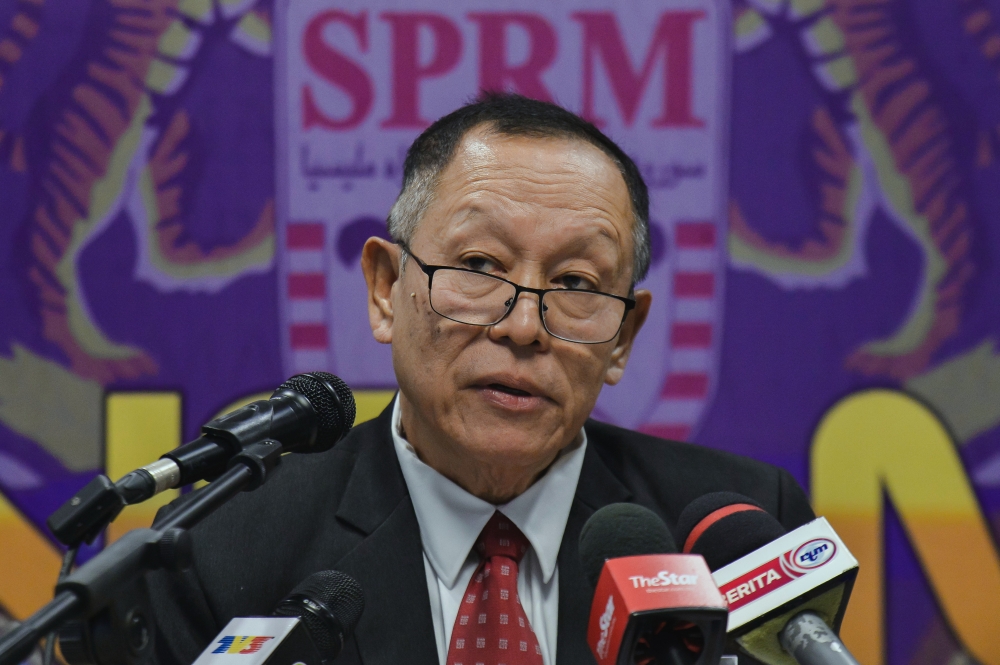
The Malaysian Anti-Corruption Commission is exploring the possibility of engaging foreign forensic specialists to help navigate the intricate Tabung Haji investigation, following an extensive phase of witness interviews and suspect detention that has characterised the enquiry so far. The decision to potentially internationalise the investigative effort underscores the technical complexity and scale of the financial irregularities that have come to light at the pilgrimage fund, Malaysia's largest and most significant Islamic financial institution serving millions of depositors nationwide.
To date, MACC operatives have summoned 115 witnesses for questioning as part of their systematic examination of transactions and decision-making processes at Tabung Haji. This substantial witness list reflects the breadth of the investigation and the number of personnel involved in the fund's operations during the period under scrutiny. Simultaneously, the commission has detained seven suspects, a move that signals investigators have identified individuals they believe warrant formal questioning and possible charges relating to suspected breaches of financial regulations and governance standards.
The consideration of international forensic expertise demonstrates MACC's recognition that uncovering the full scope of financial misconduct may require capabilities beyond those currently deployed domestically. Forensic accounting and financial investigation, particularly when examining complex institutional structures and multiple transaction layers, often benefits from specialised knowledge and cross-border expertise that international consultants can provide. This approach reflects international best practices in combating institutional financial crime and is consistent with how major anti-corruption investigations in the region and globally are increasingly conducted.
Tabung Haji's predicament carries enormous significance for Malaysian society and the government's credibility in safeguarding public and semi-public assets. The fund administers savings and pilgrimage funds for approximately 8.8 million members, predominantly Muslim Malaysians from diverse socioeconomic backgrounds who entrust their money to the institution. Any mismanagement or fraud discovered at Tabung Haji therefore represents not merely a corporate or bureaucratic failure, but a breach of trust affecting millions of ordinary Malaysians and their families' religious and financial aspirations.
The investigation's scope and intensity reflect the gravity with which authorities are treating the matter. Conducting interviews with over a hundred individuals demands substantial investigative resources and coordination across multiple teams. The detention of suspects indicates that investigators have moved beyond the preliminary inquiry phase into active pursuit of concrete evidence that might support formal charges under the Malaysian Anti-Corruption Commission Act or relevant financial legislation.
Engaging foreign forensic experts would represent a strategic escalation in the investigation's methodology. Such specialists typically excel at reconstructing financial trails, identifying hidden transactions, tracing fund movements across jurisdictions, and reconstructing decision-making processes that may have been deliberately obscured. In cases involving large institutional funds with international connections, their expertise becomes particularly valuable. Tabung Haji, given its role as a major financial intermediary with investment portfolios and overseas operations, may well have transaction patterns that benefit from this specialised analytical approach.
The decision to consider external forensic support also suggests that MACC may be preparing for potential prosecutions that will require robust, internationally defensible evidence. Malaysian courts, particularly in high-profile cases involving public institutions, increasingly expect investigations to meet stringent evidentiary standards. Evidence compiled with the assistance of recognised international forensic specialists carries particular weight and is less vulnerable to legal challenge, a factor that likely influences MACC's strategic thinking.
From a regional perspective, Malaysia's handling of the Tabung Haji investigation carries implications for investor confidence and the credibility of domestic anti-corruption institutions. Southeast Asian governments face persistent scrutiny regarding their capacity and willingness to hold major institutions and officials accountable. A thorough, professional investigation supported by international expertise sends a signal that Malaysia takes financial governance seriously and is willing to devote appropriate resources to ensuring accountability.
The economic dimensions of the Tabung Haji matter extend beyond the fund itself. The institution represents a critical savings vehicle for lower and middle-income Malaysians, particularly in rural areas. Any loss or misappropriation of funds could have cascading effects on individual financial security, retirement planning, and household stability across the nation. This economic impact makes the investigation not merely a matter of institutional integrity but of direct concern to national economic wellbeing.
Moving forward, the decision on whether to formally engage international forensic consultants will likely depend on several factors: the emerging complexity of evidence gathered so far, the specific technical expertise gaps identified during preliminary investigation, the availability of appropriately qualified specialists, and budgetary considerations. MACC's willingness to consider such engagement, however, demonstrates a mature appreciation that combating sophisticated financial crime sometimes requires looking beyond domestic institutional boundaries.
The investigation's trajectory—from witness compilation through suspect detention toward potential international forensic engagement—reflects the evolution of anti-corruption work in Malaysia and throughout Southeast Asia. As financial systems become more sophisticated and opportunities for misconduct more complex, investigative agencies must adapt their methods accordingly. Whether MACC ultimately proceeds with foreign forensic assistance, the investigation's scope and intensity signal a determination to pursue accountability wherever the evidence leads.

