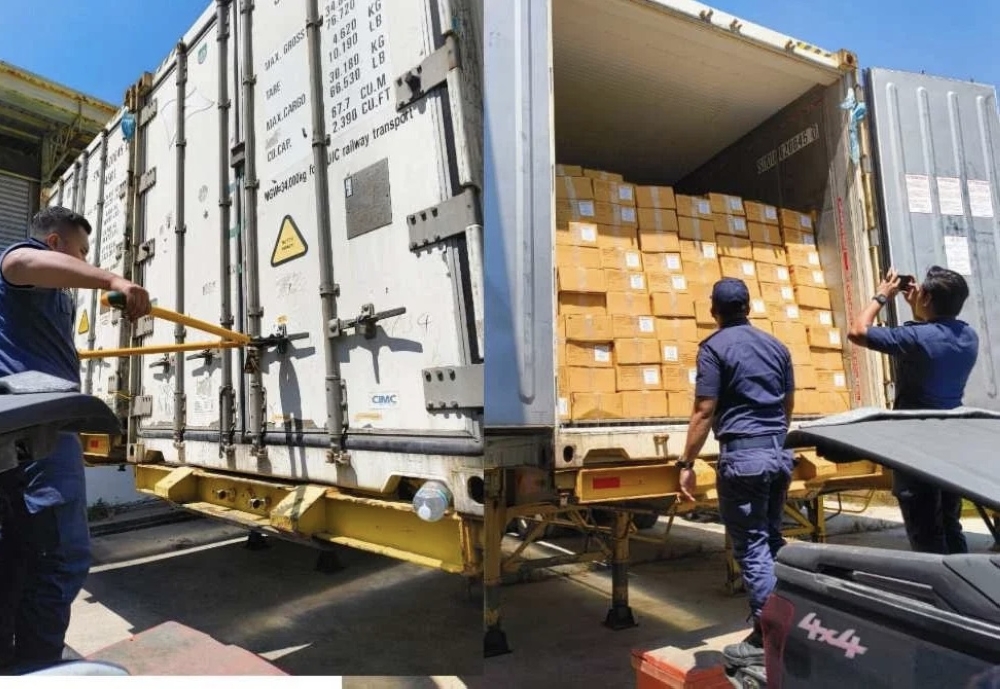
The Malaysian Anti-Corruption Commission has dismantled what authorities believe is a significant smuggling network operating in Sabah, with three individuals now in custody following Operation Chick, a coordinated enforcement initiative targeting the illegal importation of Chinese frozen chicken into Malaysian territory. The operation represents a focused effort by MACC to disrupt supply chains that circumvent established import protocols and deprive the government of legitimate customs revenue while potentially undermining domestic poultry producers.
The three detainees are currently assisting investigators as they map the full extent of the smuggling operation, which appears to have established systematic routes for moving frozen poultry from Chinese suppliers into Sabah's markets. The scale of contraband seized during initial raids indicates this was not merely opportunistic smuggling but rather an organized enterprise with established logistics networks, supplier relationships, and distribution mechanisms designed to sustain ongoing illegal imports at commercial volumes.
Snuggling networks targeting agricultural products represent a particular concern for Malaysian authorities because they operate across multiple enforcement jurisdictions simultaneously. The chicken importation ring exploited weaknesses in border surveillance and documentation procedures, likely by manipulating customs declarations, falsifying origin certificates, or utilizing transshipment routes through third countries to obscure the Chinese origin of the frozen products. Such sophisticated methods suggest the syndicate included individuals with intimate knowledge of port procedures and regulatory requirements.
For Malaysia's poultry sector, the emergence of large-scale illegal Chinese imports poses competitive pressure that extends beyond simple price undercutting. Domestically-produced chicken must meet stringent veterinary standards, biosecurity protocols, and halal certification requirements—compliance costs that illegal imports sidestep entirely. This creates an uneven market where legitimate producers cannot compete on price alone, potentially driving consolidation or exit from the industry among smaller operators who lack economies of scale to absorb regulatory costs.
The discovery of this smuggling ring comes amid broader regional discussions about agricultural protectionism and trade security. Southeast Asian nations, including Malaysia, have experienced intermittent waves of unauthorized agricultural imports from China, ranging from vegetables to seafood. Each successful interdiction typically uncovers layers of corruption extending beyond the smugglers themselves—customs officials, port workers, or transportation coordinators who have been compromised or coerced into facilitating the illegal shipments.
For Sabah specifically, which sits at a geographic crossroads between the Philippines, Indonesia, and mainland Asia, port security and maritime surveillance remain perpetually challenging. The state's extensive coastline and relatively porous maritime borders have historically attracted smuggling enterprises targeting various commodities. The MACC's success in dismantling this chicken importation network demonstrates renewed commitment to enforcement but also highlights how resourceful smugglers remain in adapting to enforcement pressures.
Beyond the immediate arrests, the investigation will likely probe financial flows connected to the smuggling operation. Authorities typically examine banking records, money transfers, and payment mechanisms to identify not only the direct participants but also investors or financiers who bankrolled the enterprise from safer distances. This financial forensics often exposes collateral corruption whereby government officials or private facilitators received payments to enable or overlook the illegal activity.
The timing of Operation Chick carries significance for Malaysia's food security narrative. As domestic poultry production faces periodic disruptions from disease outbreaks or supply chain volatility, some stakeholders argue for greater openness to imports as a stabilizing mechanism. However, allowing uncontrolled or unvetted imports—whether legal or illegal—introduces biosecurity risks that could trigger disease introduction affecting the entire regional flock. The legal import framework exists precisely to balance consumer access to affordable protein against the imperative to prevent pathogen transmission and maintain domestic agricultural viability.
The investigation's outcome will likely influence how enforcement agencies approach future agricultural smuggling cases. If prosecutions prove successful and sentences provide genuine deterrence, potential smugglers may recalculate the risk-reward calculus of illegal poultry imports. Conversely, if enforcement proves inconsistent or legal consequences light, smuggling networks will simply relocate operations or reorganize with different personnel while maintaining the same fundamental business model.
This operation also underscores MACC's expanding portfolio beyond conventional corruption cases toward intersecting crimes involving customs violations, money laundering, and conspiracy. As organized smuggling becomes more sophisticated, anti-corruption agencies must develop corresponding expertise in supply chain analysis, forensic accounting, and international criminal coordination. Regional cooperation mechanisms through ASEAN and bilateral law enforcement partnerships increasingly shape how effectively nations like Malaysia can intercept contraband flowing through complex, multi-jurisdictional networks.
The broader implications extend to consumer protection and public health. Illegal imports bypass mandatory inspection protocols designed to identify contaminated or substandard products. Chinese frozen chicken entering Malaysia through unauthorized channels escapes pathogenic screening that would occur through official import channels, potentially exposing consumers to undisclosed food safety risks. This dimension of the smuggling problem—its public health consequences—often receives less attention than economic impacts but arguably affects Malaysian citizens more directly.

