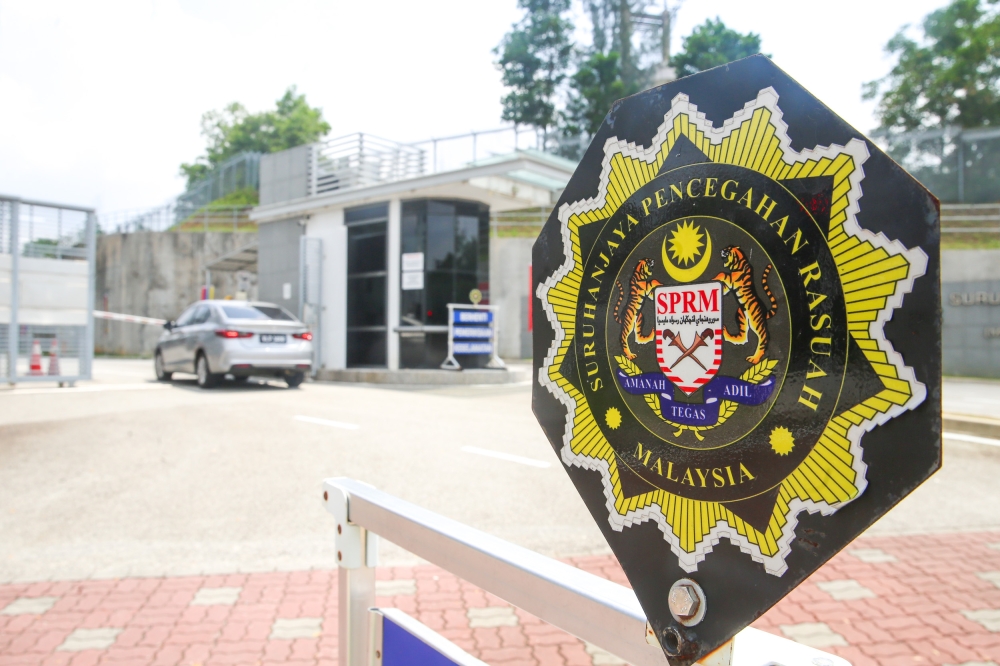
The Malaysian Anti-Corruption Commission (MACC) has moved forward with its investigation into suspected financial irregularities by securing court approval to detain three individuals for five days in connection with the alleged misappropriation of RM450,000 in penalty payments. The remand order, granted by Putrajaya magistrate court, represents the next phase in a widening probe that began when discrepancies surfaced regarding the handling of penalties collected by a government body.
The escalation in the number of suspects now in custody signals that anti-corruption authorities believe the incident may be more extensive than initially suspected. This pattern of successive detention orders is typical of complex financial investigations, where each stage of questioning can uncover additional layers of involvement or complicity among different individuals. The decision to remand additional persons suggests investigators have found credible evidence linking these individuals to the alleged misuse, warranting their continued detention for further interrogation.
While specific details about the suspects' roles remain undisclosed pending the investigation's progress, cases of penalty payment misappropriation typically involve multiple actors across institutional hierarchies. Understanding such schemes usually requires examining the complete flow of collected funds, identifying points where money was diverted, and establishing the culpability of those with access and authority. The RM450,000 figure indicates a substantial sum that would have required deliberate action to extract and mishandle.
The MACC's handling of this case reflects the commission's mandate to investigate corruption across all levels of government and public institutions. In Malaysia, penalty and fine collection systems have occasionally become targets for misconduct, as these payments pass through various checkpoints before reaching official accounts. Breakdowns in oversight mechanisms, inadequate internal controls, and insufficient segregation of duties among staff can create opportunities for diversion. The agency's capacity to secure remand orders demonstrates that magistrates have found sufficient prima facie evidence to justify holding suspects during the investigation phase.
For Malaysian taxpayers and the broader public, such cases underscore the importance of robust internal audit mechanisms within government agencies. Penalty and fine revenues represent legitimate income streams that fund government operations, and their misappropriation ultimately depletes resources available for public services. Each RM450,000 not accounted for is RM450,000 that cannot be allocated to infrastructure, healthcare, education, or other critical areas. This broader fiscal impact extends beyond the immediate wrongdoing to affect the entire population.
The investigation also carries implications for institutional governance and accountability frameworks within the Malaysian civil service. Agencies responsible for collecting public revenue must maintain transparent procedures, implement regular reconciliation processes, and ensure proper documentation of all transactions. When such cases come to light, they often prompt internal reviews and procedural reforms within affected organizations. The MACC's active pursuit of these investigations sends a signal that financial irregularities, regardless of their scale, will not be overlooked or minimised.
From a Southeast Asian perspective, Malaysia's anti-corruption efforts continue to face scrutiny from regional and international observers. The commission's proactive engagement with cases involving public funds demonstrates commitment to the standards set by organizations like the United Nations Convention Against Corruption, which Malaysia has ratified. Countries in the region often benchmark their own anti-corruption capacity against enforcement actions in neighbouring states, making the visibility and rigour of such investigations relevant beyond Malaysia's borders.
The timing and progression of these detention orders will be closely monitored by civil society organisations and investigative journalists who track MACC's operational effectiveness. The length of remand period—five days being a standard initial extension in Malaysian criminal procedure—indicates authorities believe they require substantial time to conduct thorough questioning and gather additional evidence. Depending on findings, investigators may seek further extensions or move toward filing formal charges.
The case also raises questions about whether existing penalty collection procedures have been reviewed by the relevant government agency and whether additional safeguards have been implemented pending the investigation's outcome. Institutional responses to discovered misconduct often prove as significant as the enforcement action itself, as they demonstrate management's commitment to preventing recurrence. Stakeholders will likely scrutinise both the investigation's conclusions and any subsequent administrative or disciplinary measures taken within the affected organisation.

