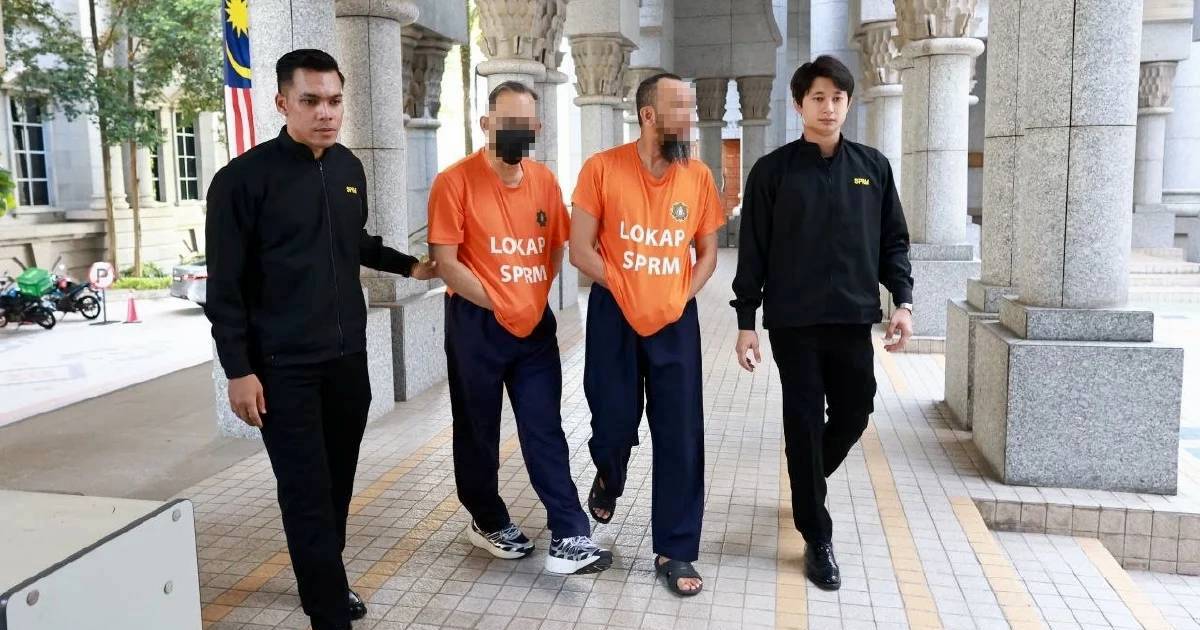
The Malaysian Anti-Corruption Commission has expanded its investigation into Tabung Haji affairs by detaining seven individuals, including a prominent shipping industry figure who holds the Datuk title. The move signals an intensifying scrutiny into activities that fall under the scope of the Tabung Haji Royal Commission of Inquiry, suggesting investigators are pursuing leads that extend beyond the pilgrimage fund's internal operations and into its commercial dealings and external relationships.
The detained shipping CEO represents a significant development in the investigation, indicating that MACC is not limiting its focus purely to former Tabung Haji officials and employees. The inclusion of corporate figures and board members among those held suggests the inquiry is examining business transactions, procurement decisions, or financial arrangements involving entities outside the fund's direct structure. This broader investigative sweep reflects growing concerns about how Tabung Haji resources may have been deployed through third-party commercial arrangements.
The detention of multiple directors alongside the shipping executive points to potential coordination or involvement of several parties in transactions or decisions now under scrutiny. The involvement of board-level individuals across different organisations indicates MACC is pursuing a network of relationships and decision-making chains rather than investigating isolated incidents. Such multi-person detentions in corruption probes typically signal investigators have identified interconnected activities or a pattern of decision-making that potentially involved multiple stakeholders.
Tabung Haji has faced considerable public criticism and scrutiny following its accumulation of significant losses and governance issues that prompted the establishment of the Royal Commission. The fund, which manages savings for Malaysian Muslims performing the Hajj pilgrimage, holds considerable financial assets and wields substantial purchasing power. Any irregularities in how the fund conducts business or enters into commercial relationships carry implications for the savings of hundreds of thousands of Malaysian contributors.
The timing and scope of these detentions suggest MACC's investigations have progressed beyond preliminary inquiries and initial witness statements. The decision to hold individuals for extended questioning indicates investigators believe they possess relevant information or potential involvement in matters requiring detailed examination. The presence of corporate executives in this group reflects modern anti-corruption investigations' recognition that institutional malfeasance frequently involves external commercial partners and service providers.
For Malaysian businesses engaged in similar sectors or relationships with major institutional players, these developments underline the heightened enforcement environment surrounding large-scale government-linked investment funds. Companies that transact with entities like Tabung Haji must ensure robust governance structures and transparent decision-making processes, as scrutiny of the fund inevitably extends to its commercial counterparties. The investigation demonstrates that anticorruption authorities will trace financial flows and business relationships wherever they lead.
The shipping industry specifically has been subject to regulatory attention across Southeast Asia in recent years, with authorities increasingly focused on transparency in maritime commerce and logistics. The involvement of a shipping sector CEO in a Tabung Haji-related investigation may reflect specific transactions within the logistics or transport domain, or could indicate broader portfolio involvement across multiple business lines. The shipping sector's traditional opacity and international dimensions sometimes create enforcement challenges, making high-profile investigations particularly significant for establishing compliance standards.
The Royal Commission's mandate provides the foundation for these MACC operations, giving investigators authority to pursue leads across a potentially wide field of individuals and organisations. RCI investigations typically operate under different procedural frameworks than standard criminal inquiries, allowing authorities greater latitude in questioning and evidence gathering. The involvement of MACC in implementing the RCI's findings or recommendations ensures that investigative momentum translates into potential prosecutorial action.
The detention of multiple parties simultaneously reflects investigative strategy focused on gathering corroborating evidence and preventing coordination of narratives. When MACC holds several individuals related to potentially interconnected transactions, the timing provides tactical advantage in establishing facts before accounts can be aligned or evidence obscured. This approach is particularly relevant when investigating complex commercial arrangements involving multiple decision-makers.
For Malaysian contributors to Tabung Haji, these detentions represent tangible evidence that investigations into the fund's troubled recent history are producing concrete results. The publicity surrounding such detentions also serves a deterrent function, signalling to others involved in the fund's operations or business relationships that involvement in irregular activities carries serious consequences. This enforcement activity may ultimately support efforts to restore institutional credibility and governance standards at Tabung Haji.
The broader implications extend to Malaysia's institutional accountability landscape, where high-profile investigations of government-linked entities demonstrate that no organisation operates beyond scrutiny. The expansion of the Tabung Haji investigation into the commercial sector underscores that regulatory oversight encompasses not only public sector decision-makers but also private companies that engage with major institutional players. This integrated approach to investigating complex institutional matters reflects evolving sophistication in Malaysian anticorruption enforcement.
As the investigation progresses, attention will focus on what specific transactions or arrangements triggered these particular detentions, and whether evidence emerges of systematic irregularities or isolated instances of impropriety. The involvement of multiple parties suggests investigators may be building toward more substantial findings that could reshape discussions around governance and accountability at Tabung Haji and similar institutions managing public resources.

