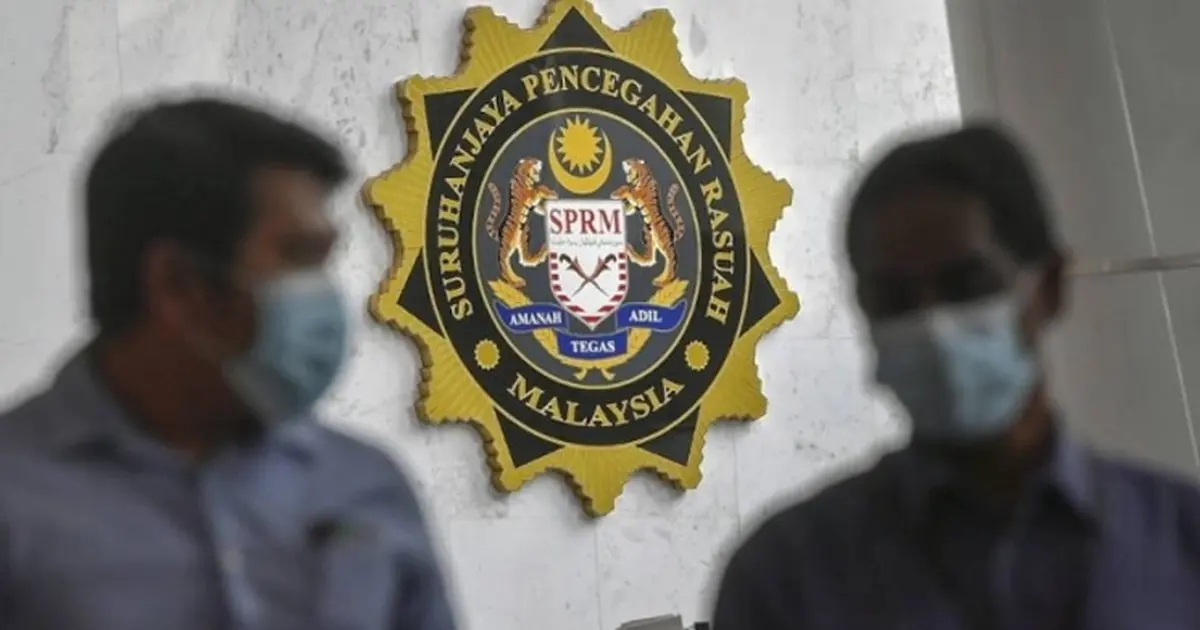
The Malaysian Anti-Corruption Commission (MACC) has concluded a prolonged interrogation of a former chief financial officer connected to Tabung Haji, signalling intensified enforcement action in a corruption probe that has drawn considerable public and political scrutiny. The extended questioning session, which ran from 9am until 6.30pm, reflects the complexity and scope of the investigation into the pilgrim fund, one of Malaysia's most significant financial institutions managing billions of ringgit in deposits and investments.
This development underscores the MACC's determination to pursue accountability within Tabung Haji's management structure, an organisation that has faced mounting criticism over governance lapses and financial irregularities in recent years. The extended duration of the interrogation suggests investigators have substantial ground to cover, requiring detailed clarification on financial transactions, decision-making processes, and potential breaches of fiduciary duty spanning an extended timeframe.
Tabung Haji occupies a uniquely sensitive position within Malaysia's institutional landscape, serving as a dedicated savings and investment vehicle for Muslim Malaysians preparing for the hajj pilgrimage. The fund manages trillions of ringgit collectively, making any mismanagement or irregularities not merely a corporate governance matter but an issue affecting millions of ordinary Malaysian families. This broader context amplifies public concern whenever investigations touch the organisation's leadership.
The focus on the former CFO suggests that financial controls and authorisation procedures have become central to the investigation's direction. Senior finance officials occupy gatekeeping positions within any organisation, responsible for ensuring transactions comply with established policies, regulatory requirements, and internal protocols. Their examination often provides investigators with crucial insights into whether problematic decisions received proper financial oversight or proceeded despite inadequate safeguards.
The MACC's methodical approach, as evidenced by the full-day interrogation session, demonstrates the painstaking nature of financial crime investigations. Reconstructing complex transactions, verifying documentation, and establishing chains of accountability across multiple organisational levels demands sustained, detailed questioning. Such sessions typically explore specific transactions, authorisation workflows, communications between departments, and the rationale underlying contested financial decisions.
Such investigations into public-facing institutions like Tabung Haji carry implications extending beyond individual accountability. They touch on broader questions of institutional governance, the adequacy of internal audit mechanisms, board oversight effectiveness, and whether regulatory frameworks provide sufficient protection for stakeholder interests. Malaysian regulators and policymakers will likely scrutinise findings to determine whether systemic reforms are necessary to prevent similar issues within other government-linked companies or statutory bodies.
The timing and intensity of this investigation reflect growing political pressure for transparency within government institutions. Public confidence in Tabung Haji has been shaken by previous controversies, and any perceptions of inadequate accountability measures or delayed enforcement would further erode stakeholder trust. The MACC's visible engagement signals commitment to addressing these concerns through rigorous investigation and evidence gathering.
For the regional context, this probe occurs amid broader Asian efforts to strengthen anti-corruption enforcement and corporate governance standards. Malaysia's positioning as a financial hub within Southeast Asia makes demonstrable commitment to investigating high-level financial misconduct particularly important for maintaining the country's reputation and investor confidence. The visibility of such investigations sends messages to both domestic and international audiences regarding institutional integrity.
The investigation's progression now moves into analysis of the statement recorded during today's session. MACC investigators will examine the recorded account against documentary evidence, financial records, and statements from other interviewed parties. This comparative analysis determines whether responses align with available evidence or whether inconsistencies warrant further investigation or potential charges.
Outcomes from this investigation may influence forthcoming governance reforms affecting Malaysia's statutory bodies and government-linked companies. If irregularities are substantiated, recommendations might include strengthened board composition requirements, enhanced audit committee authority, mandatory financial transaction thresholds requiring independent verification, or improved whistleblower protection mechanisms.
The investigation's conclusion remains uncertain, and outcomes will depend entirely on whether gathered evidence substantiates potential misconduct allegations. Nonetheless, the MACC's visible engagement represents affirmation that no institution or position places an individual beyond scrutiny when allegations of impropriety arise. This principle of equal accountability forms the cornerstone of effective anti-corruption enforcement.

