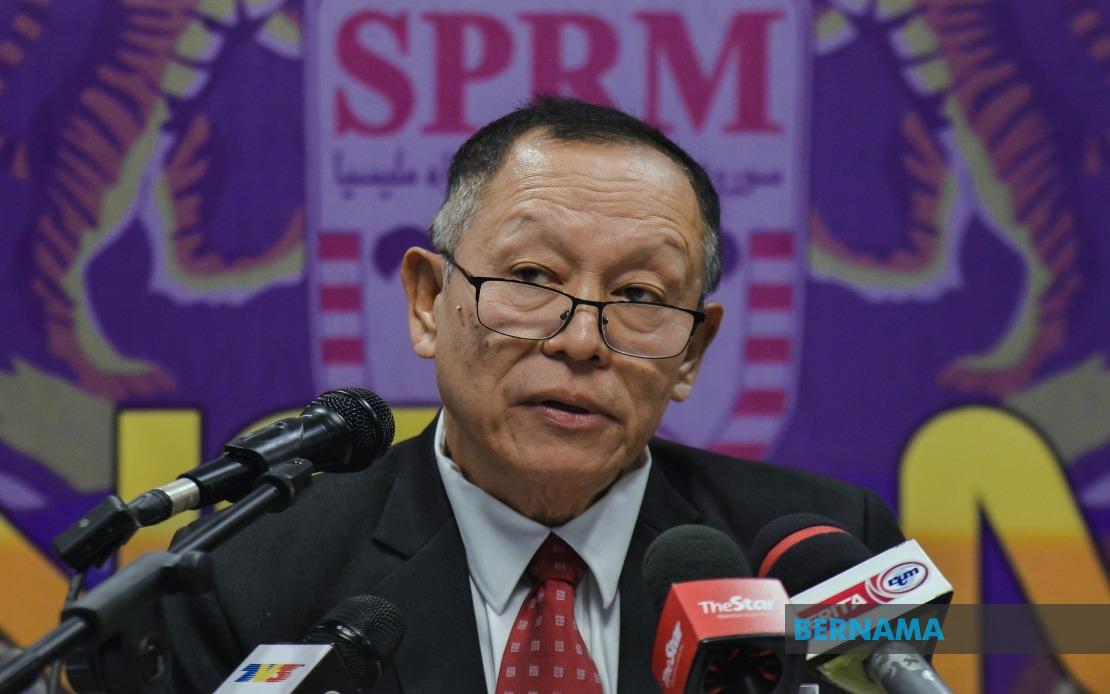
The Malaysian Anti-Corruption Commission concluded its interrogation of a former chief financial officer on Wednesday following a four-day intensive questioning session at its Putrajaya headquarters. The individual, aged 60, had voluntarily presented himself at MACC offices on Tuesday to furnish his account regarding allegations connected to a contentious corporate transaction, with the final day of statement-taking concluding at 6:30 pm after proceedings began at 9 in the morning.
MACC chief commissioner Datuk Seri Abd Halim Aman confirmed the completion of the questioning in an official statement, marking a significant milestone in the anti-corruption agency's investigation into findings raised by the Royal Commission of Inquiry into Lembaga Tabung Haji. The probe centres on allegations of power abuse surrounding the acquisition of shares in two plantation companies, with the total value of the controversial transaction reaching approximately RM370 million.
The investigation represents one of the more high-profile corporate governance inquiries in recent Malaysian political and financial oversight spheres. Tabung Haji, operating as the pilgrimage fund management authority, has encountered substantial scrutiny following the RCI's examination, which identified potential irregularities in major financial decisions made by the institution's leadership during the period under review. The plantation share purchase stands as the focal point of these allegations, with investigators seeking to establish whether those in decision-making positions exceeded their authority or acted improperly.
The involvement of both the former CFO and the company's previous chief executive officer in the MACC's questioning underscores the scale of the inquiry. Both individuals presented themselves voluntarily, which typically facilitates smoother investigative processes and suggests a degree of cooperation with authorities. Their simultaneous detention at MACC headquarters demonstrates that investigators are treating the matter with considerable urgency and are keen to cross-examine key accounts during their fact-finding mission.
The four-day duration of the former CFO's statement-taking indicates the complexity and breadth of matters under investigation. Such extended questioning sessions typically involve detailed probing into financial documentation, decision-making processes, approval mechanisms, and the rationale provided for significant corporate transactions. Investigators would have sought clarification on numerous aspects surrounding the RM370 million transaction, including how such a substantial purchase was approved, what due diligence procedures were followed, and whether proper governance frameworks were observed.
For Malaysian stakeholders and the broader Southeast Asian business community, this probe carries considerable implications regarding corporate accountability and institutional oversight. Tabung Haji operates as a significant financial entity managing pilgrim savings and performing essential religious and welfare functions for Malaysian Muslims preparing for their hajj journey. Any irregularities in such an institution directly impact public trust and confidence in state-owned enterprises charged with managing citizen assets.
The MACC's methodical approach to this investigation reflects heightened public consciousness regarding financial propriety within government-linked companies. Findings from the RCI had triggered substantial public discussion about governance standards, and the anti-corruption agency's follow-up investigations serve to demonstrate that allegations receive serious institutional attention. The voluntary cooperation of implicated individuals, while facilitating the investigation, does not necessarily indicate culpability or exoneration; rather, it permits investigators to gather comprehensive accounts that may subsequently be corroborated or contradicted through documentary evidence and testimony from additional witnesses.
The RM370 million transaction itself warrants careful examination given its magnitude relative to typical institutional expenditures. Investments of this scale ordinarily require multiple levels of approval, board oversight, and strategic justification. The RCI's identification of potential irregularities suggests that standard governance procedures may have been circumvented or inadequately documented, raising questions about internal control mechanisms and accountability structures within the institution during the relevant period.
The investigation's progression toward potential conclusions or recommendations remains unclear at this juncture. MACC typically finalises investigative reports after completing statement-taking, reviewing documentary evidence, and conducting any necessary follow-up inquiries. Depending on findings, the agency may recommend prosecution, administrative action, or further investigation. Such outcomes would carry significant consequences not only for the individuals directly involved but also for institutional reform discussions surrounding statutory bodies and government-linked entities throughout Malaysia.
This development within the Tabung Haji probe reflects broader governance challenges facing Malaysia's institutional landscape. Recent years have witnessed intensified scrutiny of state-owned enterprise management, with several significant investigations uncovering questionable financial practices. The anti-corruption agency's methodical investigation into this plantation transaction contributes to an evolving framework of institutional accountability that increasingly demands rigorous oversight and transparency from entities managing public resources.
As the investigation progresses beyond the statement-recording phase, documentary verification and cross-examination of accounts from multiple sources will determine whether allegations of power abuse can be substantiated. The voluntary cooperation of the former CFO provides investigators with direct insight into decision-making processes and justifications offered for the transaction, which may prove valuable in establishing whether institutional guidelines were properly observed or consciously disregarded by those wielding corporate authority.

