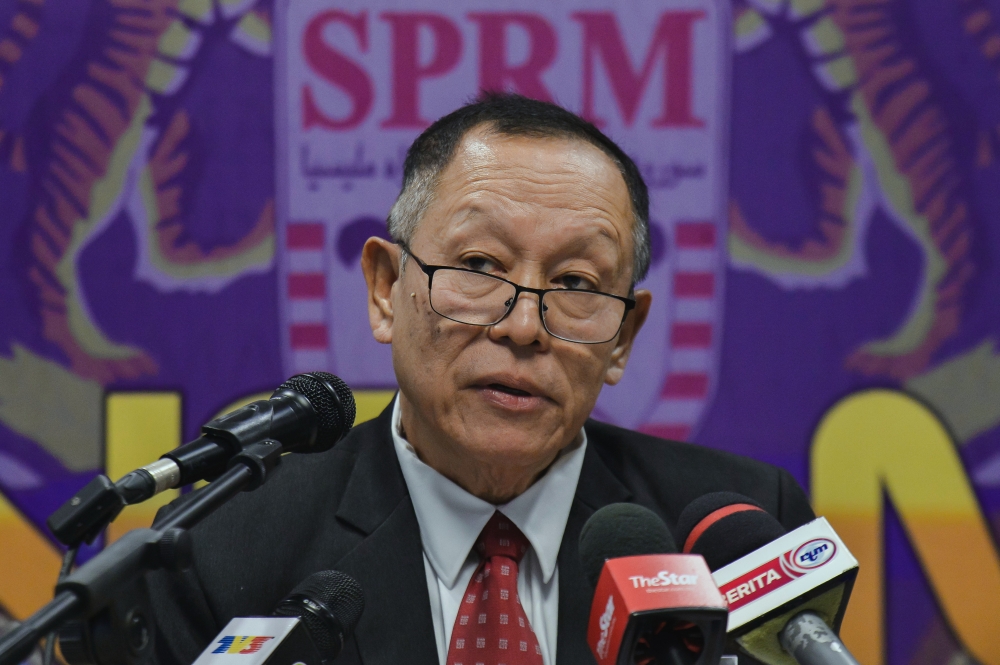
Malaysia's anti-corruption agency has taken significant action against senior corporate executives, detaining the former chief executive officer and chief financial officer of a plantation company following allegations that they misused their positions in a RM370 million transaction. The arrests represent an escalation in the MACC's oversight of high-value corporate dealings and signal renewed enforcement against misconduct within the private sector.
The Malaysian Anti-Corruption Commission's move against the two senior executives underscores growing scrutiny of major financial transactions, particularly those involving resource-based industries that remain central to Malaysia's economy. Plantation companies operate within a sector that has faced increasing international attention regarding governance and sustainability practices, making corporate accountability mechanisms more critical than ever. The arrested individuals held key financial and operational roles that would have granted them substantial authority over transaction approval and execution.
Abuse of power allegations in corporate transactions typically involve executives leveraging their official positions to gain personal advantage or channel company resources in improper directions. In plantation-related deals of this magnitude, such misconduct could encompass approval of unfavourable contracts, misallocation of company funds, or circumvention of proper procurement and governance procedures. The specificity of the RM370 million figure suggests this was a major transaction requiring board-level approval, potentially involving acquisitions, refinancing, or related-party dealings.
The timing and nature of these arrests reflect the MACC's broadened mandate to investigate corporate malfeasance beyond traditional public sector corruption. Under Malaysian law, the commission possesses jurisdiction over abuse of power offences committed by corporate officers in certain contexts, particularly where public interest or shareholder interests are at stake. This expansion of enforcement demonstrates the anti-corruption agency's commitment to addressing governance failures that can damage investor confidence and market integrity.
For Malaysia's investment community and corporate sector, such enforcement actions carry significant implications. Foreign and domestic investors monitor anti-corruption enforcement as an indicator of governance standards and rule of law consistency. The detention of high-ranking corporate officials sends a message that no position is too senior to escape scrutiny, potentially encouraging stronger internal compliance frameworks across listed and unlisted companies. However, the cases also highlight ongoing challenges in early detection and prevention of corporate misconduct before regulatory intervention becomes necessary.
The plantation industry specifically has faced mounting pressure from international buyers, environmental organisations, and regulatory bodies regarding sustainability, labour practices, and corporate governance. This enforcement action, whether targeted at operational issues or broader governance failures, contributes to the sector's broader accountability landscape. Investors increasingly view governance quality as a material risk factor, and MACC actions can influence capital allocation decisions by institutional shareholders and fund managers.
Investigation procedures following such arrests typically involve examining financial records, transaction documentation, board minutes, and communications between the suspects and other parties. The MACC's investigative capacity has evolved significantly, incorporating forensic accounting capabilities and access to banking records that enable detailed reconstruction of transaction flows. The complexity of plantation industry deals, which may involve multiple entities, financing arrangements, and related-party transactions, demands sophisticated analytical approaches.
The arrest of both the chief executive and chief financial officer simultaneously suggests the investigation may concern systematic issues rather than isolated misconduct by a single individual. Coordinated arrests typically indicate investigators have identified a pattern of behaviour or complementary roles in alleged misconduct. The chief financial officer's involvement particularly suggests financial irregularities, while the CEO's detention implies operational decision-making that enabled improper conduct.
From a broader governance perspective, these cases illuminate the importance of independent board oversight, audit committee vigilance, and whistleblower protections within Malaysian companies. Many corporate scandals that reach investigation stages could have been detected earlier through robust internal controls and proper escalation mechanisms. The case may prompt publicly listed companies to reassess their governance structures, particularly in reviewing related-party transactions and ensuring adequate separation of duties among senior executives.
The implications extend to institutional shareholders and creditors of affected companies. Investigations of this nature can create operational uncertainty, affect management stability, and potentially impact financial performance and credit ratings. Stakeholders must balance the presumption of innocence with due diligence regarding their exposure to companies under regulatory scrutiny. For employees and suppliers, such investigations can create significant anxiety regarding company viability and management capability.
Regionally, Malaysia's anti-corruption enforcement sends signals about the country's commitment to corporate accountability standards. As Southeast Asian nations compete for investment capital and regional financial centre status, governance and corruption indicators influence international perceptions. The MACC's prosecutorial track record, conviction rates, and enforcement visibility contribute to Malaysia's governance reputation among sophisticated international investors and multilateral organisations.
The outcomes of these investigations will likely influence corporate sector behaviour, regulatory expectations, and investor risk assessments across Malaysia's plantation industry and related sectors. Whether the allegations involve transaction documentation, conflict of interest issues, or asset misappropriation, the cases demonstrate that senior executives cannot assume their positions offer protection from accountability mechanisms. This precedent, combined with the MACC's expanded investigative resources, reinforces that corporate governance failures carry genuine consequences.

